Product Description
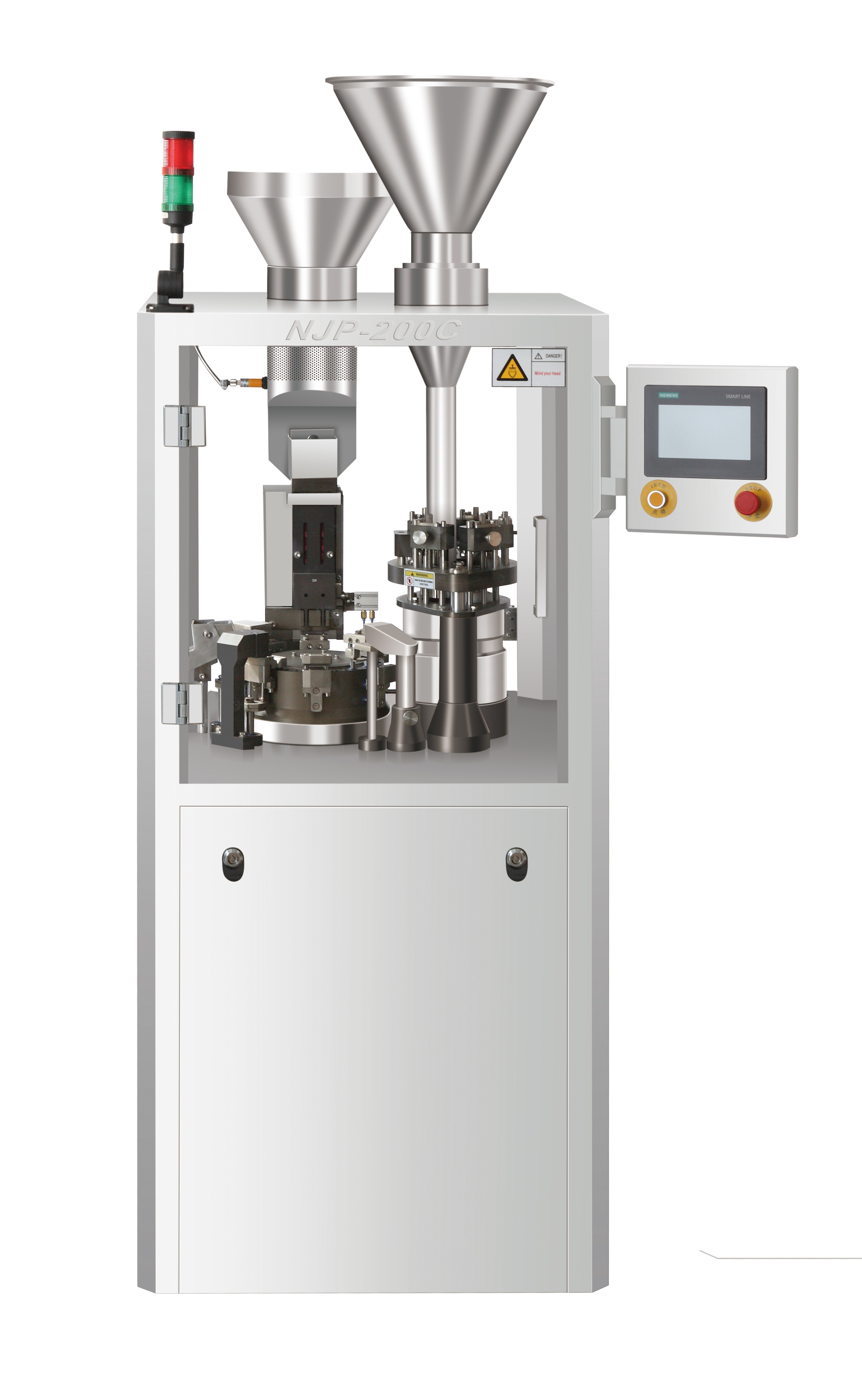
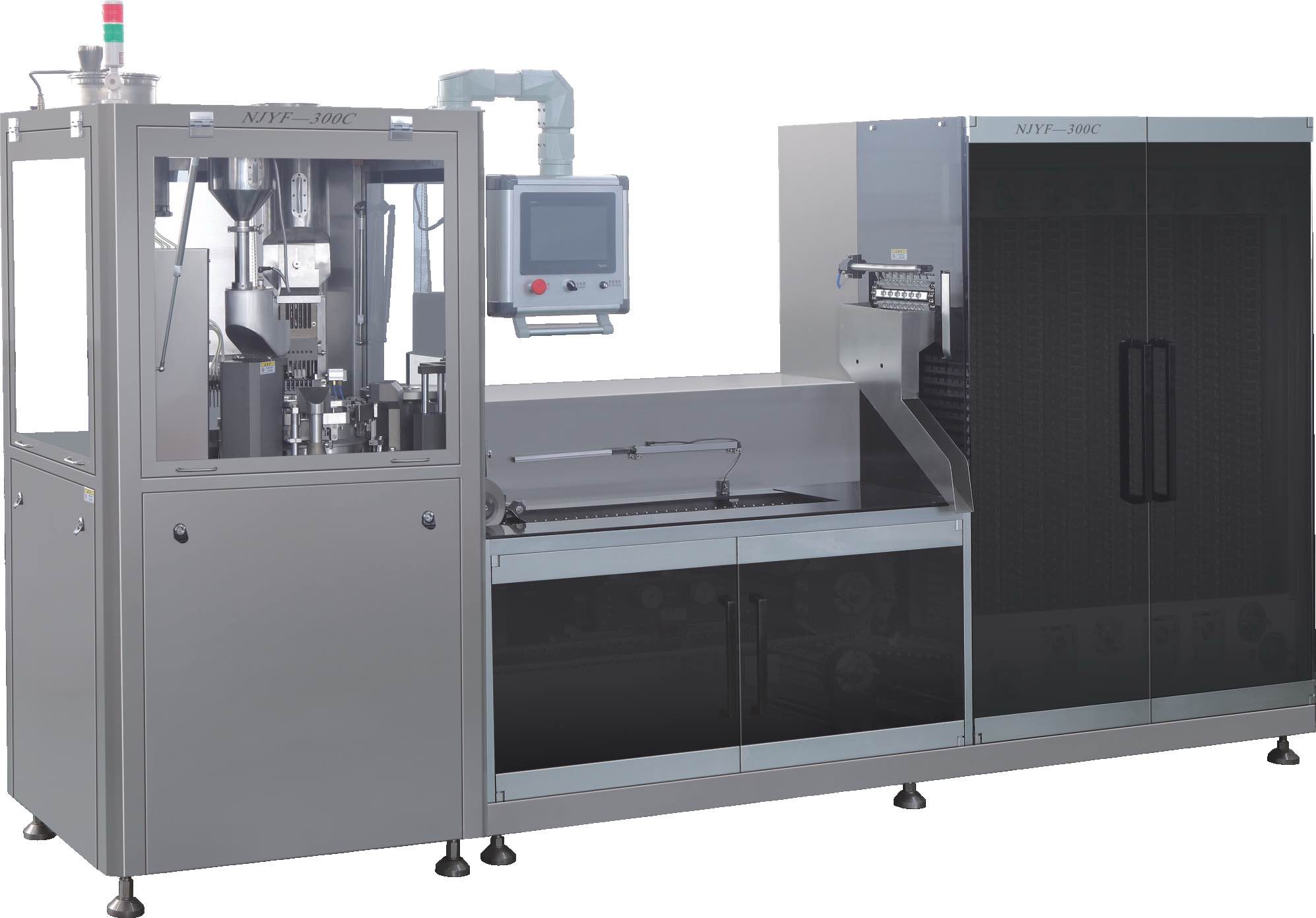
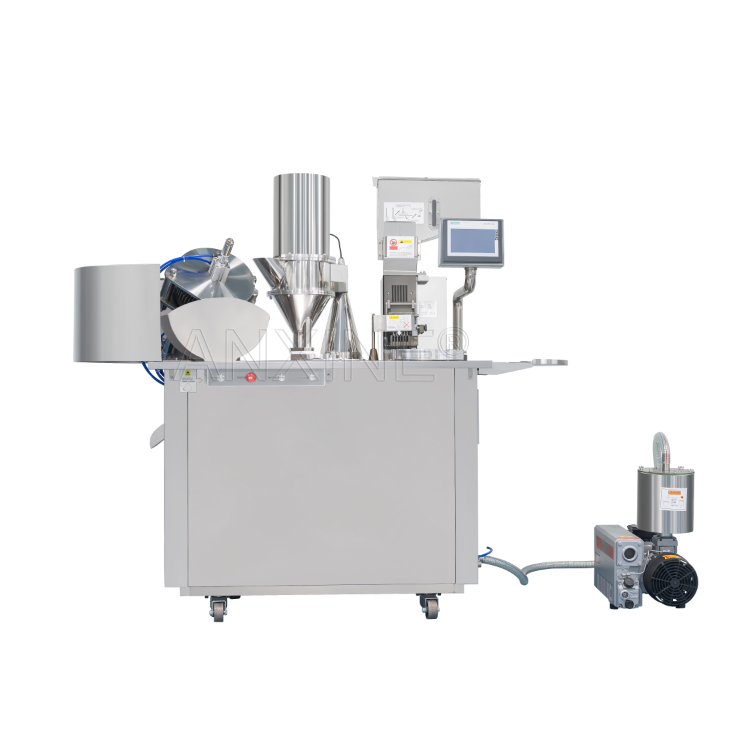
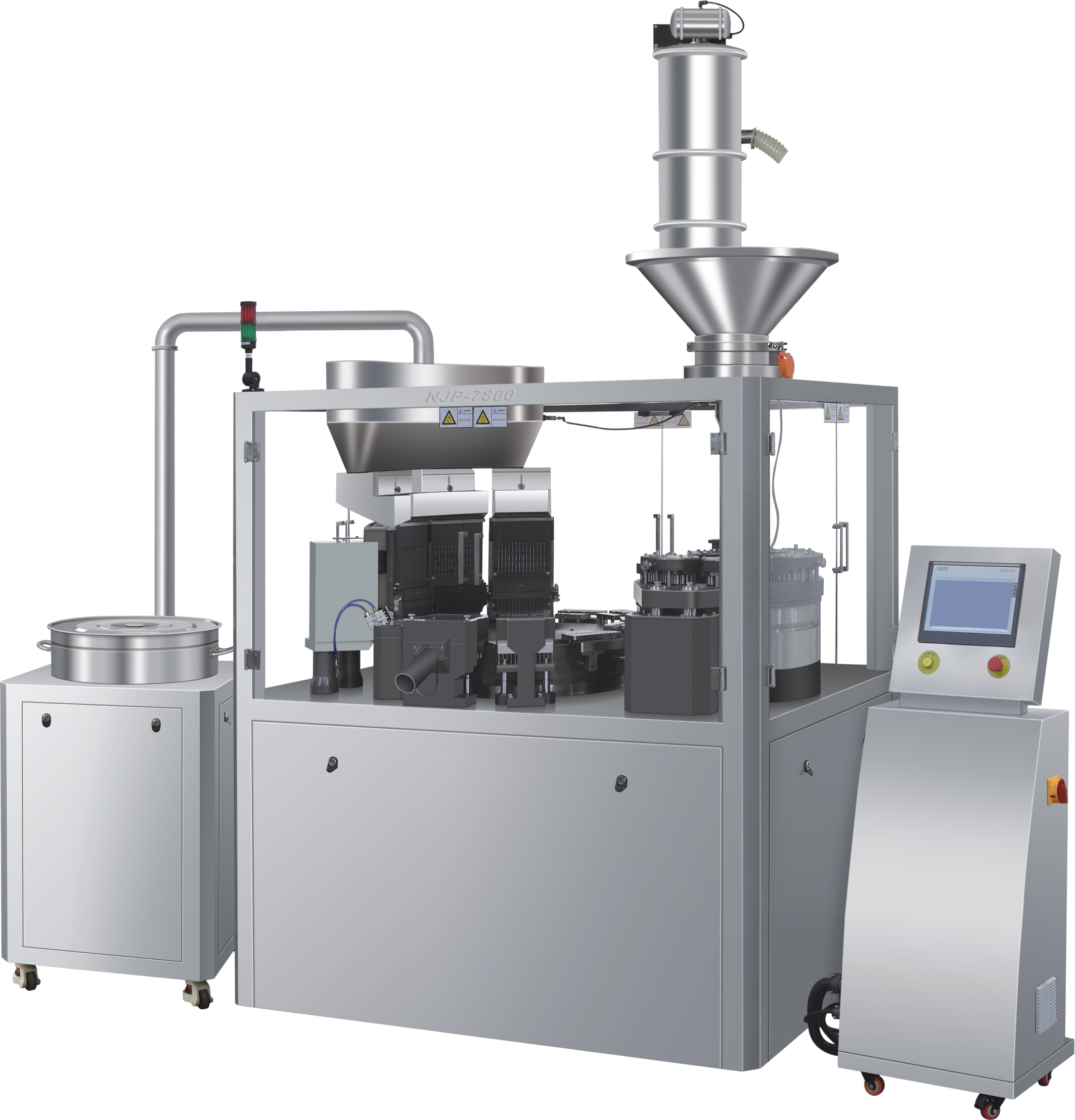
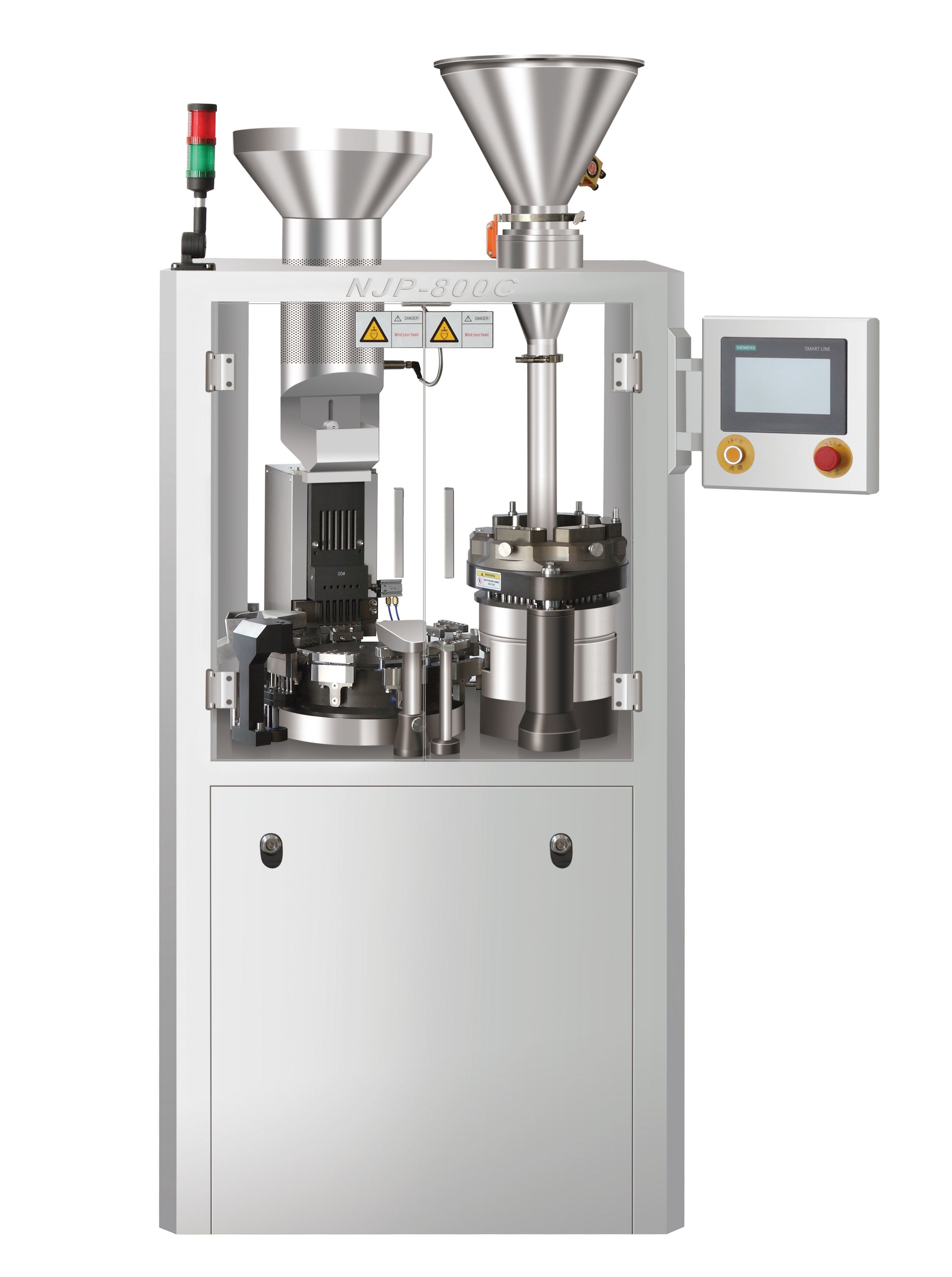
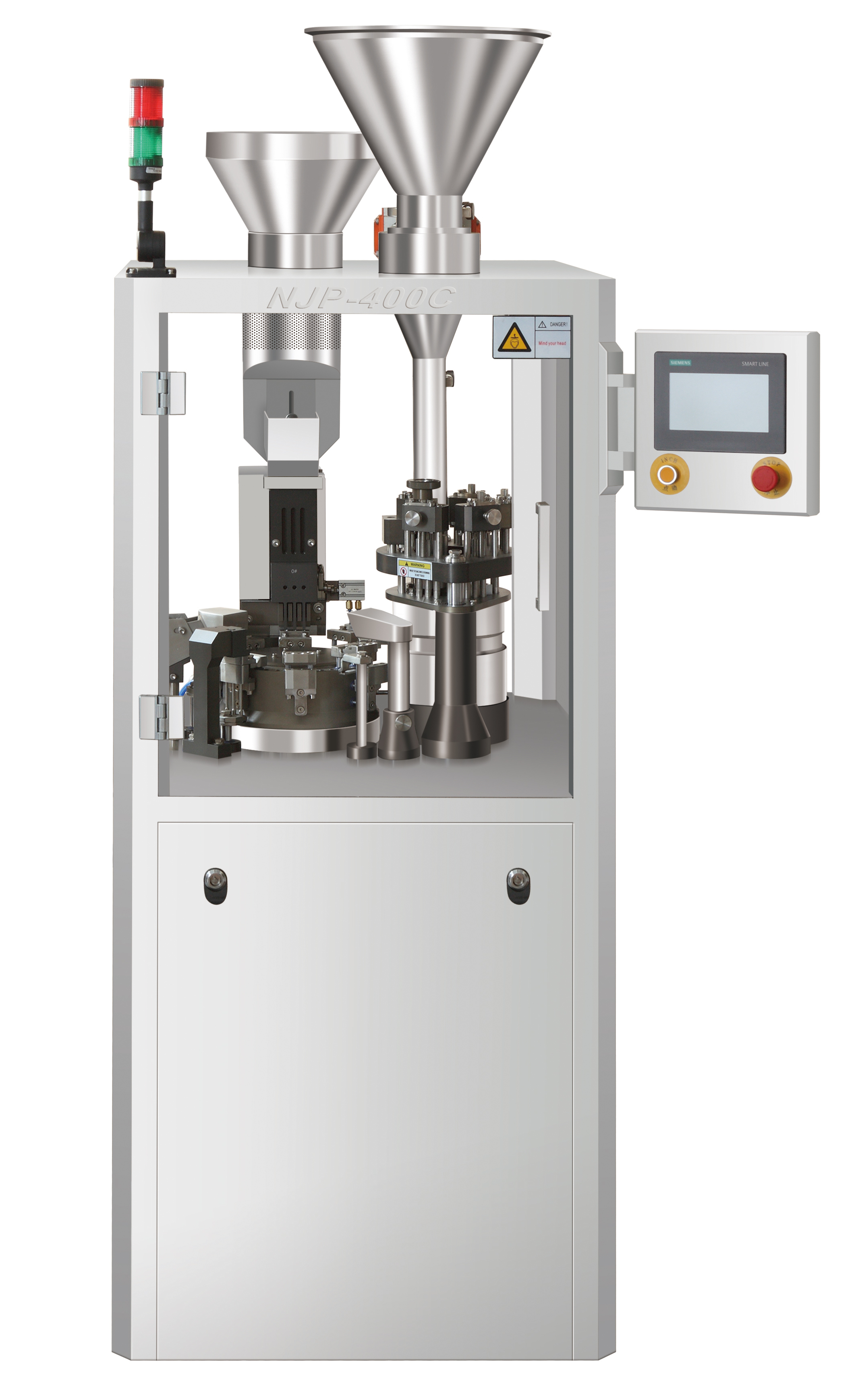
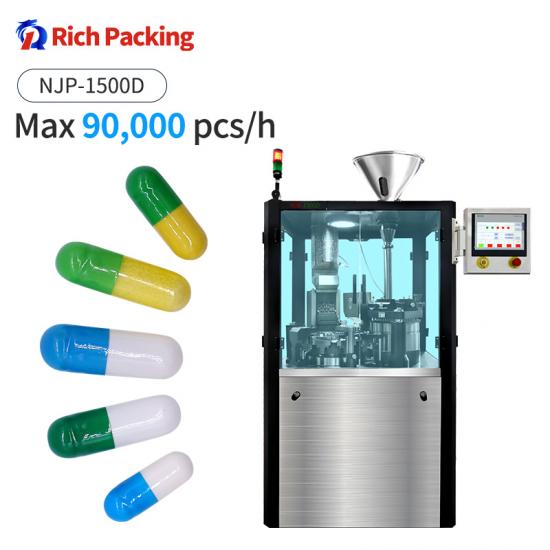
In today's increasingly prosperous era of the pharmaceutical industry, efficient and precise filling equipment has become an indispensable productivity tool for major pharmaceutical companies. NJP-1500D pharmaceutical capsule filling machine is an outstanding representative born under this background. This machine is not only an advanced model, but also leads a new standard in the capsule filling industry with its astonishing output of up to 90,000 capsules per hour.
AI Product Description
*The following content is generated by AI and is for reference only.
The NJP-1500D Pharmaceutical Capsule Filling Machine is a high-efficiency, automated tablet and capsule filling device widely utilized in the pharmaceutical industry for the precise dosing of powders, granules, pellets, and liquids into hard gelatin or HPMC capsules. Designed to meet strict Good Manufacturing Practice (GMP) standards, this equipment ensures consistent fill weight accuracy, which is critical for maintaining drug efficacy and patient safety. The machine typically features a modular design that allows for quick changeovers between different capsule sizes, minimizing downtime during production shifts. It integrates advanced servo motor controls to regulate feeding speed, dosing precision, and ejection mechanisms, ensuring smooth operation even at high production rates.
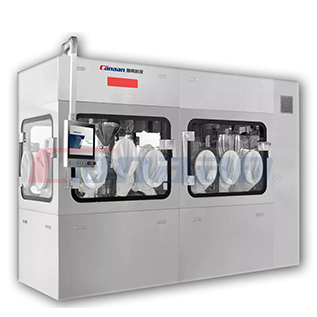
Key operational advantages include a fully enclosed working environment that prevents cross-contamination and protects sensitive materials from external pollutants. The system often incorporates real-time monitoring sensors to detect missing capsules or filling errors immediately, triggering automatic alarms or stoppages to prevent waste. Additionally, many models are equipped with data logging capabilities to facilitate compliance with regulatory requirements regarding batch traceability and quality control documentation.
When operating such machinery, several precautions must be observed to ensure both personnel safety and product integrity. Operators should always wear appropriate personal protective equipment and ensure all safety guards are securely in place before启动 the machine. Regular cleaning and sterilization of contact parts are essential to prevent microbial contamination, especially when switching between different formulations. Maintenance protocols must strictly follow manufacturer guidelines, including periodic calibration of weighing systems and inspection of sealing components. Furthermore, operators must verify that raw materials are properly conditioned regarding moisture content and flowability to avoid clogging or inconsistent filling. Proper training on emergency stop procedures and routine troubleshooting is mandatory for all staff. Adhering to these operational and maintenance standards guarantees optimal performance, extends equipment lifespan, and upholds the highest levels of pharmaceutical quality assurance.





 (All Rights Reserved)