Product Description
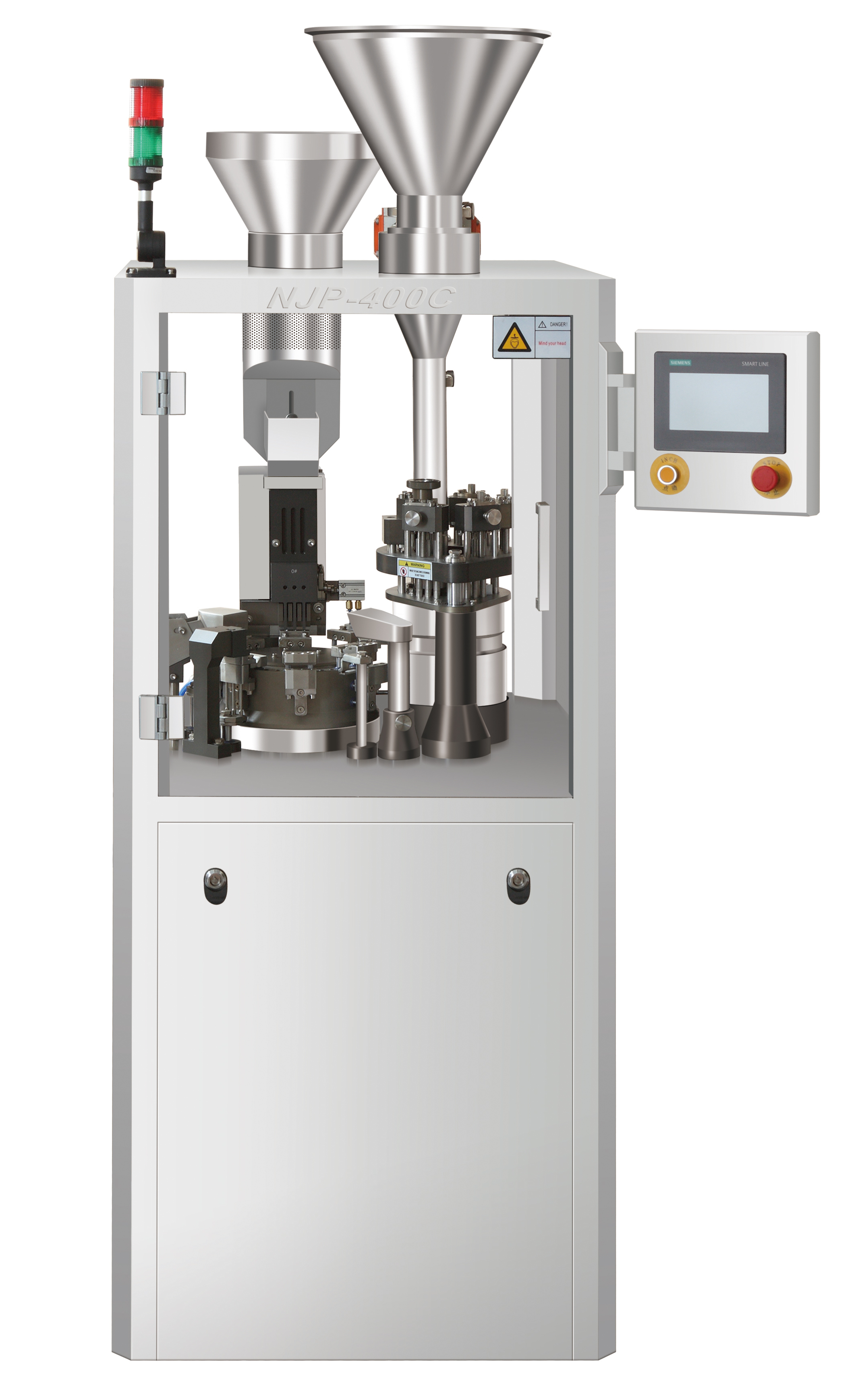
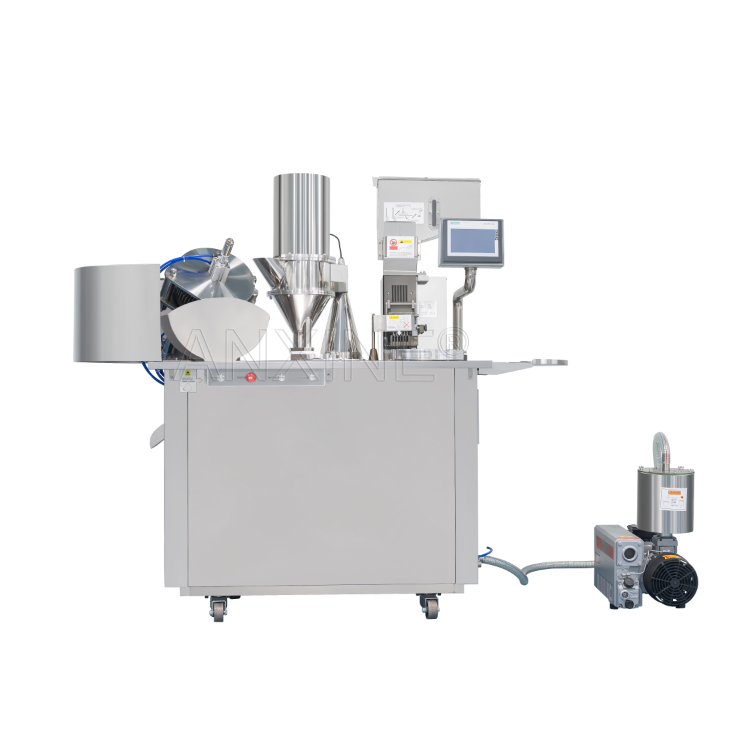
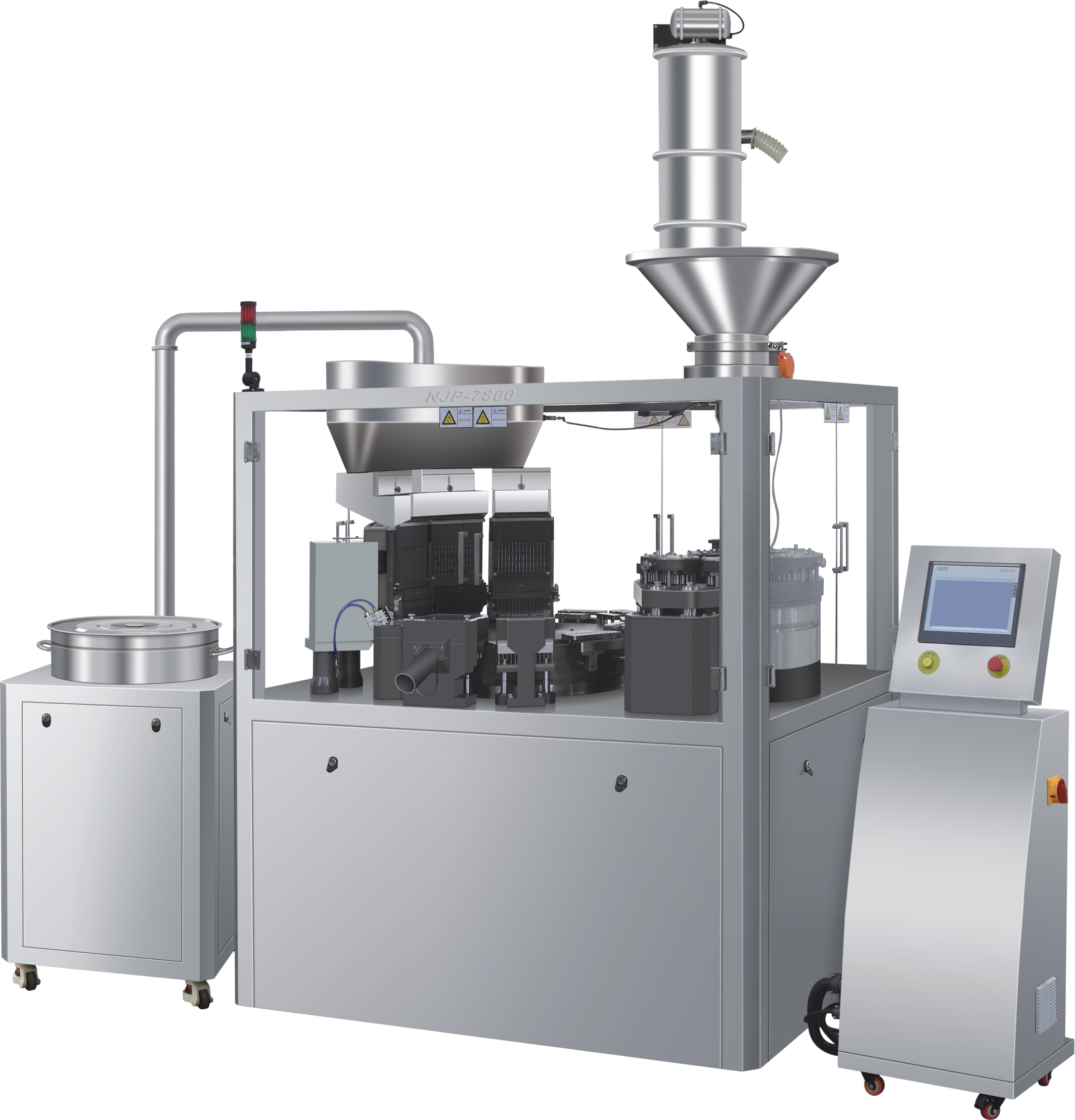
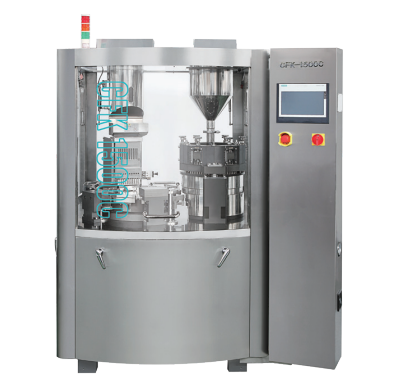
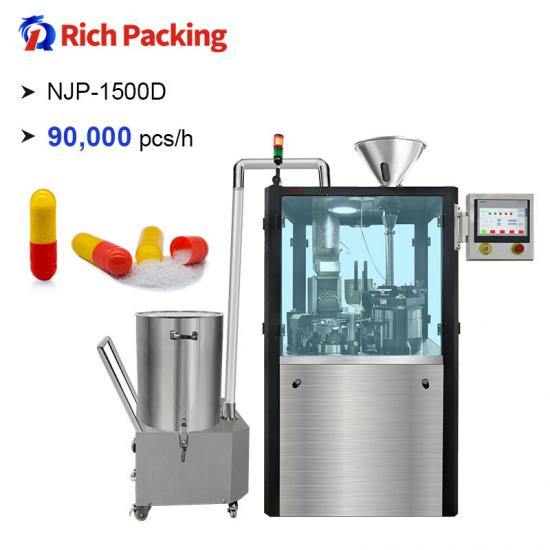
In order to meet the growing market demand, capsule filling machines must continue to innovate and improve efficiency. The NJP-1500D capsule filling machine has become a highlight of the pharmaceutical industry with its two invention patents and seven technological innovations, suitable for capsules from size 000 to size 5, and with an impressive output of up to 90,000 capsules per hour.
AI Product Description
*The following content is generated by AI and is for reference only.
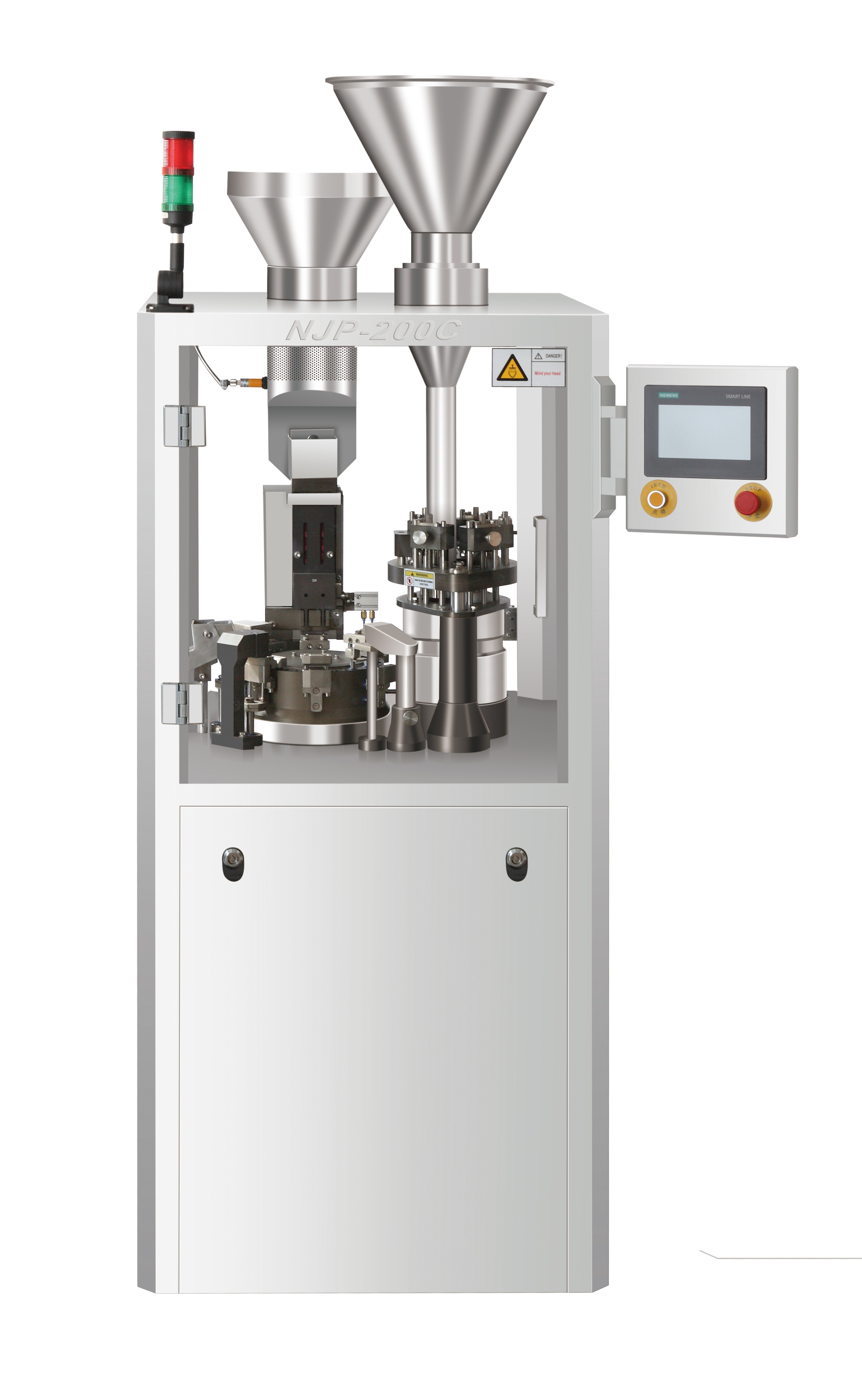
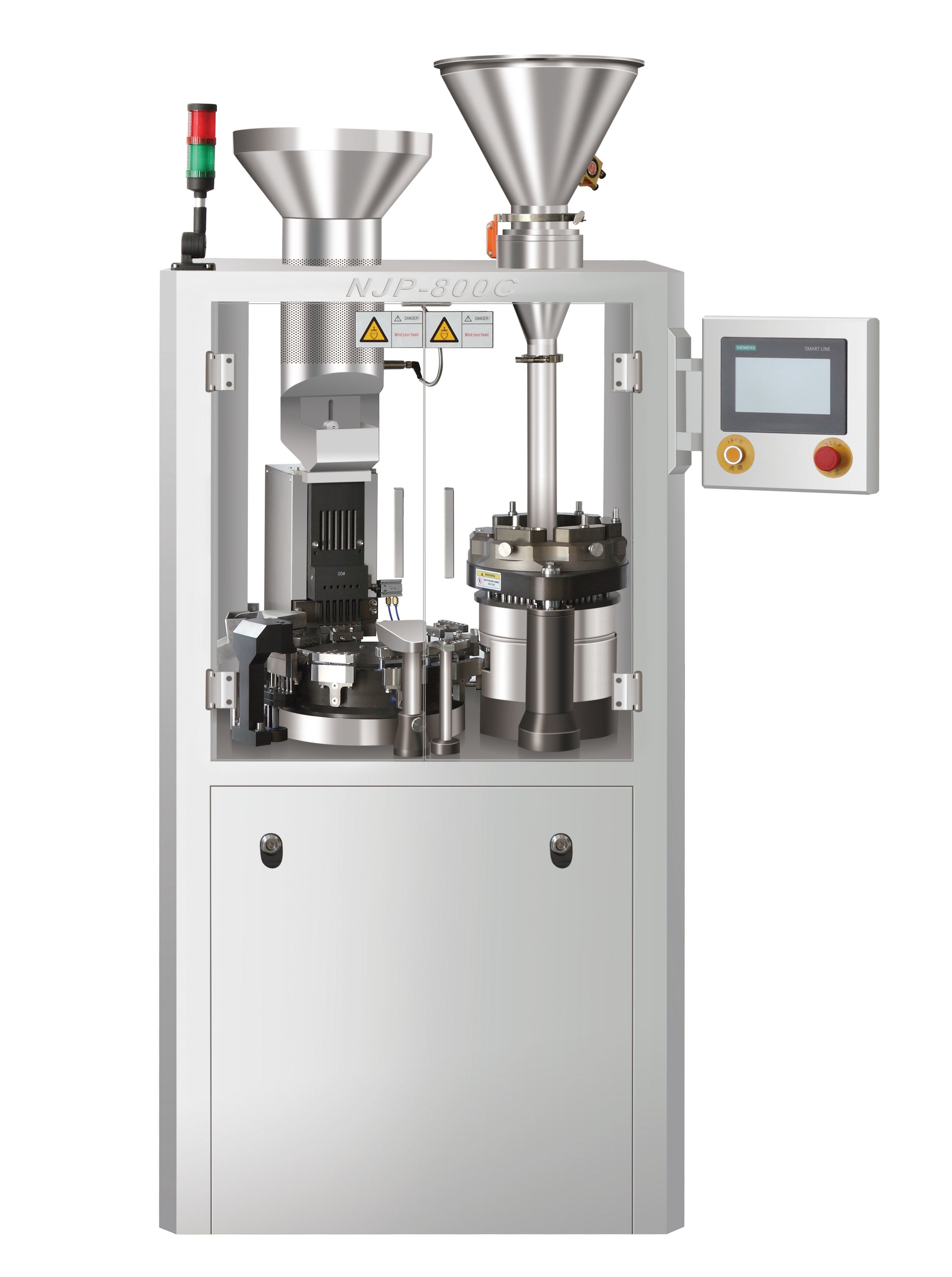
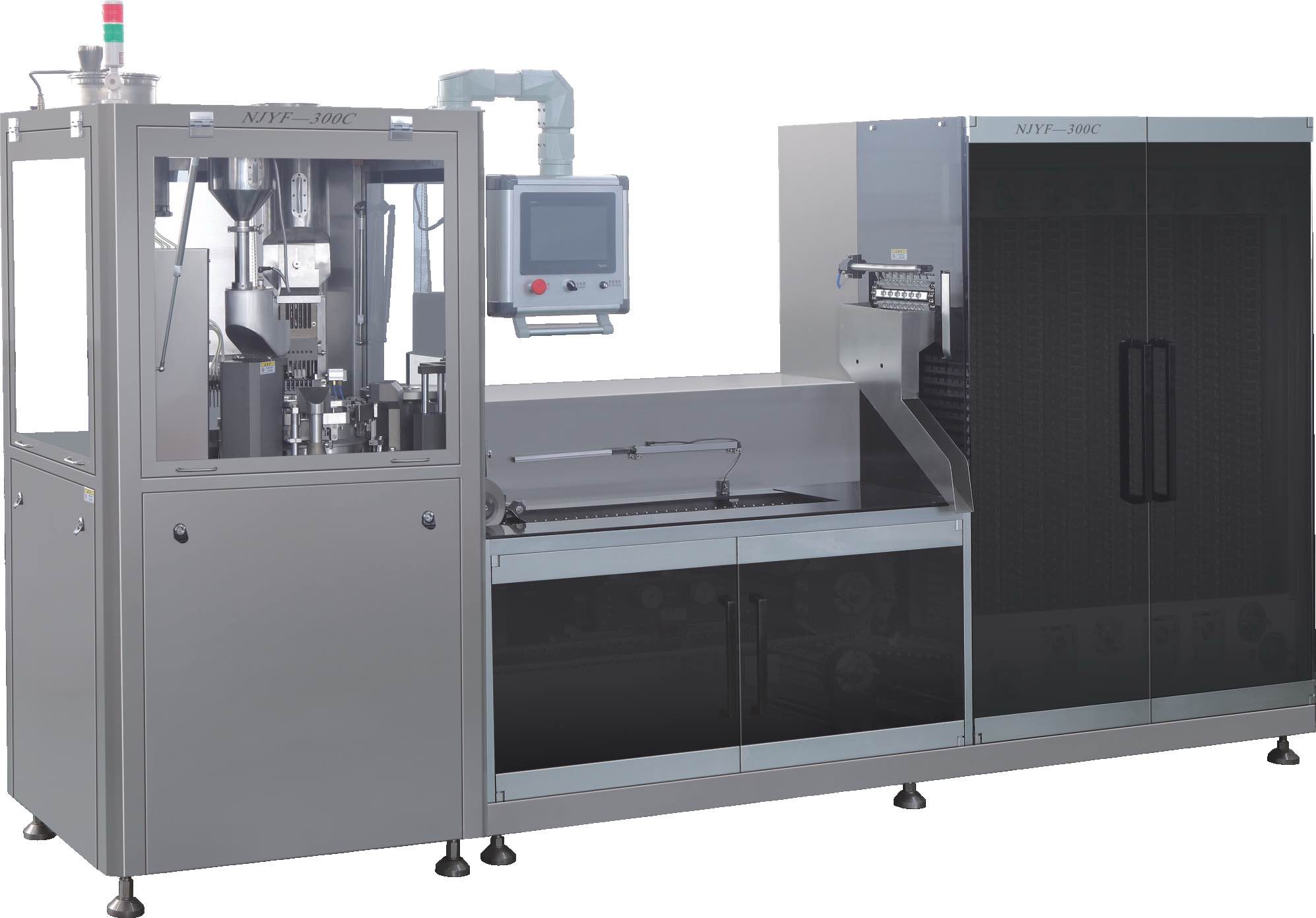
The NJP-1500D Capsule Filling Encapsulation Machine is a high-efficiency, fully automatic pharmaceutical device designed for the precise filling of hard gelatin or HPMC capsules. Widely utilized in laboratory settings, pilot production lines, and commercial manufacturing facilities, this equipment ensures consistent dosage accuracy while significantly reducing manual labor and material waste. Its primary function involves the automated separation, sorting, filling, locking, and polishing of capsule shells, accommodating various powder, granule, and pellet formulations.
Key operational features include a sophisticated servo-driven mechanism that guarantees uniform fill weight within tight tolerances, essential for meeting stringent regulatory standards such as GMP. The machine typically offers adjustable speed capabilities, allowing operators to optimize throughput based on specific production requirements without compromising quality. Advanced models often incorporate dust extraction systems and electronic monitoring to maintain a clean working environment and prevent cross-contamination. Furthermore, user-friendly interfaces enable quick changeovers between different capsule sizes and formula types, enhancing versatility for multi-product facilities.
Critical safety precautions must be observed during operation. Operators should ensure all safety guards are securely in place before启动 the machine to prevent mechanical injury. Regular cleaning and maintenance of the die plate, tamping pins, and sealing mechanisms are vital to prevent product buildup, which could lead to machine jams or inconsistent dosing. It is strictly prohibited to operate the unit with damaged components or when emergency stop functions are disabled. Additionally, personnel must be trained to handle raw materials properly, especially potent compounds requiring isolation protocols. Proper grounding and electrical inspections should be conducted routinely to avoid hazards. Adhering to these guidelines ensures not only operator safety but also the reliability and longevity of the encapsulation system, ultimately supporting the production of safe and effective medicinal products.





 (All Rights Reserved)