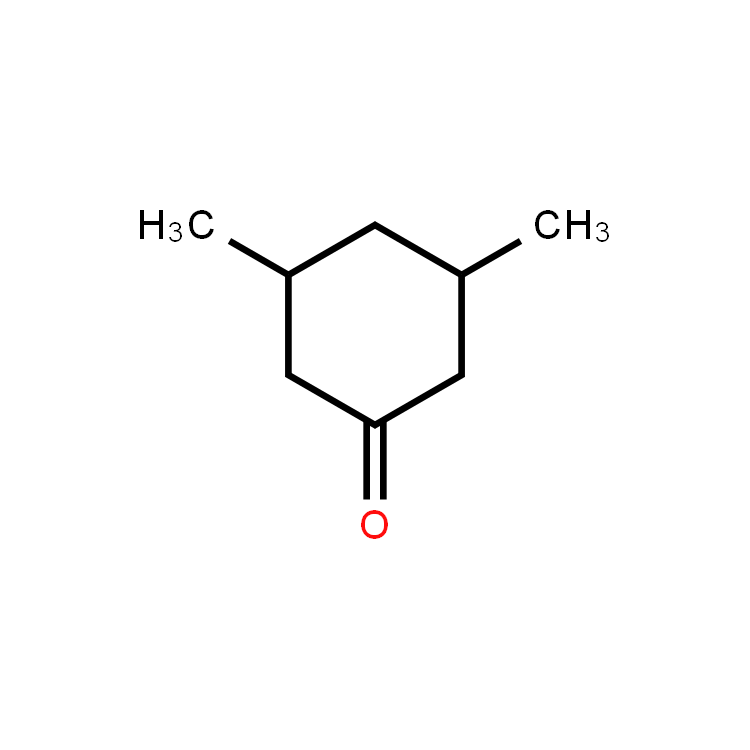
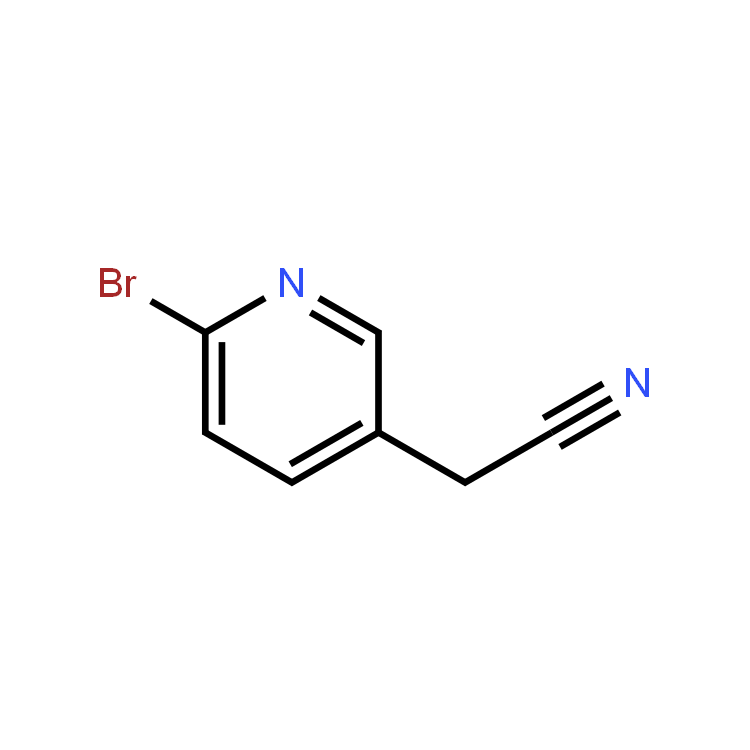
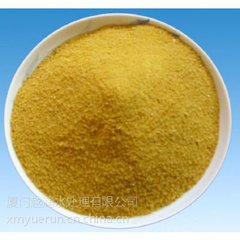
This product is a yellow crystalline powder;
Odourless.
This product in the dissolved in acetone, chloroform, dimethylformamide, slightly soluble in ether, slightly soluble in ethanol, insoluble in water, dissolve in sodium hydroxide solution, slightly soluble in glacial acetic acid.
*The following content is generated by AI and is for reference only.
Nitrate chlorophenol is a specialized chemical intermediate widely utilized in the fields of organic synthesis, agrochemical production, and pharmaceutical manufacturing. While specific derivatives may vary, this class of compounds generally refers to chlorinated phenolic structures that have been nitrated or are used as precursors for such transformations. The presence of both nitro and chloro functional groups on the phenolic ring significantly alters the electronic properties and reactivity of the molecule, making it highly valuable for constructing complex heterocyclic systems and bioactive agents.
The primary application of nitrate chlorophenol lies in its role as a key building block for synthesizing high-performance herbicides and fungicides. These agrochemicals are essential for modern agriculture, helping to protect crops from pests and diseases while ensuring food security. Furthermore, due to their unique structural characteristics, these intermediates are frequently employed in the development of advanced dye formulations and specialty polymers. In the pharmaceutical sector, they serve as critical starting materials for the creation of various therapeutic drugs, including antibiotics and anti-inflammatory agents, where precise molecular architecture is paramount for biological efficacy.
Safety protocols are strictly observed during the handling and storage of nitrate chlorophenol products. As with many nitro-organic compounds, they can be sensitive to heat, shock, and friction, requiring careful management to prevent accidental decomposition or combustion. Proper personal protective equipment (PPE) is mandatory when working with these substances to avoid skin contact and inhalation of vapors. Regulatory compliance is also a significant factor, as environmental agencies often impose strict guidelines regarding the discharge and disposal of nitrophenolic compounds to mitigate ecological impact.
In summary, nitrate chlorophenol represents a versatile and indispensable component in the global chemical supply chain. Its ability to facilitate the synthesis of diverse high-value products across multiple industries underscores its importance in industrial chemistry. Continued research into safer synthesis methods and more efficient applications ensures that this compound will remain a cornerstone of innovation in material science and agricultural technology.





 (All Rights Reserved)


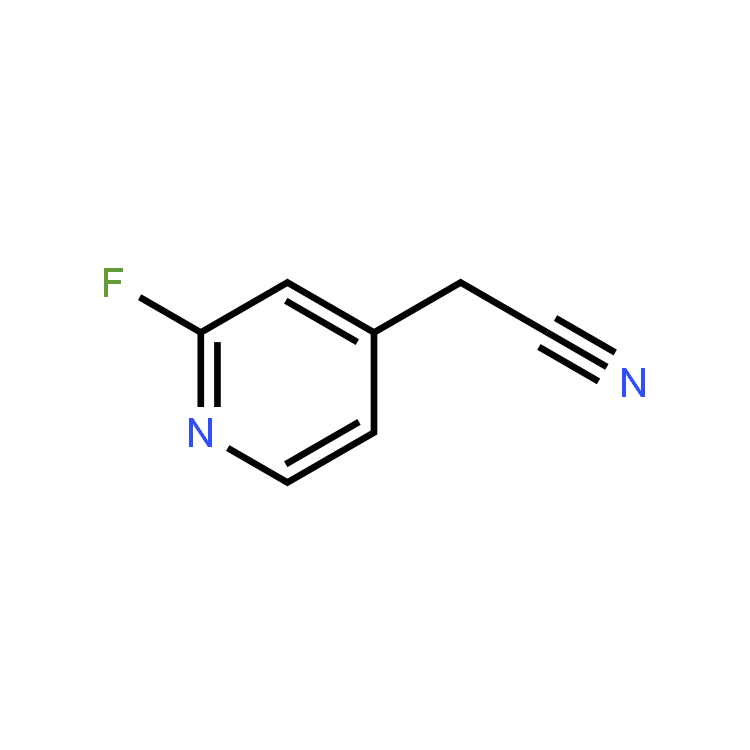
![6,8-Dioxo-5,7-diazaspiro[3.4]octane-2-carboxylic acid](https://eimg.pharmasources.com/image/product/20250403/02effeb5a7639bc84ff1f3add3c0c64fjpg)
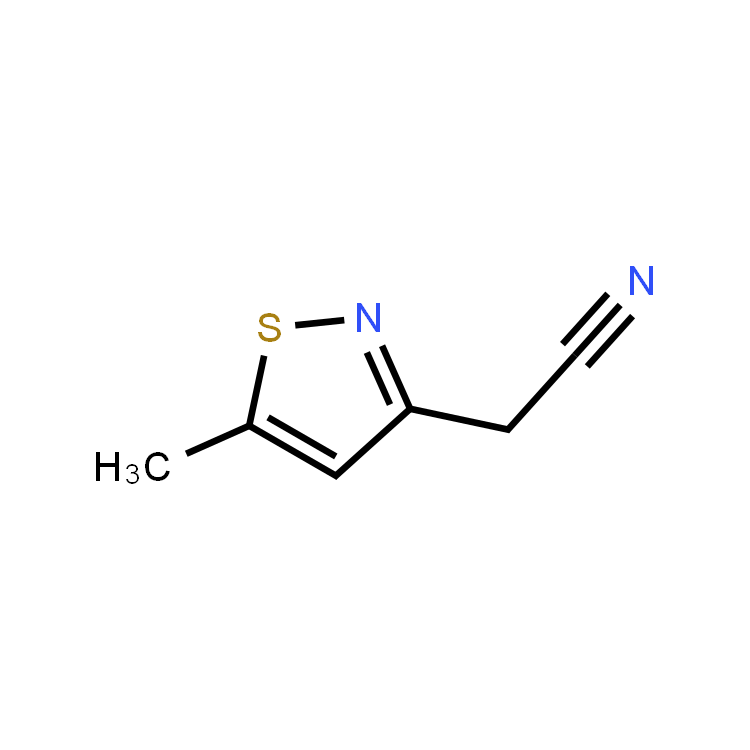
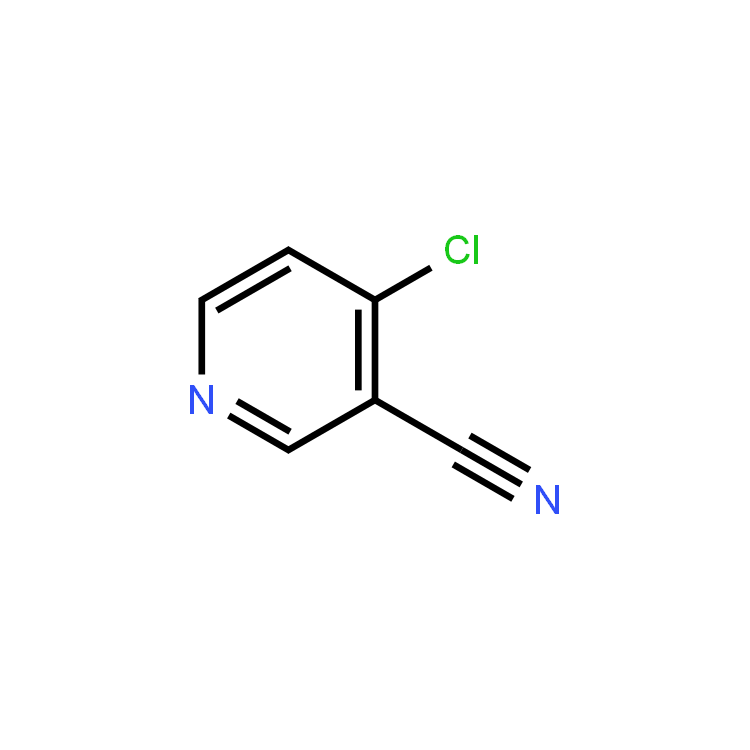
![8-Oxa-1,3-diazaspiro[4.5]decane-2,4-dione](https://eimg.pharmasources.com/image/product/20250403/60fa7223d5a34f24138486ceea0ffb15jpg)
![8,16-Diazadispiro[6.1.6.2]heptadecan-17-one](https://eimg.pharmasources.com/image/product/20250403/ca91cba8b87e53fc879f8d8764873a40jpg)