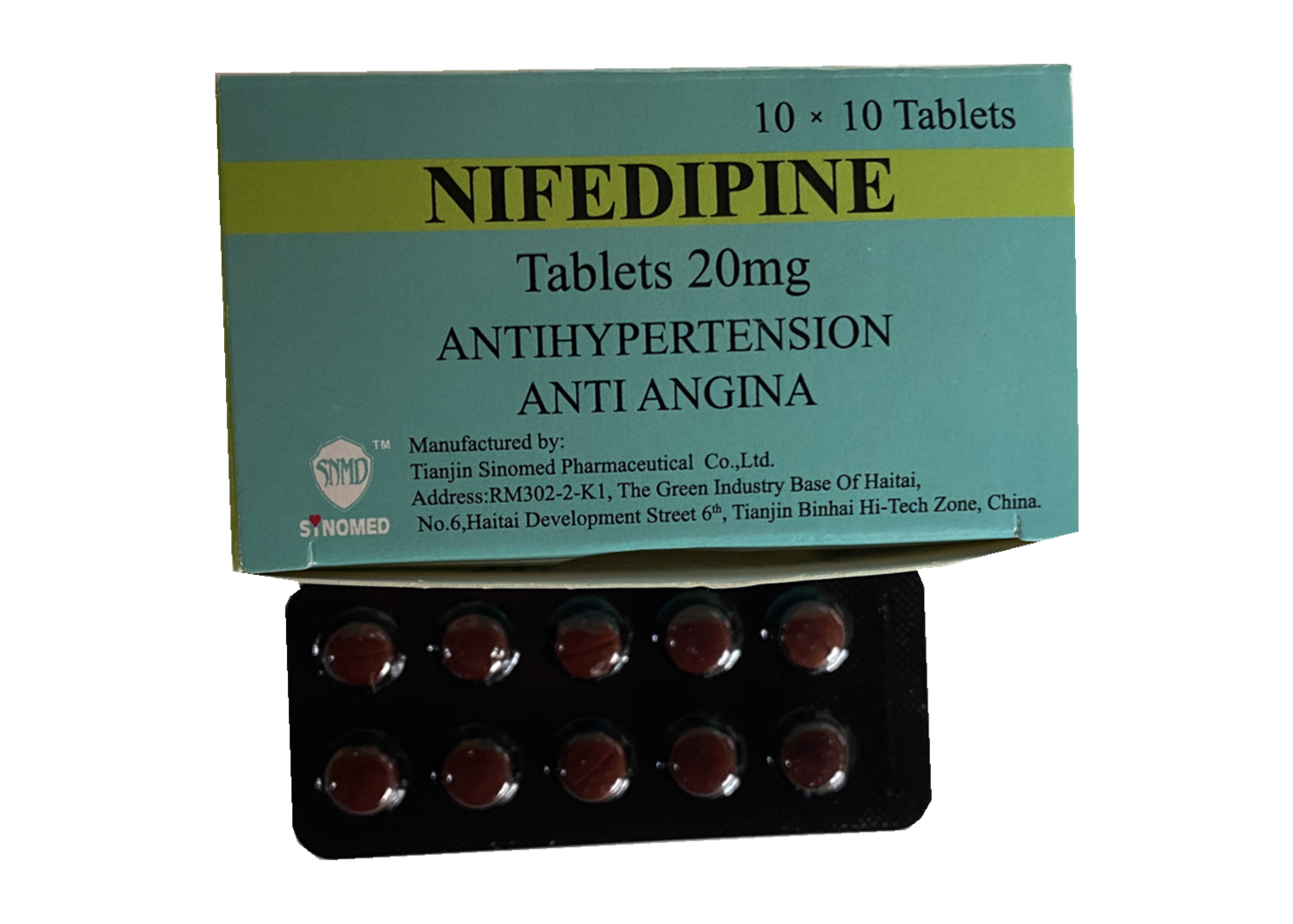
1.Product name: Nifedipine tablet
2.Specification: 20mg
3.Package: Box of 10blisters x 10tablets
4.Shelf life: 36 months
5.Registration documents are available.
If you are interested in our products,please feel free to contact us
*The following content is generated by AI and is for reference only.
Nifedipine tablets are a widely prescribed medication belonging to the class of drugs known as calcium channel blockers (CCBs). Primarily used in the management of cardiovascular conditions, this drug functions by relaxing the smooth muscles within blood vessels. By inhibiting the influx of calcium ions into vascular smooth muscle cells, nifedipine causes vasodilation, which effectively lowers systemic blood pressure and reduces the workload on the heart. Consequently, it is a first-line therapy for treating hypertension (high blood pressure) and preventing or managing chronic stable angina pectoris, a condition characterized by chest pain due to reduced blood flow to the heart muscle.
The therapeutic benefits extend beyond simple blood pressure control; by dilating coronary arteries, nifedipine improves oxygen supply to the heart, thereby alleviating angina symptoms and enhancing exercise tolerance. However, because it acts rapidly on vascular tone, immediate-release formulations are sometimes avoided in favor of extended-release versions to prevent sudden drops in blood pressure that could lead to dizziness or fainting.
Patients taking nifedipine must adhere to specific precautions to ensure safety and efficacy. A common side effect is peripheral edema, manifesting as swelling in the ankles or legs, caused by fluid retention in the lower extremities. Other frequent adverse reactions include flushing, headache, palpitations, and constipation. It is crucial for patients to avoid consuming grapefruit or grapefruit juice while on this medication, as compounds in the fruit can inhibit the metabolism of nifedipine, leading to dangerously high levels of the drug in the bloodstream. Furthermore, abrupt discontinuation of the medication should be avoided without medical supervision, as this may precipitate a rebound increase in blood pressure or worsening of angina. Individuals with severe aortic stenosis or those who have recently suffered a myocardial infarction require careful monitoring. Pregnant women and breastfeeding mothers should consult their healthcare providers before use, weighing potential risks against benefits. Regular follow-ups with a physician are essential to monitor blood pressure responses and adjust dosages appropriately. Always take this medication exactly as directed by a qualified healthcare professional to maximize therapeutic outcomes and minimize risks.





 (All Rights Reserved)