Product Description
Reference Standards &Impurity
AI Product Description
*The following content is generated by AI and is for reference only.
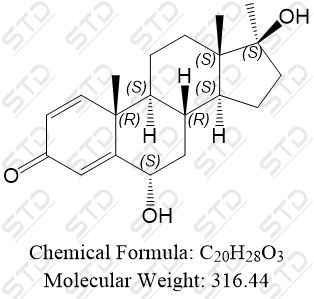
Nicergoline, chemically known as 1-[(2-methyl-3-benzimidazolyl)oxy]propyl]-4-piperidinol, is a semi-synthetic ergot derivative widely recognized for its potent vasodilatory and metabolic enhancing properties. With the CAS number 16057-98-8, this compound has been extensively utilized in clinical settings to manage cerebrovascular insufficiency and age-related cognitive decline. Its molecular formula is C₂₀H₂₆N₄O₂, reflecting a complex structure that allows it to interact effectively with specific adrenergic receptors while exhibiting mild dopamine agonist activity.
The primary therapeutic application of Nicergoline lies in its ability to improve cerebral blood flow by selectively dilating peripheral and cerebral arteries without significantly affecting systemic blood pressure. This mechanism makes it particularly valuable for treating symptoms associated with chronic brain dysfunction, such as memory loss, dizziness, tinnitus, and concentration difficulties often seen in elderly patients. Beyond hemodynamic effects, Nicergoline enhances glucose uptake and oxygen utilization in brain tissue, thereby supporting neuronal metabolism and protecting against ischemic damage. It is frequently prescribed in Europe and parts of Asia as an adjunct therapy for senile dementia and post-stroke recovery, aiming to restore cognitive function and quality of life.
Pharmacologically, the drug acts primarily through alpha-adrenergic blockade, which reduces vascular resistance and improves microcirculation. Unlike many other ergot derivatives, Nicergoline possesses a favorable safety profile with minimal risk of vasoconstriction or severe side effects when administered at therapeutic doses. Common adverse reactions are generally mild and may include gastrointestinal disturbances, skin rashes, or transient dizziness, though these occur infrequently. The medication is typically available in oral tablet form, facilitating convenient long-term administration for chronic conditions. While newer nootropic agents have emerged, Nicergoline remains a relevant option in geriatric medicine due to its dual action on circulation and cellular metabolism. Ongoing research continues to explore its potential neuroprotective roles in various neurodegenerative disorders, solidifying its place as a versatile agent in the management of cognitive impairment linked to vascular pathology.











 (All Rights Reserved)