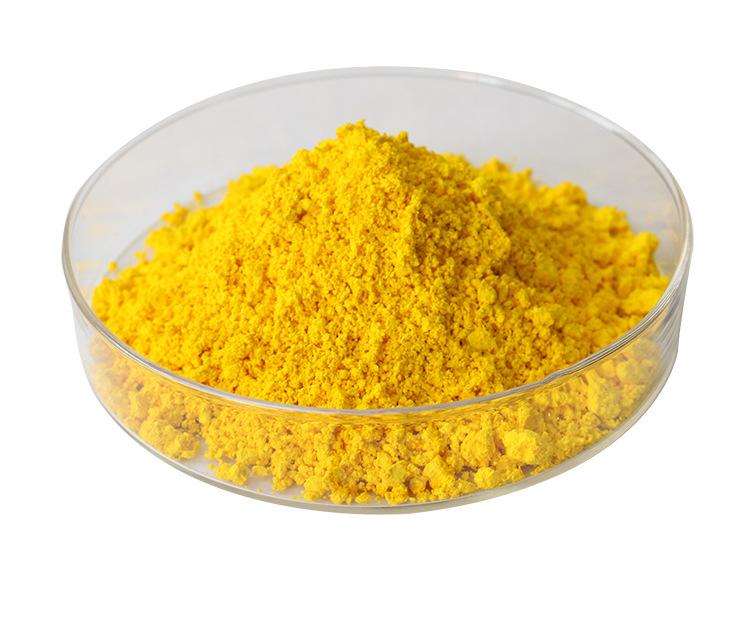
Nicarbazin is a coccidiostat used on meat chickens. It is also used as a contraceptive for population control of Canada geese and feral pigeons.
It is also a wide-spectrum anti-parasitic drug approved for veterinary use, effective on Toxocara canis, Toxascaris leonina, Ancylostoma caninum, Uncinaria stenocephala, Trichuris vulpis, Dipylidium caninum, and Taenia sp. and Mesocestoides sp.. Known brand names for specific countries include.
*The following content is generated by AI and is for reference only.
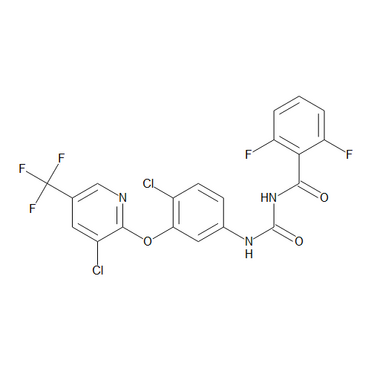
Nicarbazine, chemically known as 1,2-dimethyl-3-(4-nitrophenyl)triazole, is a specialized organic compound primarily utilized in the pharmaceutical and agrochemical sectors. With the CAS number 1987-05-1, this substance serves as a critical intermediate in the synthesis of various therapeutic agents and fungicides. Its molecular formula is C₁₀H₉N₅O₂, reflecting a structure composed of ten carbon atoms, nine hydrogen atoms, five nitrogen atoms, and two oxygen atoms. The molecule features a triazole ring substituted with methyl groups and a nitrophenyl moiety, contributing to its unique reactivity and stability profile under specific chemical conditions.
In the pharmaceutical industry, Nicarbazine acts as a key building block for developing antifungal and antibacterial medications. Researchers leverage its structural characteristics to optimize drug efficacy against resistant pathogens. The presence of the nitro group enhances its ability to interact with biological targets, making it valuable in medicinal chemistry research aimed at combating infectious diseases. Additionally, the compound finds applications in agricultural science, where it contributes to the formulation of advanced crop protection products. Farmers rely on such intermediates to produce fungicides that safeguard crops from fungal infections, thereby ensuring higher yields and food security.
Despite its utility, handling Nicarbazine requires strict adherence to safety protocols due to potential toxicity associated with nitro compounds. Proper personal protective equipment and ventilation systems are essential during synthesis and application processes. Regulatory bodies monitor its production and usage to minimize environmental impact and ensure public safety. Ongoing studies continue to explore novel applications for this versatile molecule, potentially expanding its role in materials science or catalysis. As research progresses, Nicarbazine remains a focal point for chemists seeking innovative solutions in health and agriculture. Its balanced combination of reactivity and stability positions it as an indispensable component in modern chemical manufacturing. Ultimately, the continued development of Nicarbazine-based technologies promises significant advancements in disease management and sustainable farming practices worldwide.



 (All Rights Reserved)