Product Description
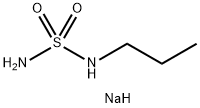
| Product Name: | N-Propylsulfuric diamide-sodium |
| Synonyms: | N-Propylsulfuric diamide-sodium;n-propylsulfamide sodium salt;Propylamino sulfonamide sodium salt;Macitentan Intermediate 2;sodium propylsulfamoylazanide;Sulfamide, N-propyl-, sodium salt (1:1);N-Propylsulfamide Sodium |
| CAS: | 1642873-03-7 |
| MF: | C3H11N2NaO2S |
| MW: | 162.18 |
| EINECS: | |
| Product Categories: | |
| Mol File: | 1642873-03-7.mol |
 |
| |
| N-Propylsulfuric diamide-sodium Chemical Properties |
| storage temp. | Inert atmosphere,Room Temperature |
AI Product Description
*The following content is generated by AI and is for reference only.
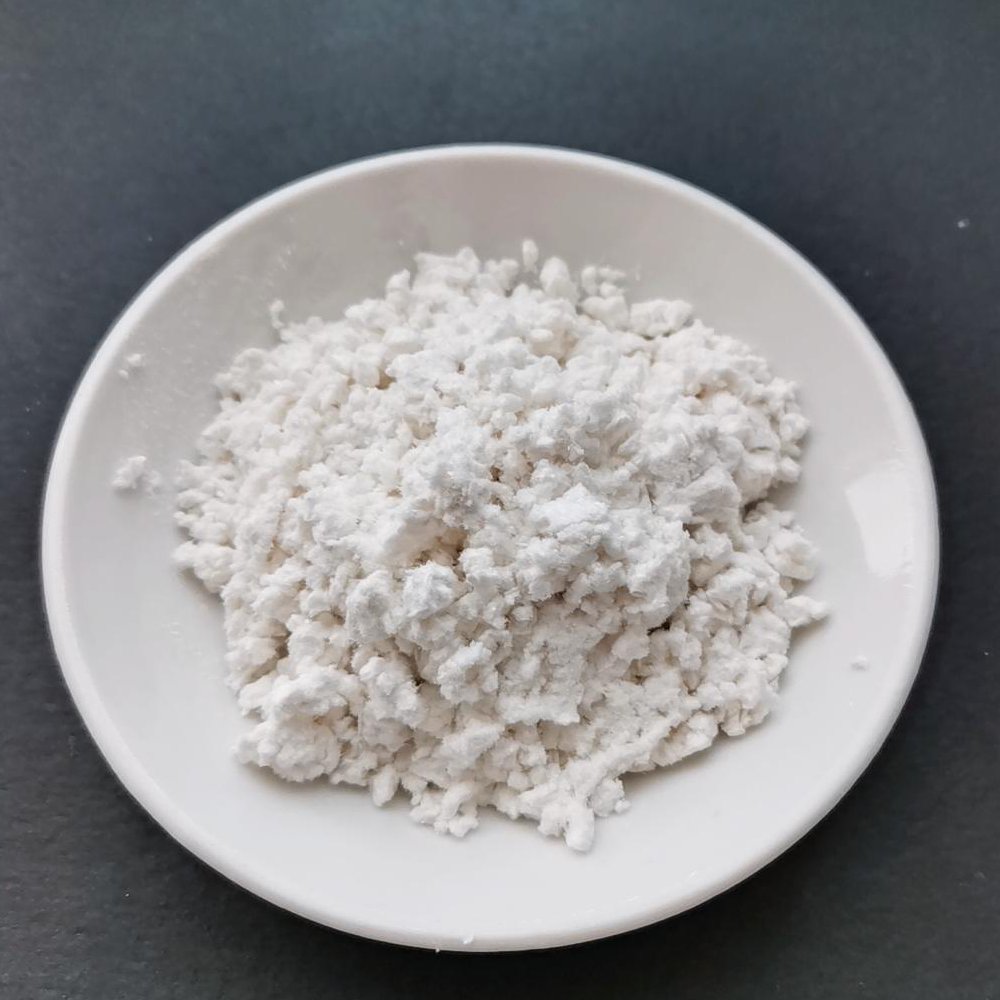
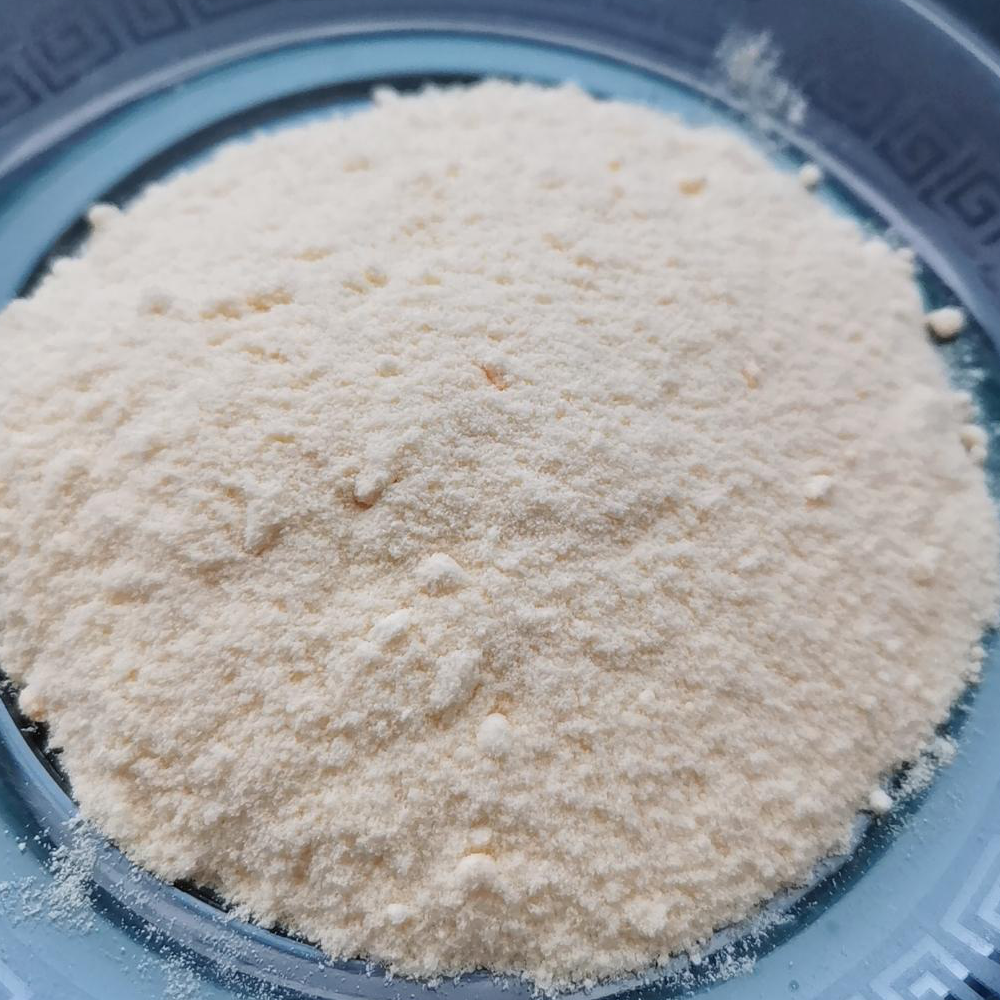
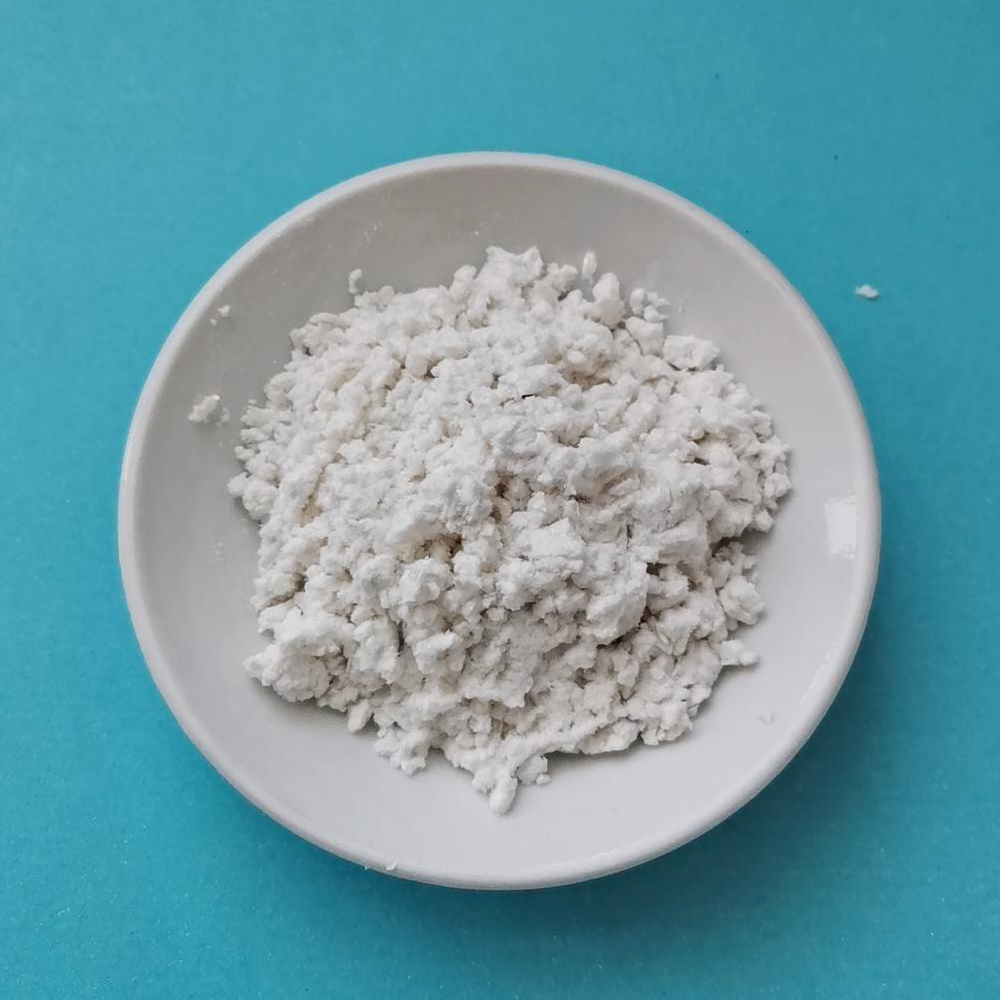
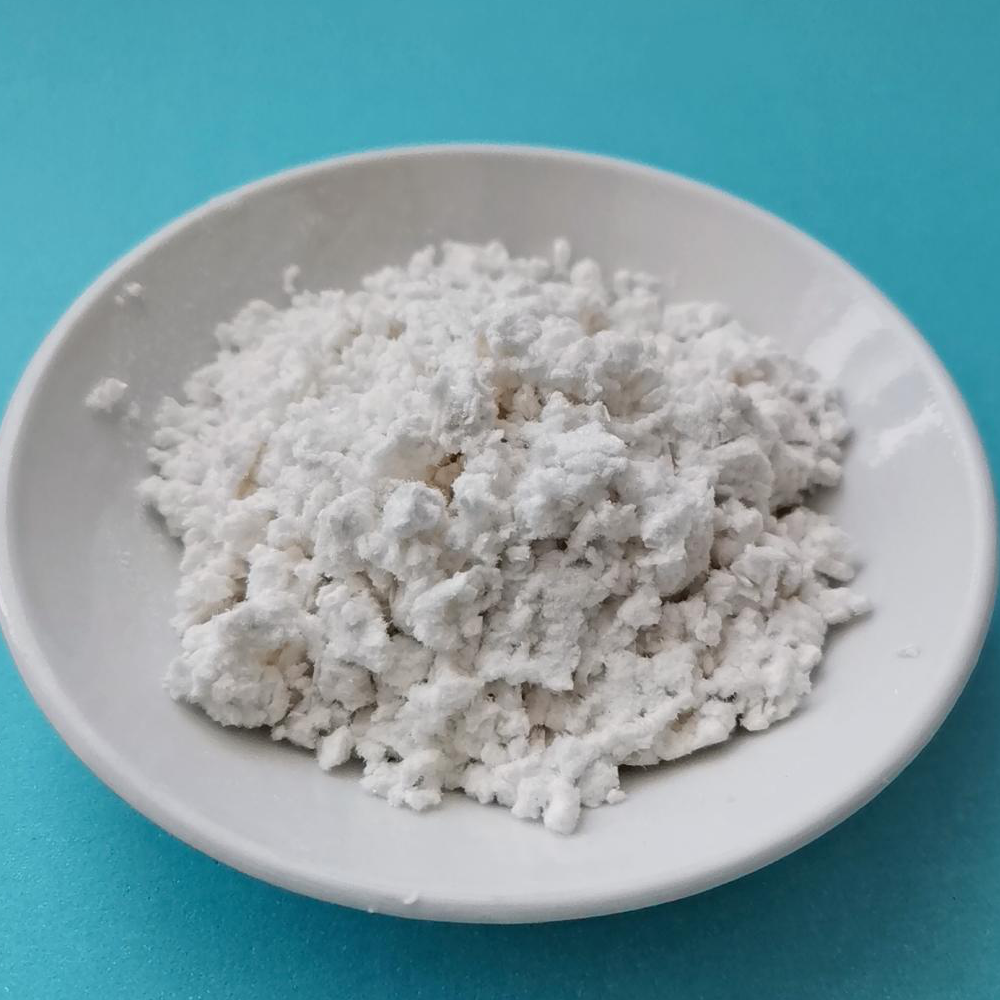
N-Propylsulfamide Sodium Salt is a specialized sodium salt derivative of N-propylsulfamide, widely utilized in organic synthesis and pharmaceutical research as a versatile sulfonamide reagent. With the molecular formula C3H9NNaO2S2 and a CAS registry number of 14785-66-3, this compound features a propyl group attached to the nitrogen atom of a sulfamide backbone, stabilized by a sodium counterion. The chemical structure typically presents as a white to off-white crystalline powder or solid, exhibiting high solubility in water and polar organic solvents due to its ionic nature, while remaining insoluble in non-polar hydrocarbons. Its stability under standard storage conditions makes it an ideal candidate for laboratory-scale applications requiring precise stoichiometric control.
In the realm of medicinal chemistry, N-Propylsulfamide Sodium Salt serves as a crucial building block for synthesizing complex heterocyclic compounds and bioactive molecules. Researchers frequently employ it as a nucleophilic source of the sulfamide moiety during condensation reactions, enabling the construction of sulfonamide-based scaffolds that are integral to many drug candidates targeting specific enzymatic pathways. These scaffolds often exhibit potent biological activities, including antimicrobial, anti-inflammatory, and anticancer properties, making the compound valuable in early-stage drug discovery pipelines. Furthermore, its utility extends to material science, where it acts as a precursor for functional polymers with unique thermal and mechanical characteristics. The sodium salt form enhances its reactivity compared to the free acid, facilitating smoother reaction kinetics in aqueous or mixed-solvent systems without the need for additional base activation steps. Safety protocols dictate handling with standard laboratory precautions, as it may cause irritation upon contact with skin or eyes, though it is generally considered stable when stored in a cool, dry environment away from strong oxidizers. As demand grows for novel sulfur-containing pharmaceutical agents, this reagent remains a staple in synthetic methodologies aimed at expanding the chemical diversity of modern therapeutics.





 (All Rights Reserved)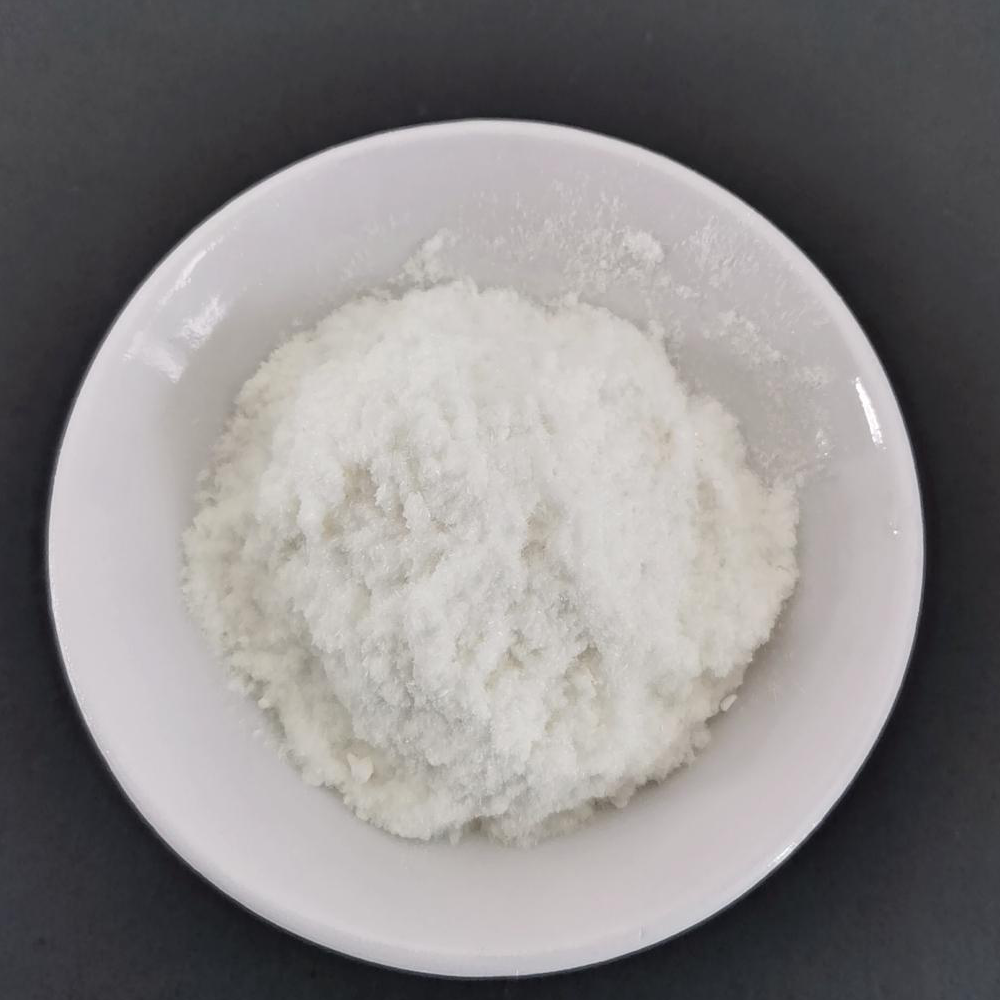
![1H-PYRROLO[2,3-B]PYRIDIN-5-OL](https://eimg.pharmasources.com/image/20230609/BTCgNUK1yA6dpzNh5Wh3b0xntl1mpPGfWp4ubQRs.png)
![Diethyl-2-acetamido-2-(7-chloro-5-(2-fluorophenyl)-3H- benzo[e][1,4]diazepin-2-yl)malonate](https://eimg.pharmasources.com/image/20240603/kCK1tVKXvO7mdpLTBNii5x61NUulXBiqHBf6clcn.png)