Product Description
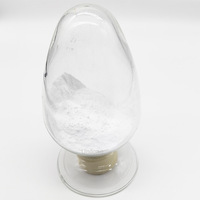
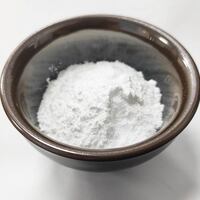
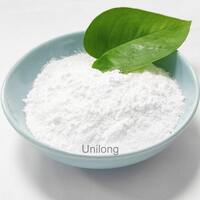
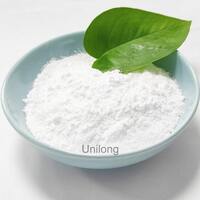
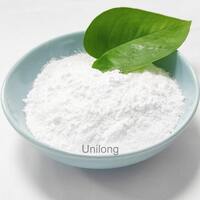
N-ME-DL-ALA-OH HCL CAS 600-21-5 is a white to white crystalline powder, which is a methylated derivative of arginine. It plays an important role in physiological regulation in organisms and can participate in the regulation of physiological processes such as nitric oxide synthesis.
AI Product Description
*The following content is generated by AI and is for reference only.
N-Me-DL-Ala-OH HCl, chemically known as N-Methyl-DL-Alanine Hydrochloride, is a versatile amino acid derivative widely utilized in pharmaceutical research and peptide synthesis. Its molecular formula is C4H10ClNO2, with a molecular weight of approximately 139.58 g/mol. The compound corresponds to CAS Registry Number 673-06-3, serving as a critical identifier for inventory management and regulatory compliance across global chemical markets. Structurally, this molecule represents the hydrochloride salt form of N-methylalanine, where the alpha-amino group of alanine is methylated, introducing steric hindrance that significantly enhances metabolic stability against proteolytic enzymes compared to its non-methylated counterpart.
This unique structural characteristic makes N-Me-DL-Ala-OH HCl an indispensable building block in the design of peptidomimetics and bioactive peptides. In medicinal chemistry, researchers frequently incorporate this residue into peptide backbones to improve oral bioavailability, increase resistance to enzymatic degradation, and modulate conformational flexibility. It is particularly valuable in the development of therapeutic agents targeting oncology, infectious diseases, and neurological disorders. By substituting standard alanine with its N-methylated variant, scientists can fine-tune the pharmacokinetic profiles of drug candidates without drastically altering their binding affinity to target receptors.
Furthermore, due to its racemic nature (DL-form), this compound offers a cost-effective solution for initial screening processes where stereochemical specificity is not yet defined. It serves as a precursor for synthesizing complex macrocyclic structures and cyclic peptides, which often exhibit superior biological activity. The hydrochloride salt form ensures high solubility in aqueous media, facilitating easier handling during laboratory procedures and formulation development. While primarily used in academic and industrial R&D settings, its role in accelerating the discovery of novel therapeutics remains pivotal. As the demand for stable, orally active peptide drugs grows, derivatives like N-Me-DL-Ala-OH HCl continue to play a fundamental role in advancing modern drug discovery pipelines, bridging the gap between small molecules and large biologic therapies.






 (All Rights Reserved)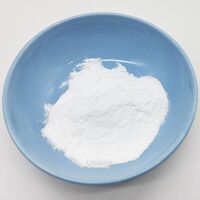
![5-Hydroxy-3,9-dimethyl-7H-benzo[c]fluoren-7-one](https://eimg.pharmasources.com/image/product/20250919/d01931f02fb1e7e8231c9933d73e3837jpg)
![3-Bromo-5-tert-butylbenzo[b]thiophene](https://eimg.pharmasources.com/image/product/20250919/742a9f6c2521018bdd155a4ef08a8873jpg)
![3-Iodo-5-tert-butylbenzo[b]thiophene](https://eimg.pharmasources.com/image/product/20250919/370cd976e4b82e45e310eab5fdf6b1f1jpg)


![Ethyl 5-methylbenzo[b]thiophene-2-carboxylate](https://eimg.pharmasources.com/image/product/20250919/bd4b4317408ace91b597157b395c106bjpg)