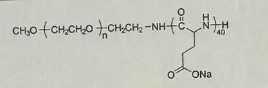
mPEG-P(Glu)₄₀(ethylamine) is a functionalized block copolymer composed of methoxy polyethylene glycol (mPEG), polyglutamic acid (P(Glu)), and ethylamine. Compared to ordinary mPEG-P(Glu)₄₀, it introduces an ethylamine group (-NH₂) at the end of the polyglutamic acid chain, thereby granting it additional functionalization capabilities.
*The following content is generated by AI and is for reference only.
mPEG-P(Glu)₄₀(ethylamine) is a sophisticated block copolymer widely utilized in advanced biomedical applications, particularly within the fields of drug delivery and tissue engineering. This molecule consists of three distinct functional components: methoxy polyethylene glycol (mPEG), a poly(glutamic acid) backbone with approximately forty glutamic acid residues, and terminal ethylamine groups. The chemical structure represents a carefully engineered amphiphilic architecture where the hydrophilic mPEG chain provides stealth properties to evade the immune system, while the poly(glutamic acid) segment offers a versatile platform for conjugating therapeutic agents through amide bond formation.
The primary utility of this polymer lies in its role as a smart carrier for anticancer drugs. By attaching cytotoxic molecules such as doxorubicin or paclitaxel to the glutamic acid side chains via pH-sensitive linkers, researchers can create prodrugs that remain stable in the bloodstream but release their payload specifically within the acidic microenvironment of tumor tissues. This targeted release mechanism significantly enhances therapeutic efficacy while minimizing systemic toxicity associated with conventional chemotherapy. Furthermore, the terminal ethylamine groups serve as crucial reactive sites for further bioconjugation, allowing scientists to attach targeting ligands like antibodies or peptides to direct the polymer precisely to cancer cells expressing specific surface markers.
In terms of physicochemical characteristics, mPEG-P(Glu)₄₀(ethylamine) exhibits excellent water solubility and biocompatibility, making it suitable for intravenous administration. The molecular weight is generally controlled during synthesis to ensure optimal circulation half-life and renal clearance profiles. While a specific CAS number is often not assigned to custom-synthesized polymers due to batch variability, this material is frequently cataloged under generic identifiers by specialized chemical suppliers. Its ability to form micelles at critical aggregation concentrations further facilitates the encapsulation of hydrophobic drugs, improving their bioavailability. As research in nanomedicine advances, derivatives of this copolymer continue to play a pivotal role in developing next-generation therapeutics that offer precision, safety, and improved patient outcomes in oncology and regenerative medicine.


![6-broMo-2-chloro-8-cyclopentyl-5-Methylpyrido[2,3-d]pyriMidin-7(8H)-one](https://eimg.pharmasources.com/image/20250617/4zoOybJjzUTk0UgguabMkX7VnrDIlxHluERwqkjK.jpg)




 (All Rights Reserved)