Biotin-PEG-DMG is a functionalized PEG lipid derivative that combines biotin, polyethylene glycol (PEG), and Dimyristoyl glycerol (DMG). It has important applications in nano-drug delivery systems, biocoupling, and targeted delivery.
*The following content is generated by AI and is for reference only.
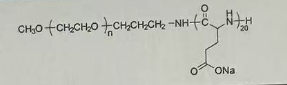
mPEG-P(Glu)₂₀ is a highly functionalized biocompatible block copolymer widely utilized in advanced drug delivery systems and nanomedicine. Composed of a methoxy polyethylene glycol (mPEG) chain linked to a poly(glutamic acid) backbone with approximately twenty glutamic acid residues, this conjugate offers a unique combination of solubility, stability, and biodegradability. While specific commercial suppliers may vary the exact molecular weight distribution or end-group modifications, the general chemical structure consists of an mPEG segment providing stealth properties and a polyglutamic acid segment serving as a versatile scaffold for bioconjugation.
The primary utility of mPEG-P(Glu)₂₀ lies in its ability to form stable micelles or nanoparticles when encapsulating hydrophobic therapeutic agents. The hydrophilic mPEG corona prevents rapid clearance by the reticuloendothelial system, thereby extending the circulation half-life of attached drugs in the bloodstream. Simultaneously, the polyglutamic acid core can be chemically modified to attach cytotoxic drugs, such as doxorubicin or paclitaxel, via cleavable linkers like hydrazones or peptides. This design facilitates targeted delivery to tumor sites through the enhanced permeability and retention (EPR) effect, minimizing systemic toxicity associated with conventional chemotherapy.
Regarding its identity, this product does not possess a single universal CAS number because it represents a class of polymers rather than a discrete small molecule; however, individual batches are often cataloged under specific manufacturer codes or derived from the parent polymer poly(L-glutamic acid). Its molecular formula varies depending on the precise degree of polymerization and the molecular weight of the PEG chain, typically ranging from 2,000 to 5,000 Daltons for the PEG portion. In research settings, mPEG-P(Glu)₂₀ is essential for developing next-generation therapeutics that require controlled release profiles and improved pharmacokinetic parameters. Its non-toxic nature and compatibility with biological environments make it a cornerstone material for clinical translation in oncology and regenerative medicine, enabling precise manipulation of drug biodistribution while ensuring patient safety.


![6-broMo-2-chloro-8-cyclopentyl-5-Methylpyrido[2,3-d]pyriMidin-7(8H)-one](https://eimg.pharmasources.com/image/20250617/4zoOybJjzUTk0UgguabMkX7VnrDIlxHluERwqkjK.jpg)




 (All Rights Reserved)