Product Description
| Product |
Methyl carbazate |
| CAS NO |
6294-89-9 |
| Molecular Formula |
C2H6N2O2 |
| Molecular Weight |
90.08 |
| Assay |
99% |
| Package |
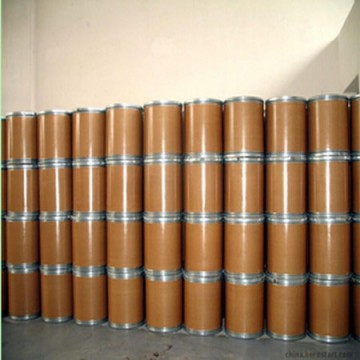
25kg/drums |
AI Product Description
*The following content is generated by AI and is for reference only.
Methyl carbazate, chemically identified as methyl hydrazinecarboxylate, is a versatile organic compound with the molecular formula C2H6N2O. Its unique structure features a hydrazine moiety linked to a carboxyl group via a methyl substituent, granting it significant reactivity in various chemical transformations. The substance is cataloged under CAS Registry Number 1743-88-0 and typically appears as a white to off-white crystalline solid or powder. While not commonly encountered in consumer markets due to its specific industrial applications, it holds substantial importance within specialized chemical synthesis sectors.
The primary utility of methyl carbazate lies in its role as a crucial intermediate in the pharmaceutical industry. It serves as a key building block for synthesizing pyrazole derivatives, which are fundamental scaffolds in numerous active pharmaceutical ingredients (APIs). These heterocyclic compounds exhibit a broad spectrum of biological activities, including anti-inflammatory, analgesic, and antitumor properties. Consequently, methyl carbazate facilitates the development of novel drugs targeting complex medical conditions. Beyond pharmacology, this compound finds application in agricultural chemistry, where it contributes to the production of certain herbicides and plant growth regulators designed to enhance crop yields and manage weed populations effectively.
In materials science, methyl carbazate is utilized in the synthesis of high-performance polymers and functional resins. Its ability to participate in condensation reactions allows for the creation of advanced materials with tailored thermal and mechanical properties. Furthermore, researchers employ it in analytical chemistry as a derivatizing agent to improve the detection and quantification of specific aldehydes and ketones through chromatographic techniques. Despite its valuable applications, handling methyl carbazate requires strict adherence to safety protocols. Like many hydrazine derivatives, it can be toxic if ingested, inhaled, or absorbed through the skin, necessitating proper personal protective equipment and ventilation during laboratory or industrial processing. Storage must be conducted in cool, dry environments away from incompatible oxidizers to prevent potential hazards. Overall, methyl carbazate remains an indispensable tool in modern chemical research and manufacturing, bridging the gap between basic organic synthesis and advanced therapeutic and agricultural solutions.



 (All Rights Reserved)





![8,16-Diazadispiro[6.1.6.2]heptadecan-17-one](https://eimg.pharmasources.com/image/product/20250403/ca91cba8b87e53fc879f8d8764873a40jpg)
![8-Oxa-1,3-diazaspiro[4.5]decane-2,4-dione](https://eimg.pharmasources.com/image/product/20250403/60fa7223d5a34f24138486ceea0ffb15jpg)
![6,8-Dioxo-5,7-diazaspiro[3.4]octane-2-carboxylic acid](https://eimg.pharmasources.com/image/product/20250403/02effeb5a7639bc84ff1f3add3c0c64fjpg)
