*The following content is generated by AI and is for reference only.
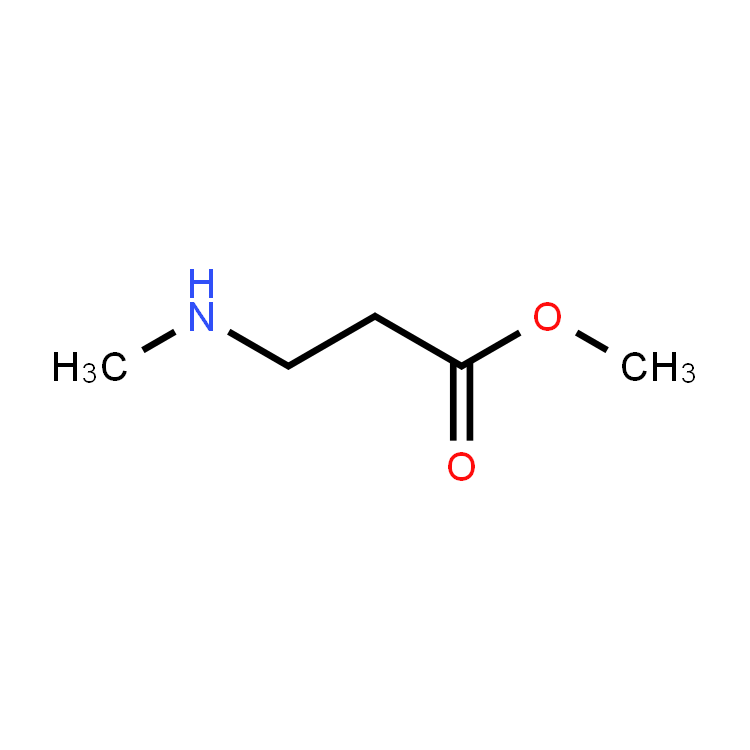
Methyl 3-(methylamino)propanoate is a specialized organic compound belonging to the class of amino acid esters, characterized by its unique structural arrangement combining a methyl ester group with a secondary amine functionality. With the molecular formula C5H11NO2 and a molecular weight of approximately 117.15 g/mol, this chemical features a three-carbon propanoate backbone substituted at the third position with a methylamino group. While specific CAS registry numbers for this exact nomenclature may vary slightly depending on salt forms or purity grades, it is often cataloged under identifiers associated with beta-amino acid derivatives used in fine chemical synthesis.
The primary utility of Methyl 3-(methylamino)propanoate lies in its role as a versatile intermediate within the pharmaceutical and agrochemical industries. Its dual functional groups—the nucleophilic amine and the electrophilic ester—facilitate diverse synthetic pathways, allowing chemists to construct complex heterocyclic scaffolds essential for drug development. Researchers frequently employ this compound to synthesize peptidomimetics, which are crucial for developing bioactive molecules that resist enzymatic degradation while maintaining high receptor affinity. Furthermore, it serves as a key building block in the production of advanced polymers and specialty resins where controlled reactivity is required.
In laboratory settings, this substance is valued for its solubility properties in common organic solvents, enabling efficient coupling reactions and subsequent transformations. The stability of the ester bond allows for selective hydrolysis when necessary, providing flexibility in multi-step synthesis protocols. Although not typically found in consumer products, its derivatives contribute significantly to the efficacy of modern therapeutic agents targeting neurological disorders and metabolic conditions. As the demand for precise molecular engineering grows, compounds like Methyl 3-(methylamino)propanoate remain indispensable tools for medicinal chemists striving to create next-generation treatments with improved pharmacokinetic profiles. Handling requires standard safety precautions due to potential irritancy, but its strategic importance in organic synthesis ensures its continued relevance in high-tech chemical manufacturing environments globally.