Product Name: Methyl 3-aminocrotonate
Synonyms: Methyl 3-amino-2-butenoate
CAS No.: 14205-39-1
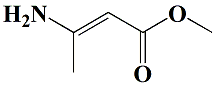
Structure: 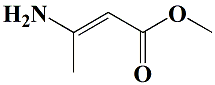
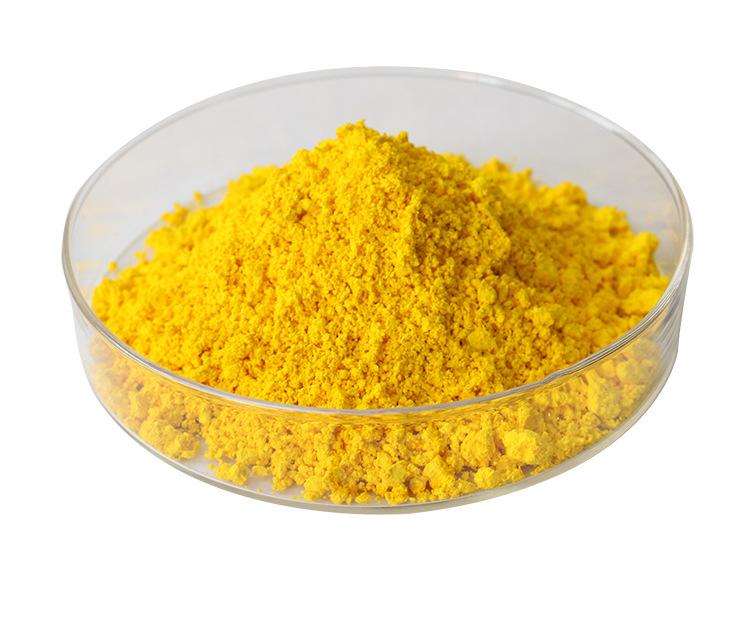
Appearance: White to off-white crystalline powder
Standard: Enterprise Standard
Purity: 99%
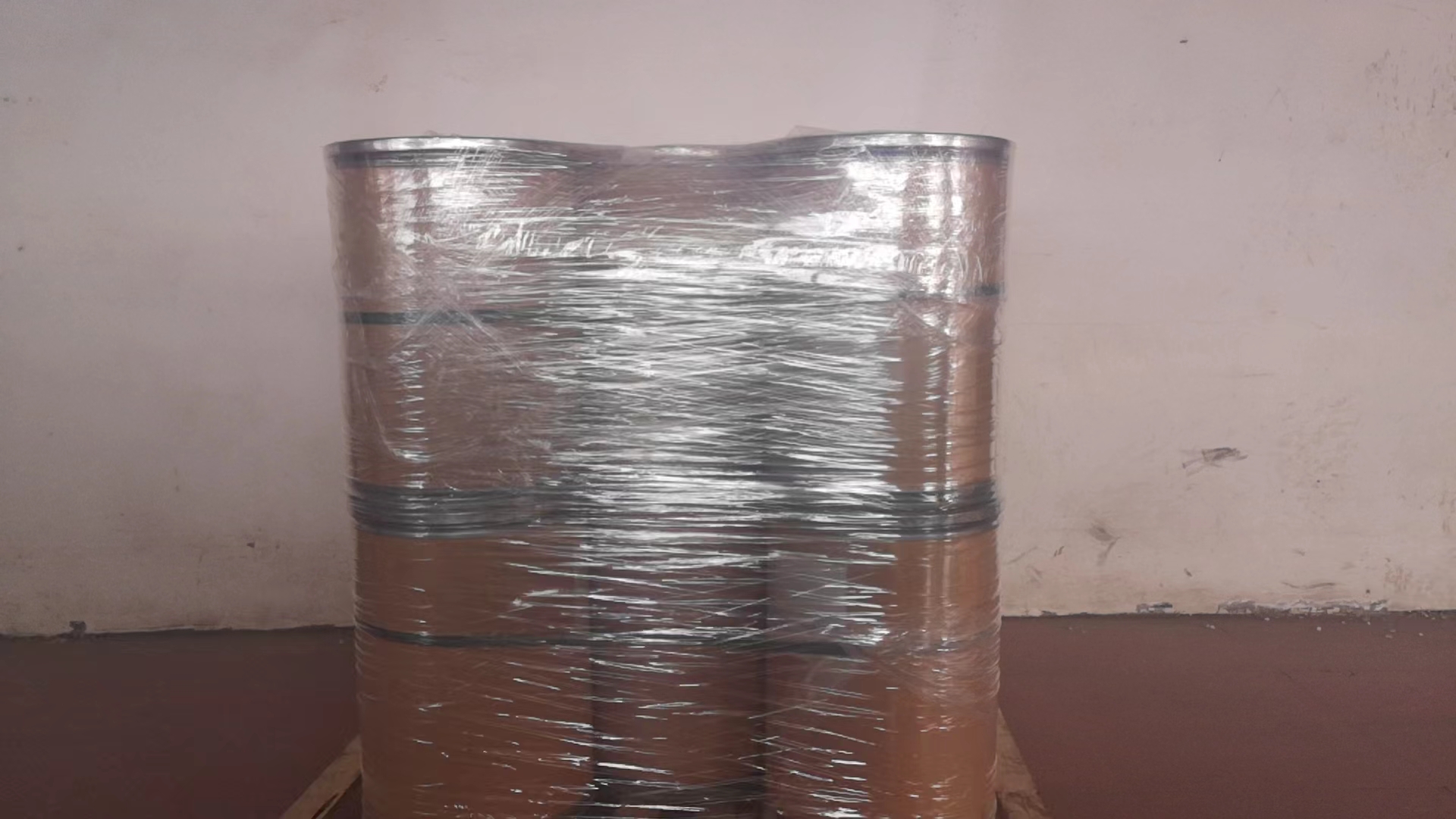
Package: 25kg/drum
*The following content is generated by AI and is for reference only.
Methyl 3-aminocrotonate, identified by the CAS Registry Number 14205-39-1, is a versatile organic compound widely utilized in the fields of medicinal chemistry and agrochemical synthesis. Its molecular formula is C5H9NO2, representing a methyl ester derivative of 3-aminocrotonic acid. Structurally, this molecule features a conjugated enamine system coupled with an ester functional group, endowing it with unique reactivity profiles that are highly valuable for synthetic chemists. The presence of both the amino and ester moieties allows it to serve as a critical building block for constructing complex heterocyclic frameworks.
In pharmaceutical research, Methyl 3-aminocrotonate is frequently employed as a precursor in the synthesis of pyridine derivatives and other nitrogen-containing heterocycles. These heterocyclic structures are fundamental components of numerous bioactive molecules, including potential antiviral agents, anticancer drugs, and anti-inflammatory compounds. The ability of this intermediate to undergo cyclization reactions makes it indispensable for rapid library generation during drug discovery processes. Furthermore, its stability under standard laboratory conditions facilitates easy handling and storage, which is essential for high-throughput screening applications.
Beyond the pharmaceutical sector, this compound finds significant application in the development of agrochemicals. It serves as a key starting material for synthesizing specific herbicides and fungicides designed to protect crops from various pathogens and pests. The efficiency of reactions involving Methyl 3-aminocrotonate often leads to higher yields and cleaner product profiles compared to alternative routes, contributing to more sustainable manufacturing practices. Researchers appreciate its role in enabling the formation of carbon-carbon bonds and carbon-heteroatom bonds with high regioselectivity.
While primarily used as an intermediate rather than a final commercial product, Methyl 3-aminocrotonate plays a pivotal role in advancing chemical innovation across multiple industries. Its availability from specialized chemical suppliers ensures that laboratories worldwide can access this reagent for diverse synthetic endeavors. As the demand for novel therapeutic agents and efficient agricultural solutions grows, the importance of such versatile intermediates continues to expand, making Methyl 3-aminocrotonate a staple in modern organic synthesis protocols.





 (All Rights Reserved)


![8-Oxa-1,3-diazaspiro[4.5]decane-2,4-dione](https://eimg.pharmasources.com/image/product/20250403/60fa7223d5a34f24138486ceea0ffb15jpg)

![8,16-Diazadispiro[6.1.6.2]heptadecan-17-one](https://eimg.pharmasources.com/image/product/20250403/ca91cba8b87e53fc879f8d8764873a40jpg)
![6,8-Dioxo-5,7-diazaspiro[3.4]octane-2-carboxylic acid](https://eimg.pharmasources.com/image/product/20250403/02effeb5a7639bc84ff1f3add3c0c64fjpg)


