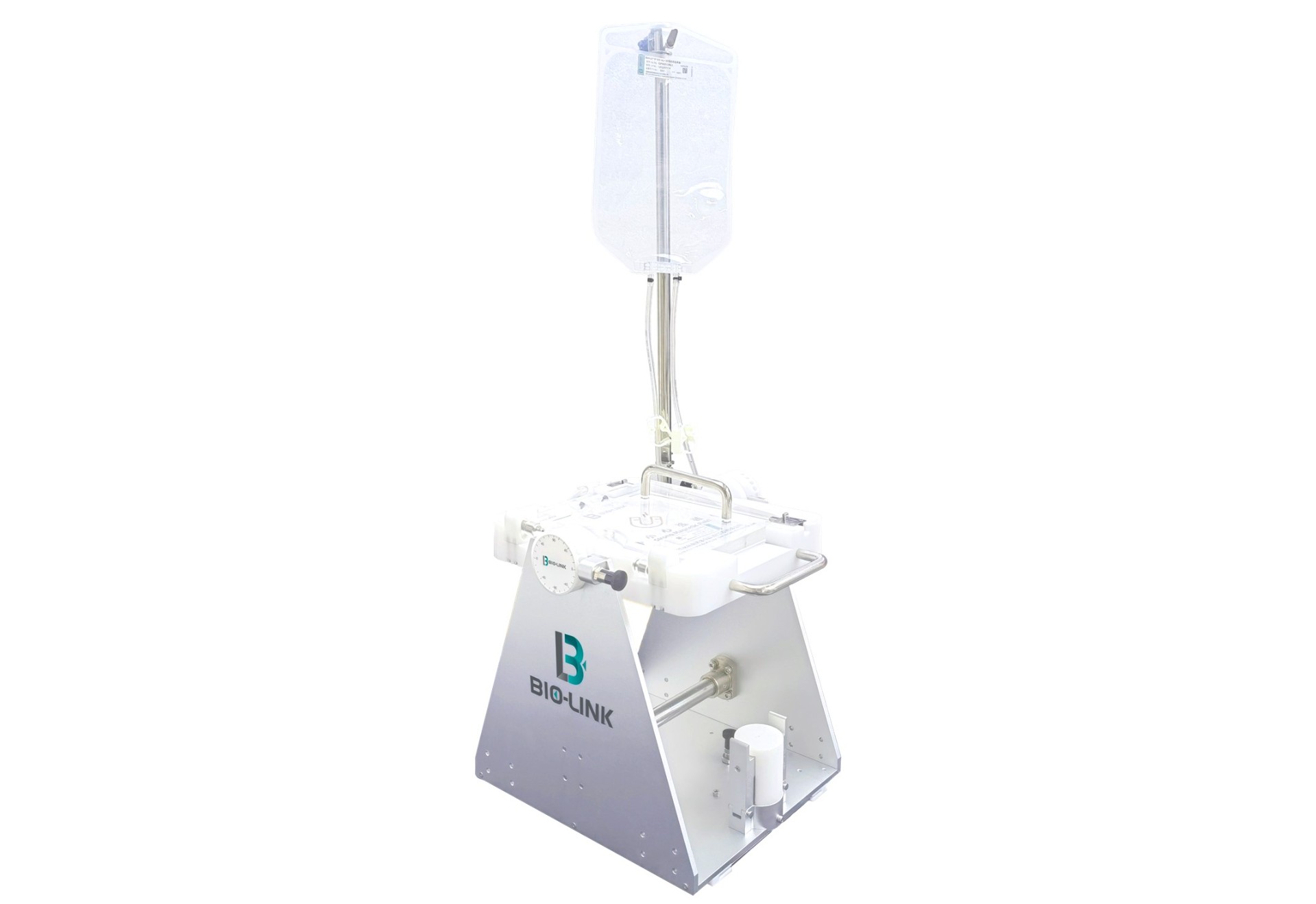
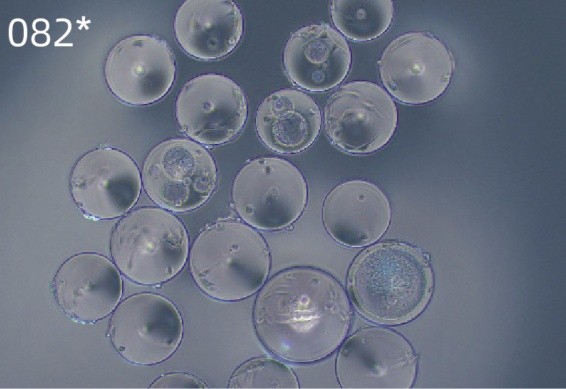
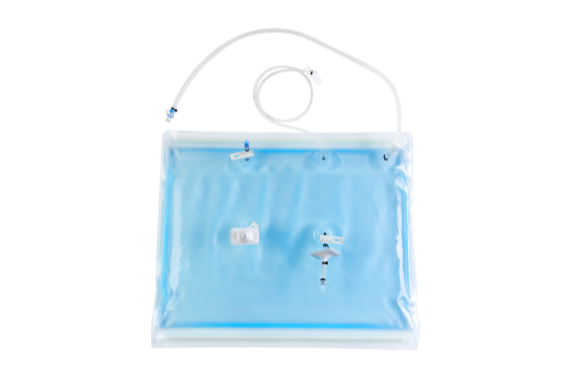
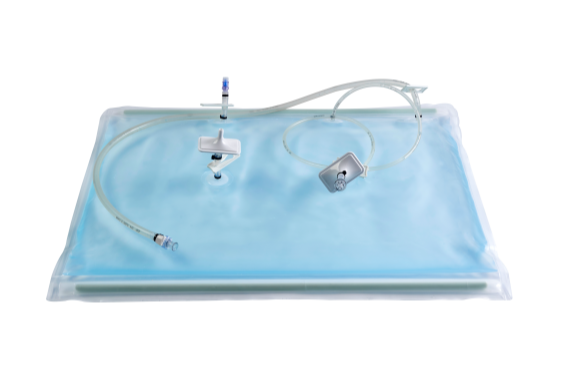
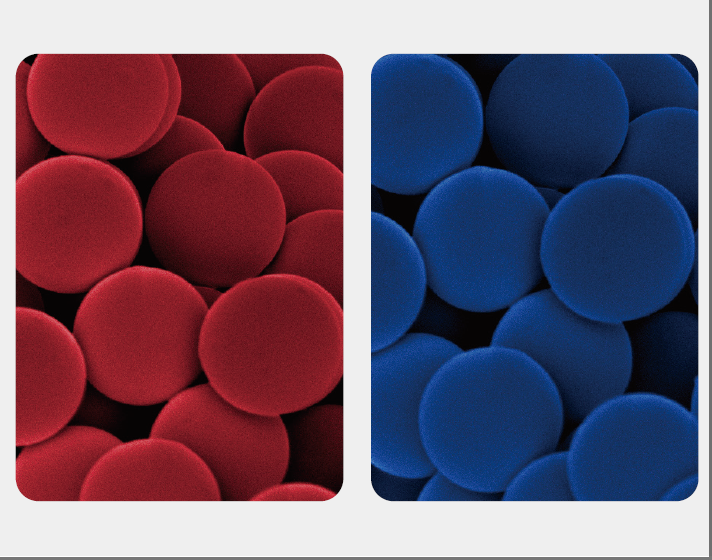
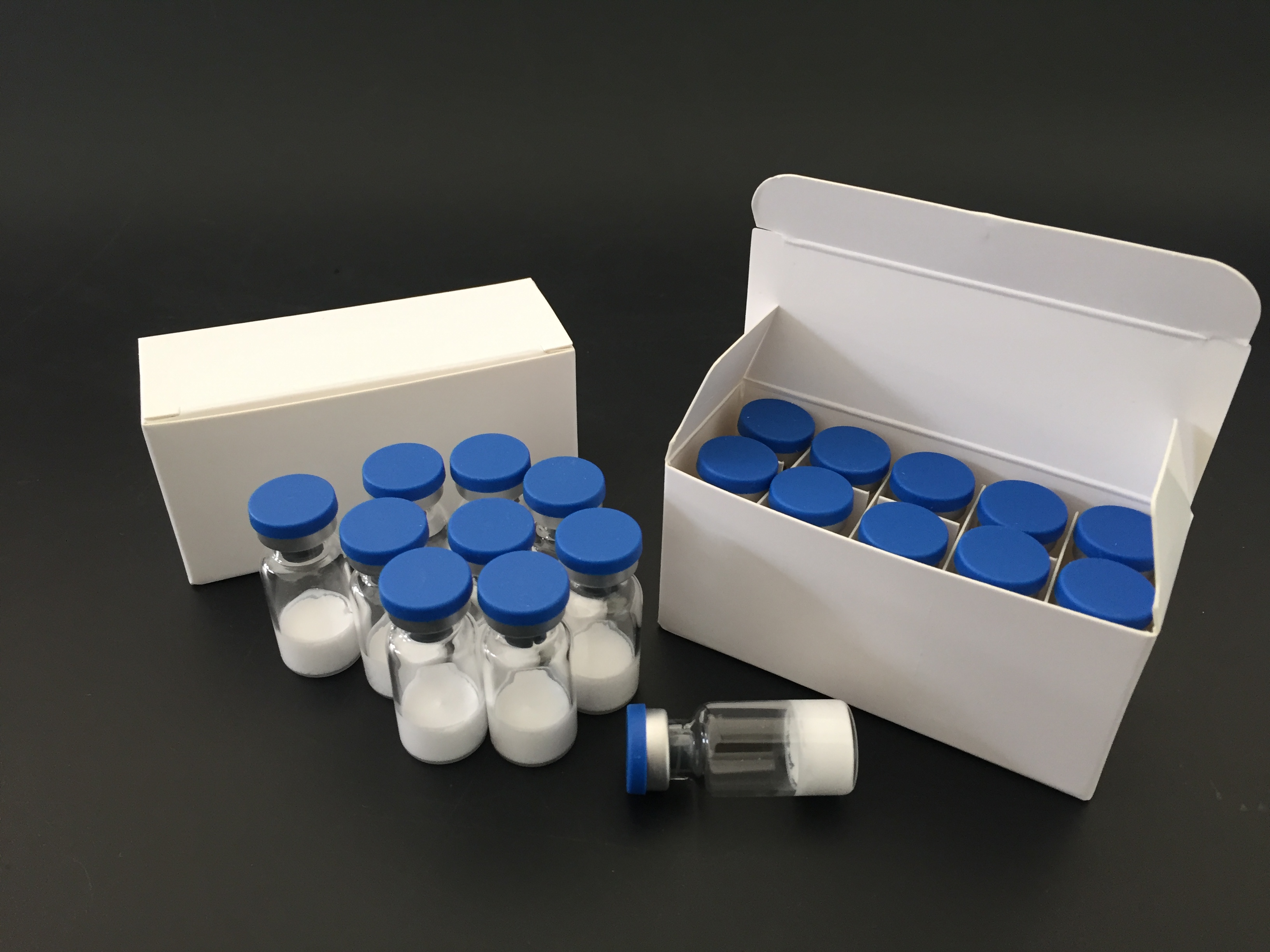
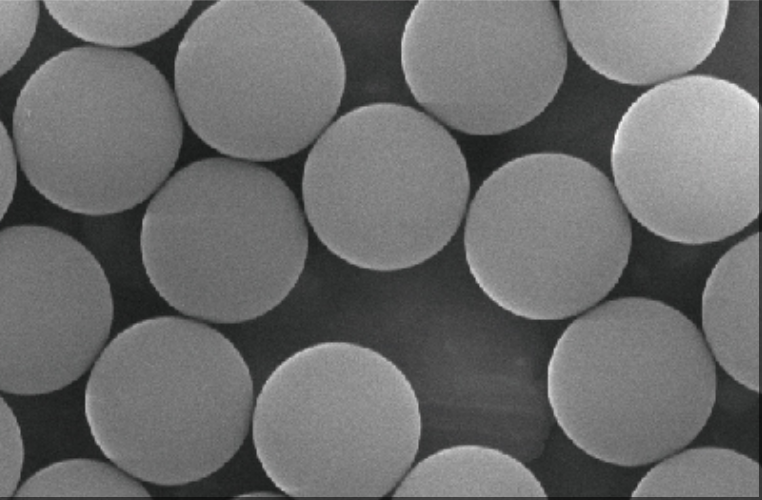
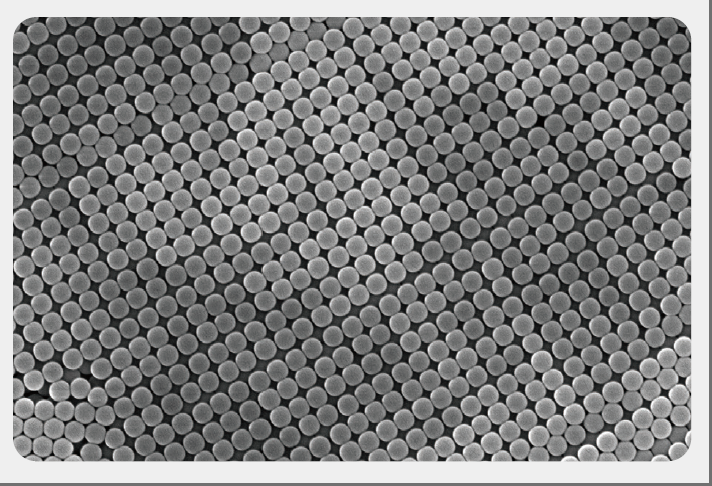
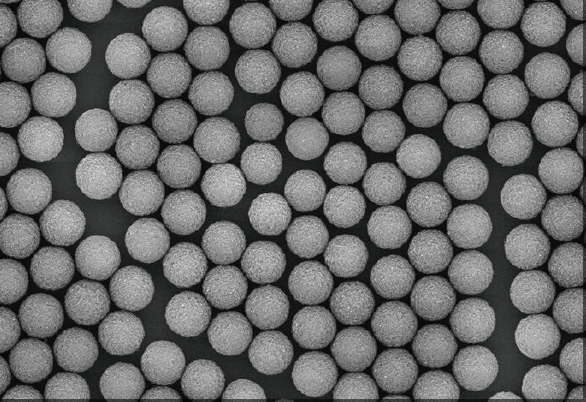
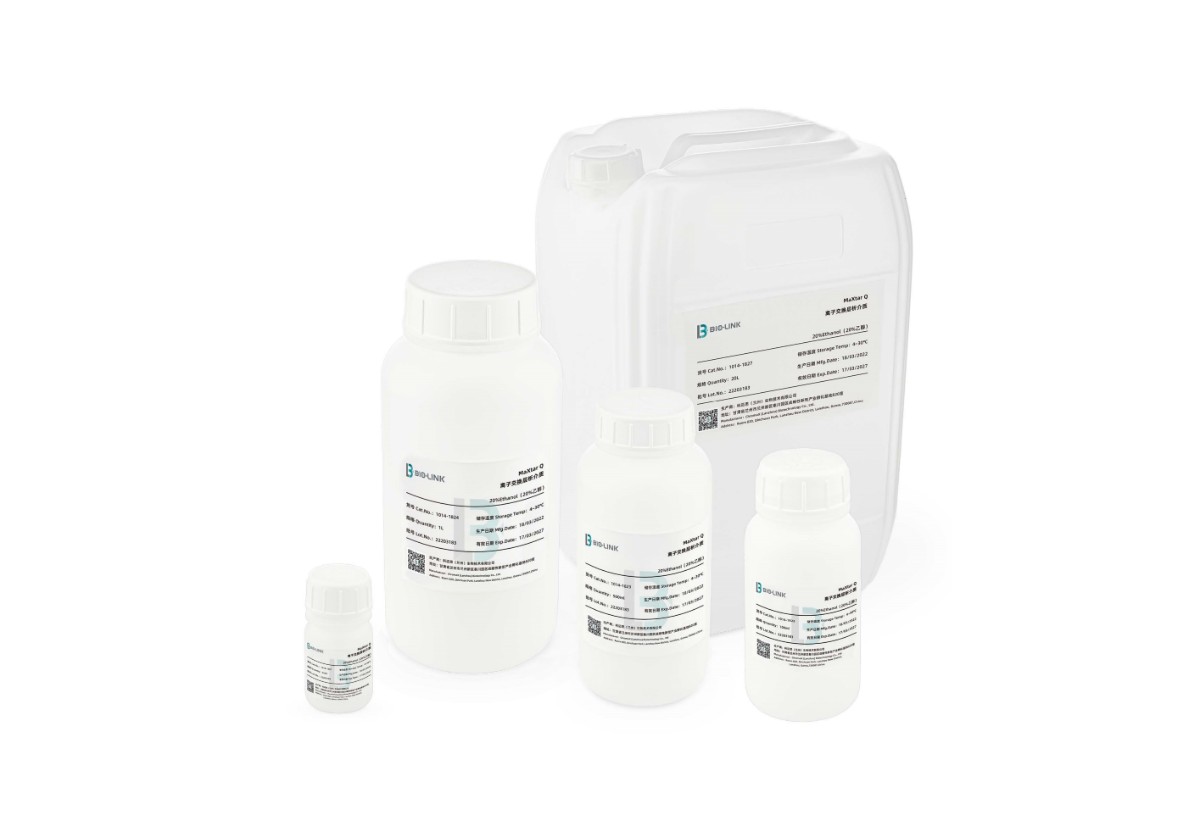
MaXtar® ARPA is an affinity chromatography resin for antibody purification that separates antigens and antibodies by specific interactions between them. The chromatography resin is used to process high concentrations of monoclonal antibodies.
- High flow velocities and high dynamic binding capacities help to shorten the treatment cycle.
- The modified alkali-resistant rProtein A ligand can tolerate 0.5M NaOH for CIP.
For more information, please visit Bio-Link website.
*The following content is generated by AI and is for reference only.
MaXtar® ARPA Affinity Chromatography Resins represent a cutting-edge solution in the field of biopharmaceutical purification, specifically designed for the high-efficiency isolation of antibodies and other biomolecules. These resins utilize a proprietary affinity ligand technology that offers superior binding capacity and selectivity compared to traditional Protein A media. While specific molecular formulas are not typically disclosed as single entities due to their complex polymeric matrix composition, the core functionality relies on optimized synthetic ligands covalently coupled to a robust, non-porous agarose or methacrylate bead support. The CAS numbers associated with the individual chemical components of the ligand synthesis vary, but the final resin product is characterized by its unique performance metrics rather than a single chemical identifier.
The primary application of MaXtar® ARPA resins lies in the downstream processing of monoclonal antibodies (mAbs) and recombinant proteins. They enable rapid capture steps from cell culture harvests, significantly reducing process time and improving overall yield. The "ARPA" designation often refers to an advanced affinity platform engineered for enhanced stability under varying pH conditions, allowing for rigorous cleaning-in-place (CIP) procedures without compromising ligand integrity. This durability extends column lifetime, making it cost-effective for large-scale manufacturing environments. Furthermore, these resins demonstrate excellent flow dynamics, facilitating high throughput processing while maintaining low pressure drops. Their ability to minimize host cell protein and DNA contamination ensures that the final product meets stringent regulatory standards for purity. By offering a balance of high dynamic binding capacity and easy regeneration, MaXtar® ARPA resins serve as a critical tool for biotechnology companies aiming to optimize production efficiency and reduce operational costs in the development of therapeutic biologics.





 (All Rights Reserved)