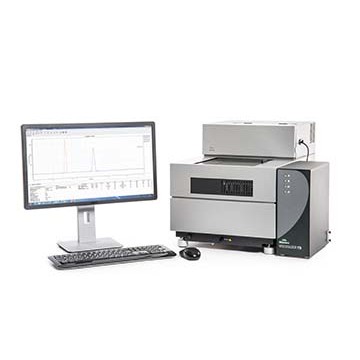
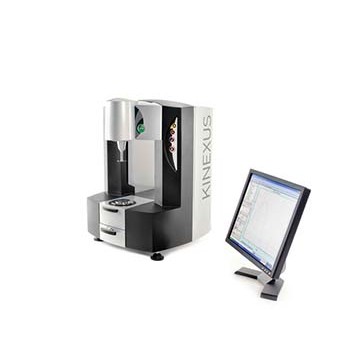
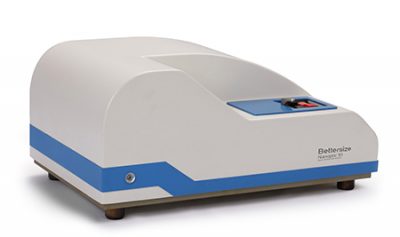
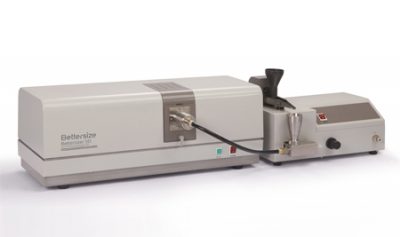
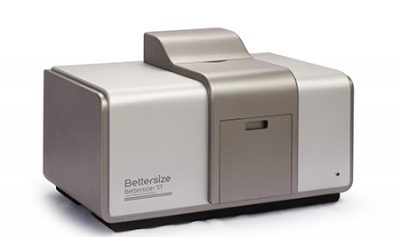
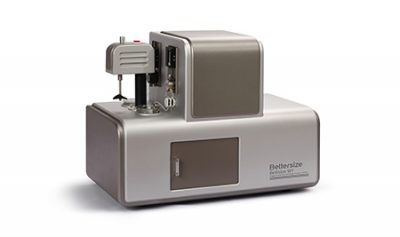
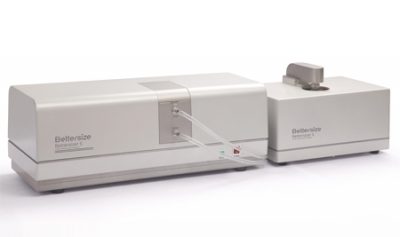
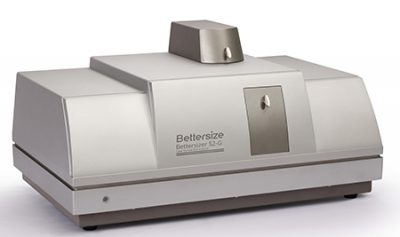
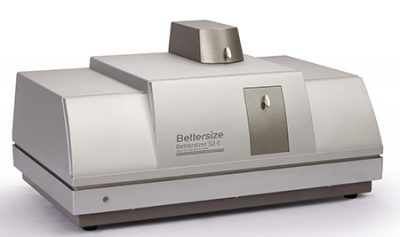
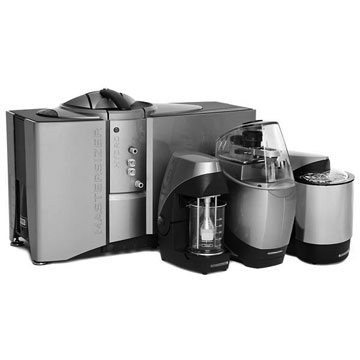
The Mastersizer 3000 laser diffraction particle size analyzer delivers rapid, accurate particle size distributions for both wet and dry dispersions with the minimum of effort. Measuring over the nanometer to millimeter particle size ranges, it packs exceptional performance into the smallest of footprints, bringing operator-independent measurements that every user can rely on.
*The following content is generated by AI and is for reference only.
This advanced particle size analyzer utilizes laser diffraction technology to provide rapid, accurate, and reproducible measurements of particle size distributions across a wide range of industries. By passing a laser beam through a sample dispersed in air or liquid, the instrument detects the angular variation in light intensity scattered by particles. According to Mie theory, this scattering pattern is mathematically converted into a precise particle size distribution, typically covering a measurement range from sub-micron to several millimeters. Such capabilities make it indispensable for quality control in pharmaceuticals, where drug dissolution rates depend heavily on particle size; in food and beverage manufacturing for texture optimization; in cosmetics for product smoothness; and in mineral processing for efficiency analysis. The device often features an automated wet and dry dispersion unit, allowing seamless switching between liquid suspensions and powders without manual intervention, thereby enhancing throughput and reducing operator error.
When operating this equipment, strict adherence to safety protocols is essential. Users must ensure that samples are properly prepared to avoid clogging the optical path, which can damage sensitive detectors. For dry powder analysis, explosion-proof environments may be required if handling combustible materials, necessitating proper grounding and inert gas purging systems. Regular calibration using certified reference standards is critical to maintain data integrity and traceability. Additionally, operators should wear appropriate personal protective equipment, including safety glasses and gloves, especially when handling chemical dispersants or fine powders that could pose inhalation risks. Cleaning procedures must follow manufacturer guidelines strictly to prevent cross-contamination between different sample types. Software updates should be installed promptly to leverage new analytical algorithms and compatibility improvements. Ultimately, while the instrument offers high precision, its performance relies heavily on correct sample preparation, appropriate dispersion settings, and consistent maintenance routines to ensure reliable results over the long term.





 (All Rights Reserved)