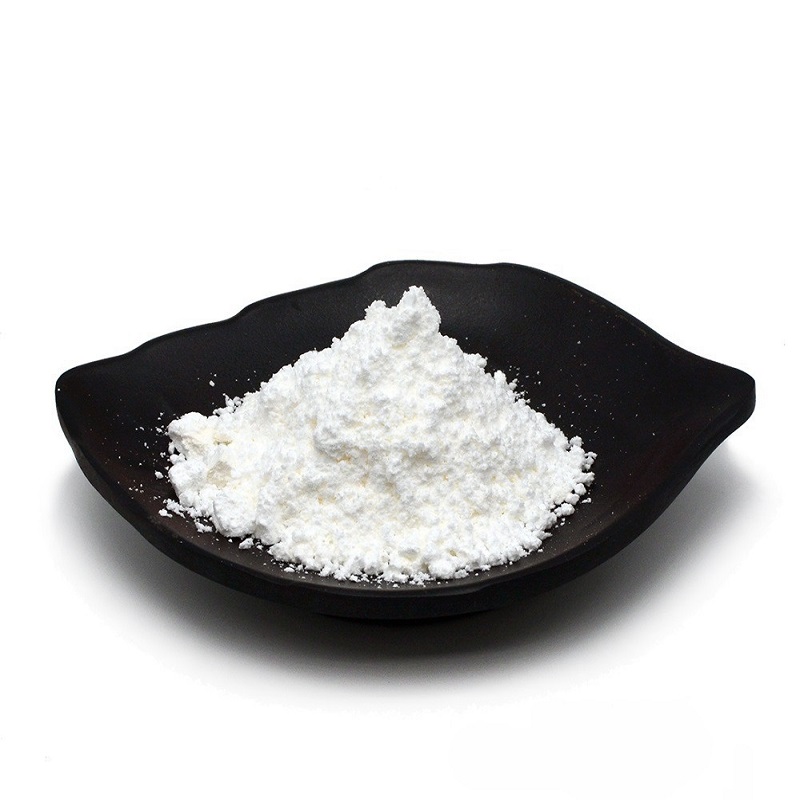
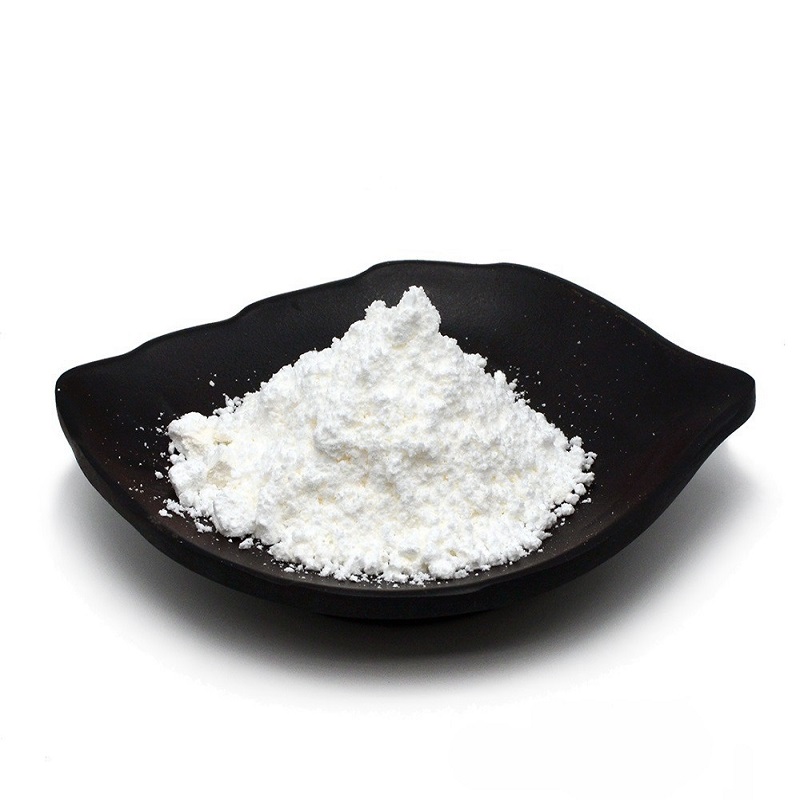
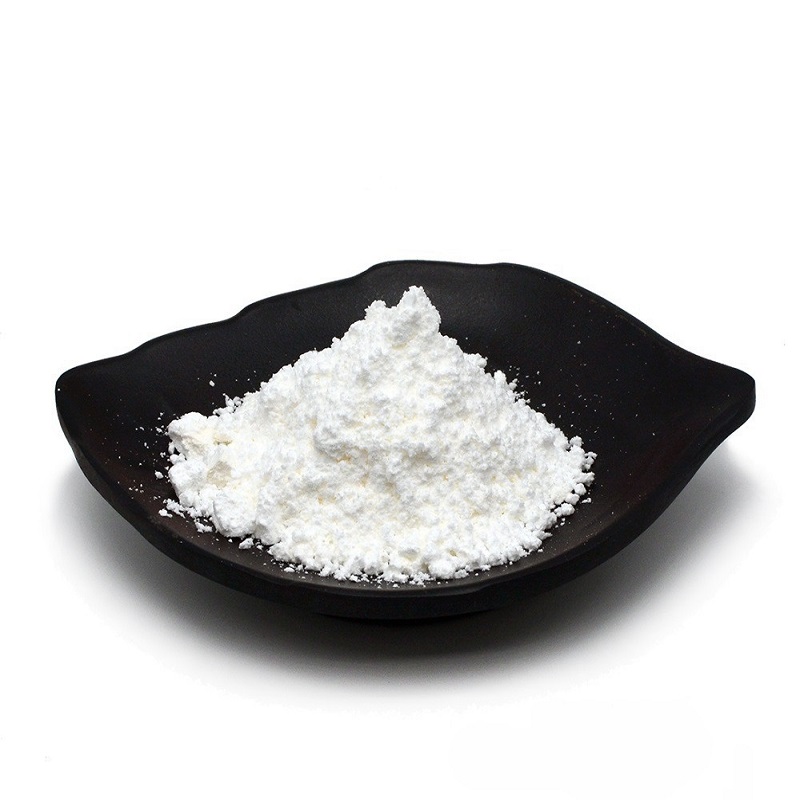
Product Description
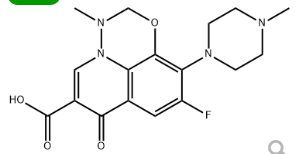
It is a new type of fluoroquinolone antibacterial drug that inhibits bacterial growth by suppressing DNA transcription enzymes, and has antibacterial effects on Gram negative bacteria, Gram positive bacteria, and mycoplasma. Mabofloxacin can be well absorbed through oral and injection administration, with low toxicity and side effects
AI Product Description
*The following content is generated by AI and is for reference only.
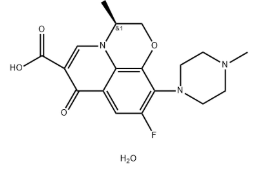
Marbofloxacin is a broad-spectrum, third-generation fluoroquinolone antibiotic primarily utilized in veterinary medicine. Its chemical identity is defined by the molecular formula C19H22FN3O4 and the CAS Registry Number 115550-35-1. Structurally, it features a fluorinated quinolone core that enables potent inhibition of bacterial DNA gyrase and topoisomerase IV, enzymes essential for DNA replication, transcription, and repair. This mechanism effectively halts bacterial growth, rendering the drug bactericidal against a wide array of Gram-positive and Gram-negative pathogens.
Clinically, Marbofloxacin is widely prescribed for treating skin, soft tissue, respiratory, and urinary tract infections in dogs, cats, and horses. It is particularly effective against common veterinary pathogens such as *Staphylococcus pseudintermedius*, *Escherichia coli*, *Pasteurella multocida*, and *Pseudomonas aeruginosa*. Due to its excellent bioavailability following oral administration and favorable tissue penetration, including high concentrations in the lungs and kidneys, it offers significant therapeutic advantages over older antibiotics. The drug is available in various formulations, including tablets, injectable solutions, and topical preparations, facilitating flexible dosing regimens tailored to specific species and infection severities.
The development of Marbofloxacin addressed the growing challenge of antimicrobial resistance in companion animals, providing a robust alternative when first-line treatments fail. However, like all fluoroquinolones, its use requires careful stewardship to minimize the risk of developing resistant bacterial strains. Common side effects are generally mild but may include gastrointestinal disturbances such as vomiting or diarrhea. In rare instances, cartilage damage has been observed in young, growing animals, necessitating caution in pediatric patients. Despite these considerations, Marbofloxacin remains a cornerstone of modern veterinary pharmacotherapy, valued for its efficacy, safety profile, and convenience in managing complex bacterial infections across diverse animal species. Its continued availability supports improved clinical outcomes and animal welfare globally.





 (All Rights Reserved)