Product Description
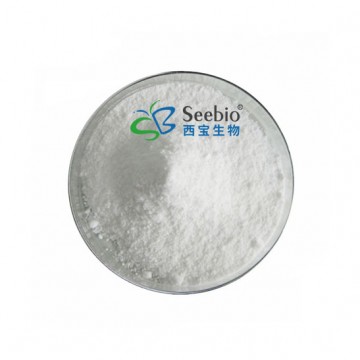
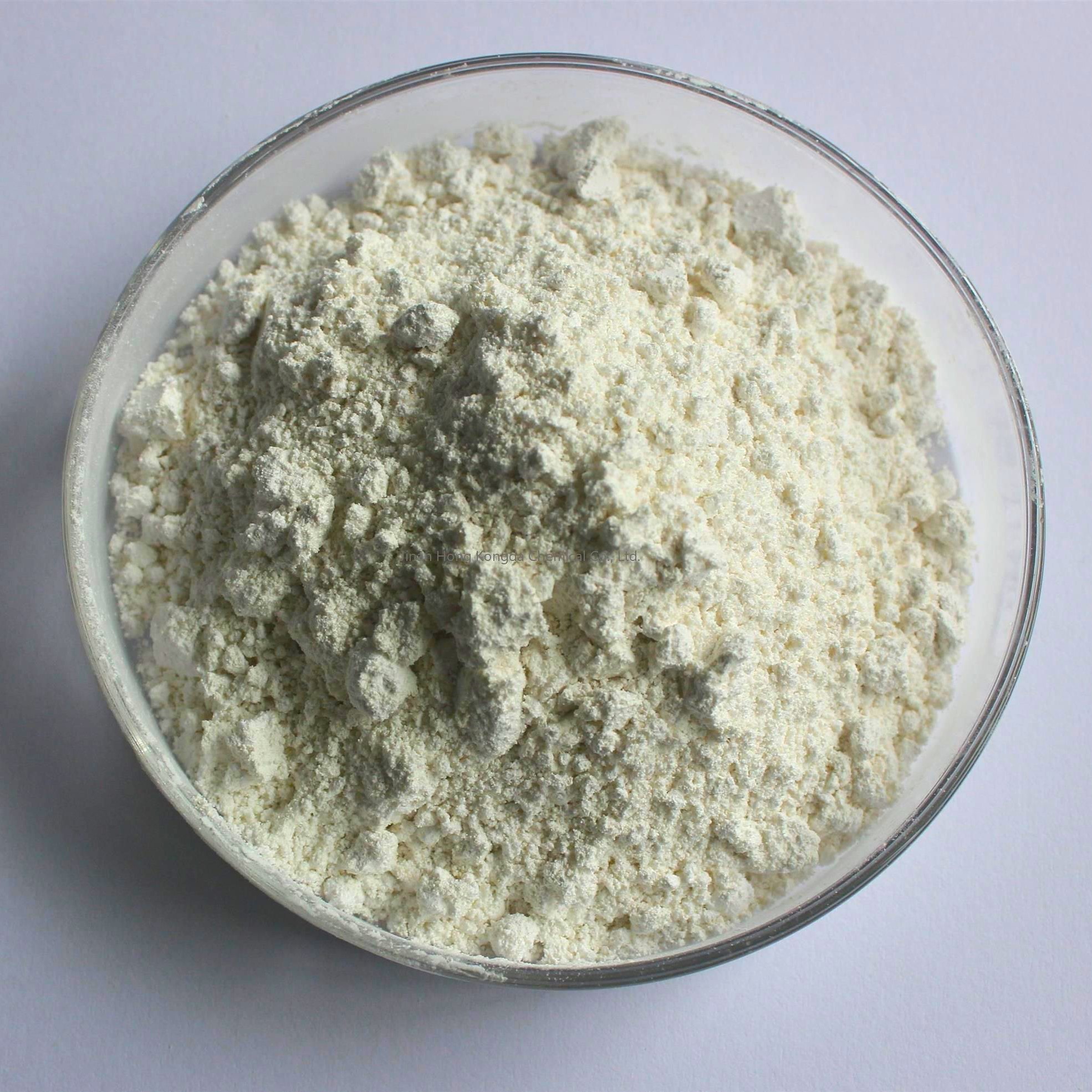
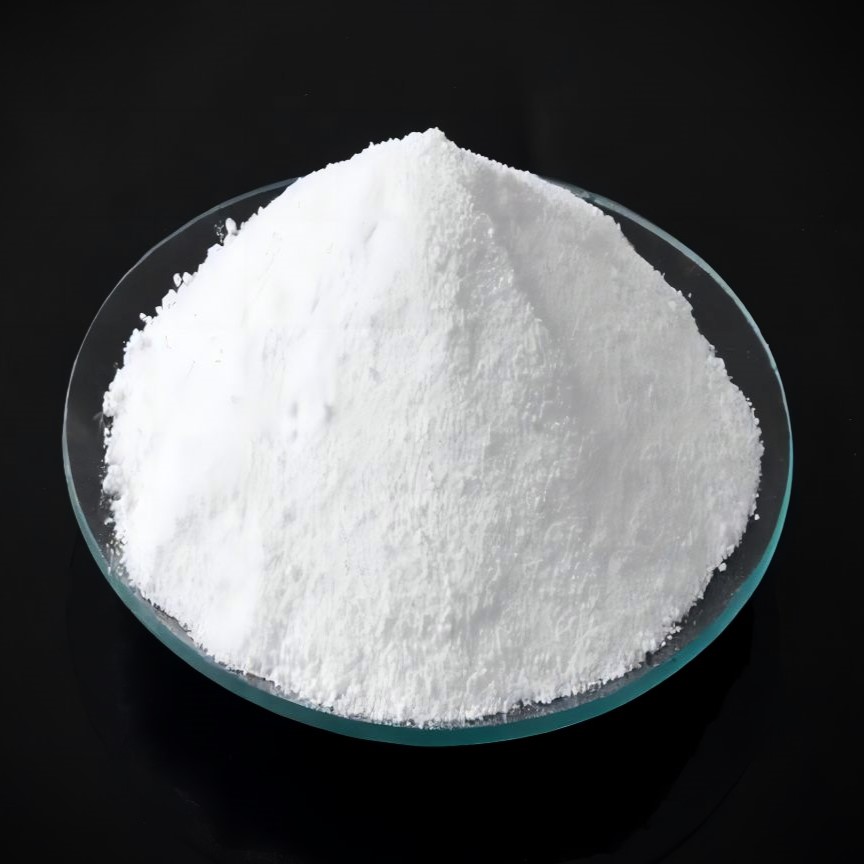
ALA0398A Maltitol Food grade CAS Number 585-88-6 Molecular Formula C12H24O11 Molecular Weight 344.31 Package:25Kg/Bag Function: Sweeteners Application: Tags: Blood glucose Regulation
| ITEM |
STANDARD |
| Appearance |
White crystal |
| Taste |
Typically sweet with no foreign taste |
| Odour |
No foreign odours |
| Assay |
99%-101% |
| Related products |
=<1% |
| Water content |
=<0.5% |
| Reducing sugar |
=<0.1% |
| Specific rotation |
+105.5°~ +108.5° |
| Melting point |
148℃--151℃ |
| Chloride |
=<50 ppm |
| Sulfate |
=<100 ppm |
| Lead |
=<0.5 ppm |
| Nickel |
=<0.5 ppm |
| Arsenic |
=<0.5 ppm |
| Heavy metals |
=<10 ppm |
| Sulfated ash |
=<0.1% |
| Conductivity |
=<20us/cm |
| Viable counts |
=<20cfu/g |
| Yeast |
=<10cfu/g |
| Moulds |
=<10cfu/g |
| Coliform organisms |
Negative in 25g |
AI Product Description
*The following content is generated by AI and is for reference only.
Maltitol, chemically known as maltitol syrup or maltitol hydrogenated, is a widely utilized sugar alcohol (polyol) serving as a versatile sweetener and texturizer in the food and pharmaceutical industries. With the molecular formula C12H24O11 and a CAS number of 585-88-6 for the solid form, it is derived from sucrose through hydrogenation. This process converts the glycosidic bond, resulting in a compound that retains the sweetness profile of sucrose while offering significant metabolic advantages. Maltitol possesses approximately 90% of the sweetness of table sugar but contains roughly half the calories, making it an ideal ingredient for low-calorie, diabetic-friendly, and weight-management products.
One of its primary distinctions among polyols is its exceptional stability and similarity to sucrose in baking applications. Unlike some other sweeteners that may crystallize or lose volume, maltitol provides excellent bulk, texture, and browning characteristics, ensuring that sugar-free cookies, chocolates, and confectioneries maintain their desired mouthfeel and structural integrity. It exhibits minimal hygroscopicity, preventing products from becoming sticky or soft over time, which enhances shelf life. Furthermore, maltitol has a very low glycemic index, causing only a mild rise in blood glucose levels, thereby reducing the risk of dental caries compared to traditional sugars.
In the pharmaceutical sector, it is frequently employed as a filler and binder in tablet formulations and chewable vitamins due to its pleasant taste and non-cariogenic properties. While generally recognized as safe by major regulatory bodies including the FDA and EFSA, excessive consumption can occasionally lead to gastrointestinal discomfort, such as bloating or laxative effects, similar to other sugar alcohols. Despite this, its functional versatility, neutral flavor profile, and compatibility with various processing methods ensure its continued prominence in the global market for health-conscious food manufacturing and specialized dietary supplements.