Introduction
Magnesium lactate is widely used in food, beverages, dairy products, flour, nutrient solutions and pharmaceuticals. Magnesium lactate is an organic fortifier of magnesium with excellent performance and relatively economical value. It is widely added in various foods to supplement the deficiency of magnesium in foods, and has a significant effect on preventing various magnesium deficiency and enhancing vitality.
Functions and Applications
<
| Characteristics |
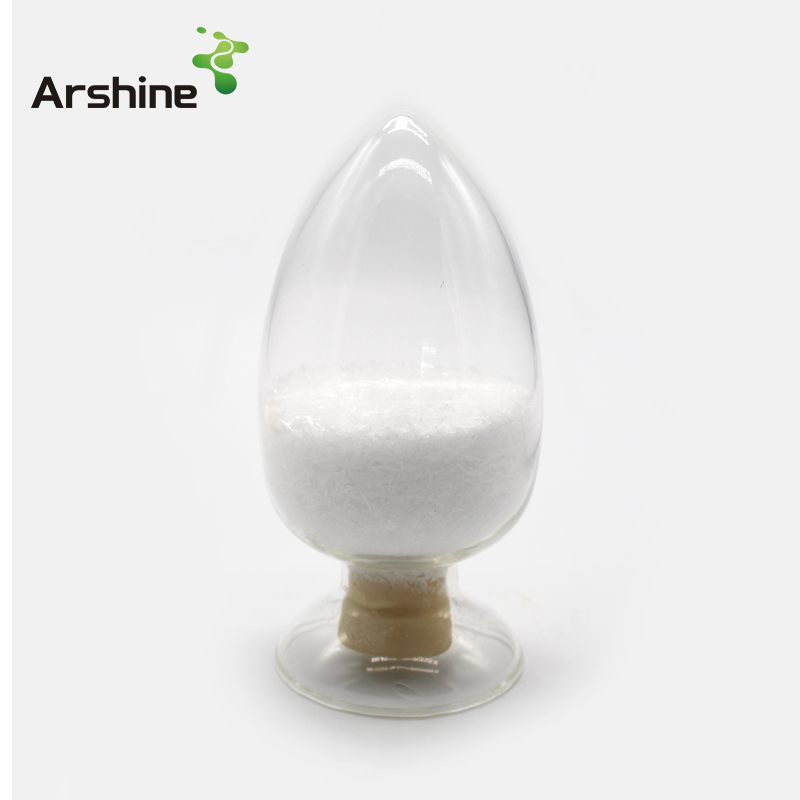
White to cream color crystal powder or granular |
| Solubility |
Easily soluble in hot water, hardly soluble in ethanol |
| Assay |
98.0-102.0% |
| Heavy Metals |
NMT 10 PPM |
| Iron |
NMT 40 PPM |
| Chloride |
NMT 100 PPM |
| Sulfate (SO4) |
NMT 50 PPM |
| Foreign Acids |
None Detectable |
| Arsenic |
NMT 3 PPM |
| Magnesium Content |
11.8- 12.2% |
| Storage |
Preserve in well-closed containers. |
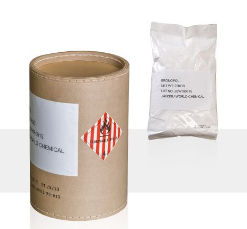
OEM Service: Small sachet package available with your label
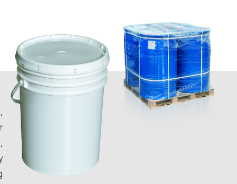
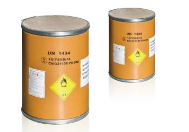
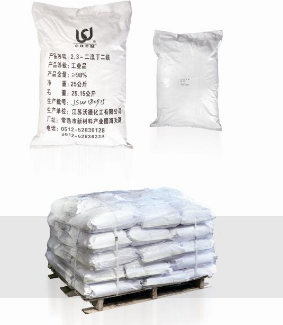
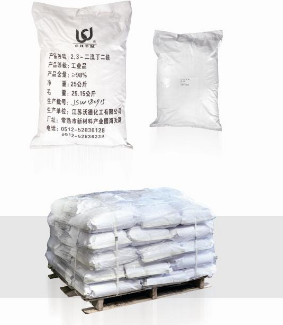
Normal Packing: 1kg/ Aluninum foil bag, 25kgs/ fiber drum ( Double plastic bags inside or as customer's requirements.)
Storage: Store in tight, light-resistant containers, avoid exposure to direct sunlight, moisture and excessive heat.
Shelf Life: 24 months.
Delivery: By courier door to door (DHL, FedEx, TNT), by air, by sea
*The following content is generated by AI and is for reference only.
Magnesium Lactate, available in both anhydrous and trihydrate forms, is a vital organic salt formed from the reaction between magnesium hydroxide or carbonate and lactic acid. Its chemical identity varies slightly based on hydration state: the anhydrous form possesses the molecular formula C6H10MgO6, while the trihydrate version includes three water molecules, resulting in the formula C6H10MgO6·3H2O. The CAS number for Magnesium Lactate Anhydrous is 5743-28-4, whereas the Trihydrate is registered under CAS 5946-18-1. This white to off-white crystalline powder exhibits high solubility in water and is generally odorless with a slightly saline taste.
Primarily utilized in the pharmaceutical industry, Magnesium Lactate serves as a reliable source of bioavailable magnesium, essential for numerous enzymatic reactions, nerve function, and muscle contraction within the human body. It is frequently employed in dietary supplements to treat or prevent magnesium deficiency, offering superior absorption rates compared to inorganic salts like magnesium oxide. In the food sector, it acts as a leavening agent, acidity regulator, and nutrient fortifier in baked goods, sports drinks, and infant formulas. Furthermore, its role extends to the cosmetic and personal care industries, where it functions as a buffering agent and skin-conditioning ingredient in lotions and creams due to its gentle nature.
Beyond commercial applications, this compound plays a significant role in analytical chemistry as a reagent and in industrial processes such as leather tanning and textile dyeing. The distinction between the anhydrous and trihydrate forms often dictates specific manufacturing requirements; the trihydrate is more common in consumer products due to its stability, while the anhydrous form is preferred in moisture-sensitive formulations. Overall, Magnesium Lactate represents a versatile, safe, and effective compound bridging nutrition, healthcare, and industrial manufacturing, making it a staple ingredient across multiple global markets.