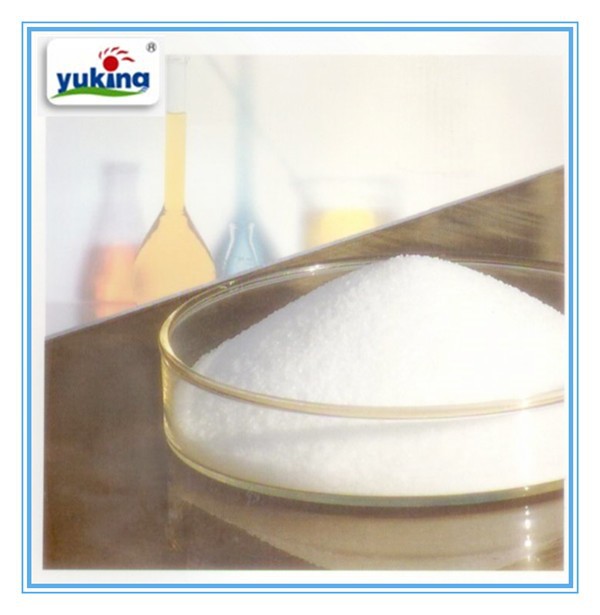
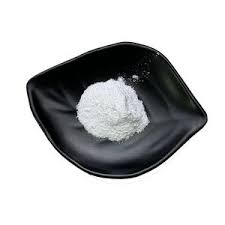
Magnesium hydroxide is an excellent flame retardant for plastic and rubber products. In terms of environmental protection, it can be used as a flue gas desulfurizer to replace caustic soda and lime as a neutralizer for acidic wastewater. It can also be used in the electronics industry, medicine, sugar refining, as an insulating material, and in the manufacture of other magnesium salt products, with anti-corrosion and desulfurization functions.
*The following content is generated by AI and is for reference only.
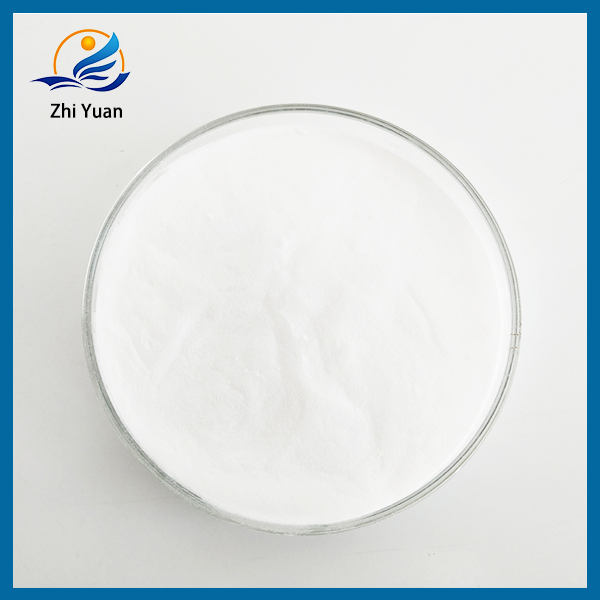
Magnesium Hydroxide, chemically known as Mg(OH)₂, is a versatile inorganic compound widely recognized for its safety and effectiveness across multiple industrial and consumer sectors. With the CAS number 1309-42-8, this white, odorless powder exhibits low solubility in water but dissolves readily in acids, making it an ideal neutralizing agent. Naturally occurring as the mineral brucite, synthetic magnesium hydroxide is produced through various chemical processes to ensure high purity for pharmaceutical and food applications.
In the medical field, Magnesium Hydroxide is best known as an antacid and laxative. It works by neutralizing excess stomach acid to relieve heartburn and indigestion, while its osmotic action draws water into the intestines to promote bowel movements. Its mild nature and rapid onset of action make it a preferred choice over other alkaline compounds for short-term relief of gastrointestinal discomfort. Furthermore, it serves as a flame retardant additive in plastics, rubber, and textiles. Upon exposure to high heat, it decomposes endothermically, releasing water vapor which cools the material and dilutes flammable gases, thereby suppressing combustion without releasing toxic fumes. This eco-friendly characteristic has led to its increasing adoption in building materials and electrical wiring insulation.
Beyond medicine and fire safety, the compound plays a crucial role in environmental engineering. It is extensively used in wastewater treatment plants to precipitate heavy metals and adjust pH levels, ensuring compliance with strict discharge regulations. In the food industry, it functions as a firming agent and anti-caking agent, particularly in processed foods like tofu production and salt additives. Additionally, it acts as a precursor for producing magnesium oxide and other magnesium salts. Due to its non-toxic profile and multifunctional properties, Magnesium Hydroxide remains a cornerstone chemical in modern manufacturing, balancing performance with environmental stewardship and human health safety.