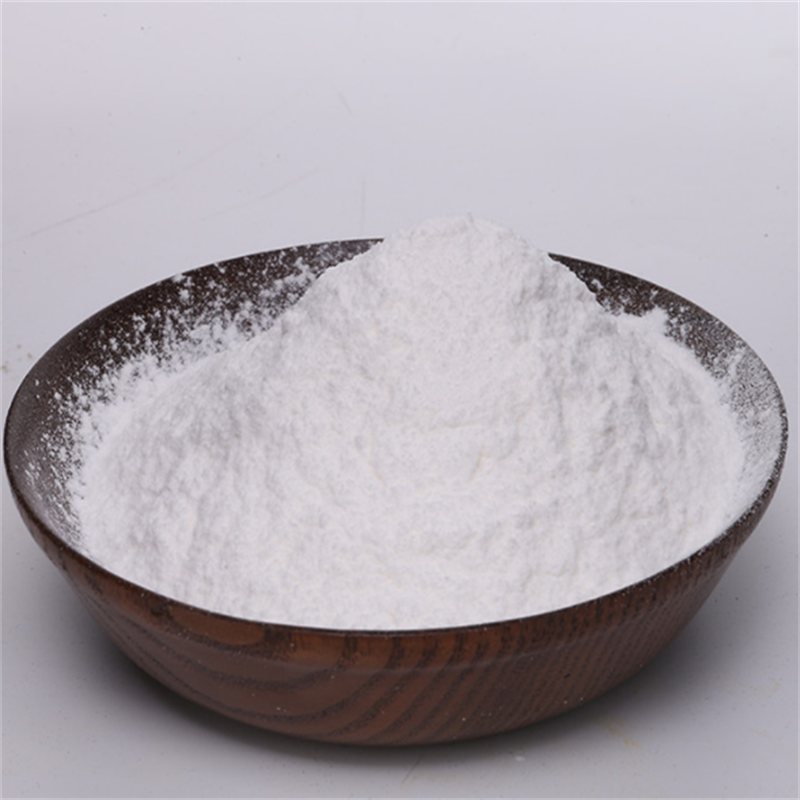
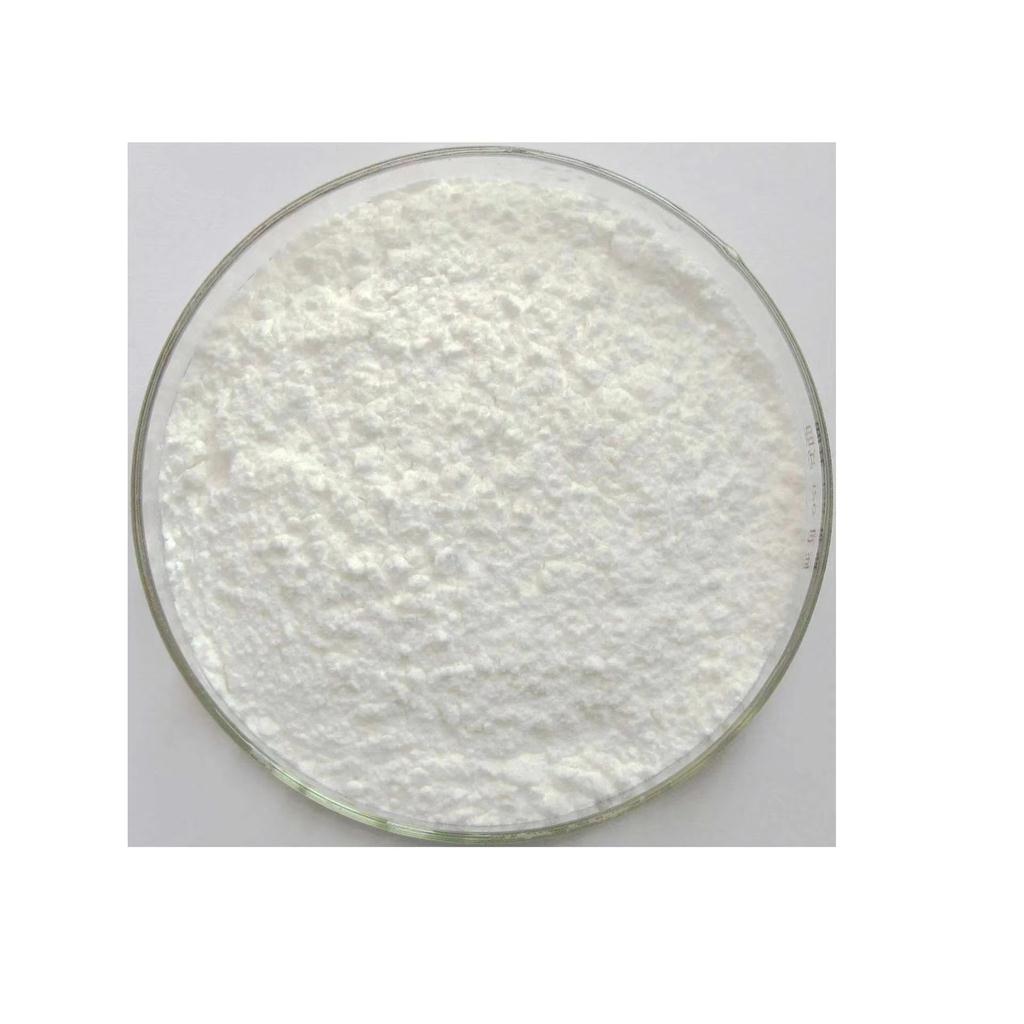
Product Description
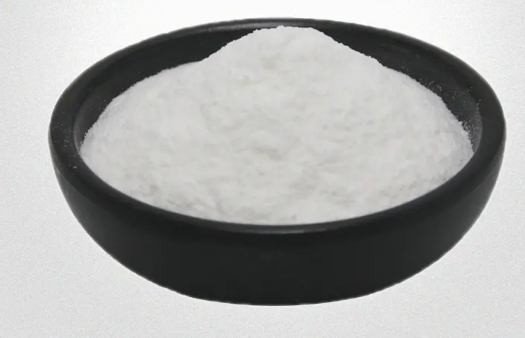
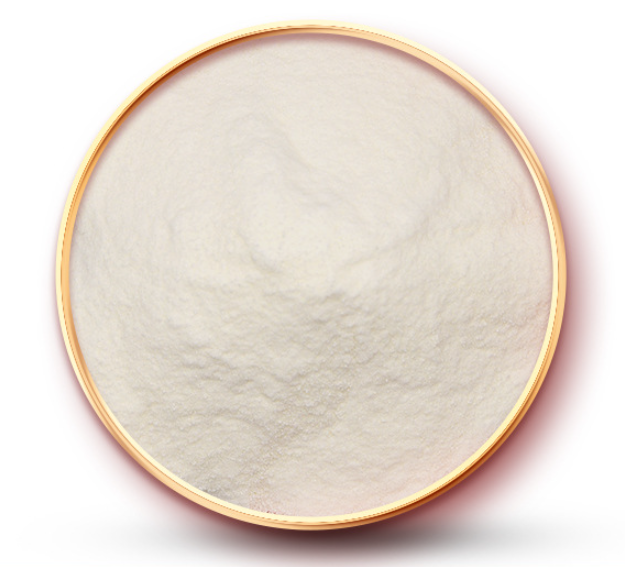
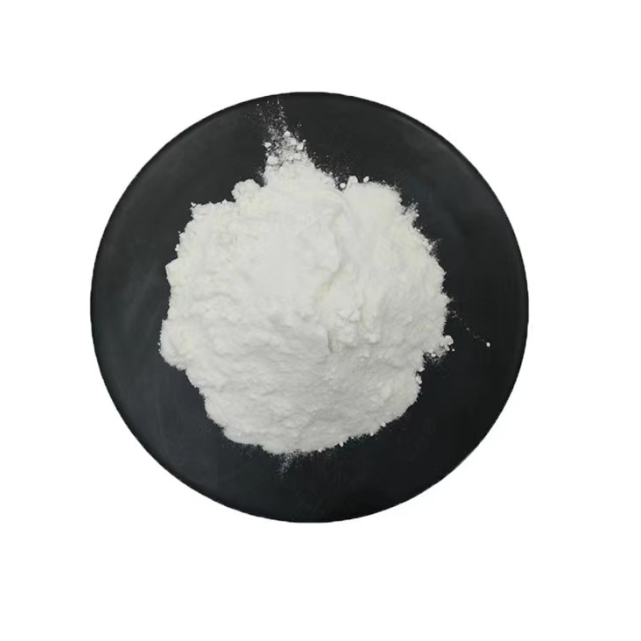
Luteolin is a natural flavonoid that is abundant in herbs, fruits, and vegetables. It is also one of the main metabolites present after oral administration of luteolin-7-o-glucoside. Studies have shown that luteolin has anti-apoptosis, anticancer, and antioxidant activities
AI Product Description
*The following content is generated by AI and is for reference only.
Luteolin is a naturally occurring flavonoid widely distributed in various plants, herbs, and vegetables, including celery, parsley, thyme, and green peppers. With the chemical formula C15H10O6 and the CAS number 491-70-3, this yellow crystalline powder belongs to the flavone subclass of flavonoids. It is characterized by its potent antioxidant and anti-inflammatory properties, which have attracted significant attention from the scientific community and the nutraceutical industry.
The primary mechanism of luteolin involves the scavenging of free radicals and the modulation of signaling pathways involved in inflammation and cell proliferation. Research suggests that it inhibits key enzymes such as cyclooxygenase-2 (COX-2) and inducible nitric oxide synthase (iNOS), thereby reducing inflammatory mediators like prostaglandins and cytokines. Furthermore, luteolin exhibits neuroprotective effects, potentially mitigating oxidative stress in the brain and supporting cognitive health. Its ability to cross the blood-brain barrier makes it particularly valuable for neurological applications.
In terms of industrial applications, luteolin serves multiple roles across different sectors. In the food and beverage industry, it acts as a natural colorant due to its vibrant yellow hue, replacing synthetic dyes to meet consumer demand for clean labels. The pharmaceutical sector utilizes luteolin as a lead compound for developing drugs targeting chronic diseases, including cancer, cardiovascular disorders, and allergic reactions. Additionally, cosmetic manufacturers incorporate it into skincare formulations to protect skin cells from UV-induced damage and to reduce signs of aging caused by oxidative stress.
Despite its benefits, bioavailability remains a challenge, prompting research into delivery systems like nanoparticles and liposomes to enhance absorption. As a versatile phytochemical, luteolin continues to be a subject of extensive study, promising future advancements in preventive medicine and functional foods. Its natural origin combined with broad biological activity positions it as a critical ingredient in the global market for health-promoting compounds.





 (All Rights Reserved)