Product Description
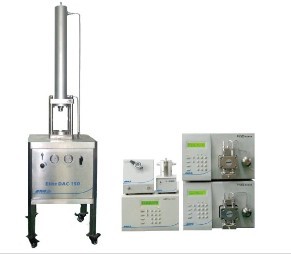
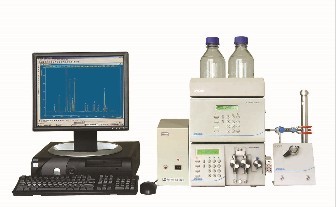
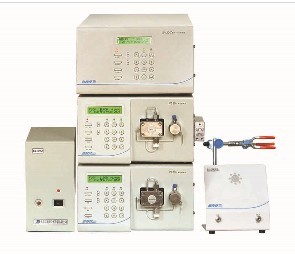
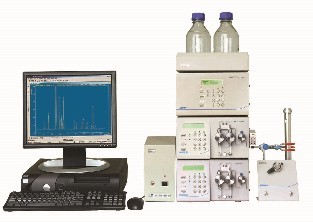
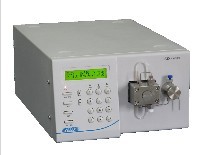
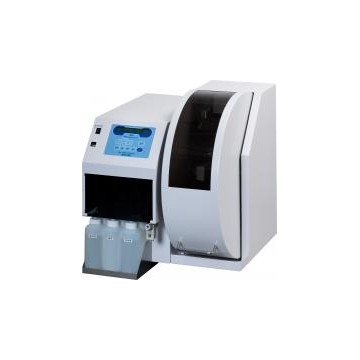
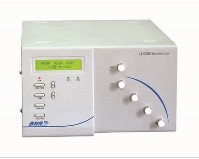
LU230/LU230II Low-pressure Gradient Unit Flow Range 0.01mL/min-10.00mL/min Gradient Setting Range 0.1%-100.0% Gradient Precision 0.2% Gradient Accuracy 2.0% Gradient Curve Linearity, step, concavo and convex curve Vacuum Degassing
AI Product Description
*The following content is generated by AI and is for reference only.
The Low-Pressure Gradient Unit is a specialized component designed for high-performance liquid chromatography (HPLC) systems, specifically engineered to facilitate gradient elution at reduced operating pressures. This technology allows analysts to separate complex mixtures by gradually changing the solvent composition over time, enhancing resolution and peak capacity without requiring expensive high-pressure hardware. Its primary application lies in pharmaceutical research, environmental testing, and food safety analysis, where precise control over mobile phase ratios is critical for identifying trace compounds. By lowering the pressure requirements, this unit significantly reduces mechanical stress on seals, pumps, and tubing, thereby extending the lifespan of the entire chromatographic system and minimizing maintenance downtime.
When operating this equipment, several key precautions must be observed to ensure safety and data integrity. First, users must strictly adhere to solvent compatibility guidelines; incompatible chemicals can degrade internal seals or cause catastrophic leaks. It is essential to degas all mobile phases before introduction to prevent bubble formation, which can disrupt flow rates and compromise detector signals. Regular inspection of tubing connections and fittings is necessary to detect early signs of wear or leakage, as even minor seepage can alter gradient accuracy. Furthermore, the system should never be operated with blocked outlets or clogged filters, as this creates dangerous backpressure conditions that could damage the pump head. Proper flushing protocols using appropriate solvents like water or methanol are mandatory after every run to prevent salt crystallization or sample residue buildup within the mixing chamber. Additionally, operators should avoid rapid temperature fluctuations during operation, as thermal expansion can affect seal integrity. Finally, routine calibration of flow rate and gradient profiles against known standards ensures consistent performance. Adhering to these operational best practices guarantees reliable separation results while maximizing the longevity and safety of the low-pressure gradient system in daily laboratory workflows.





 (All Rights Reserved)