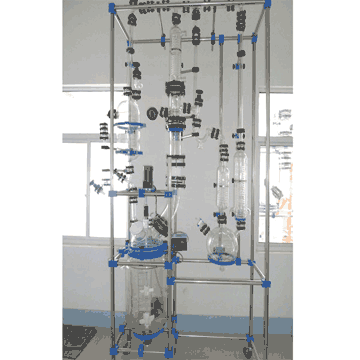
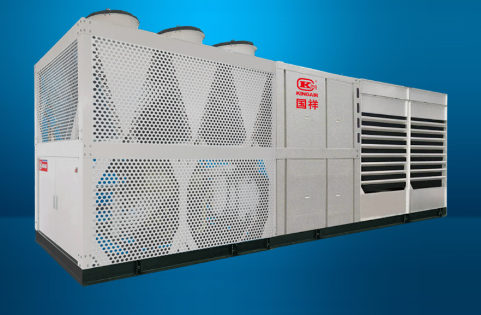
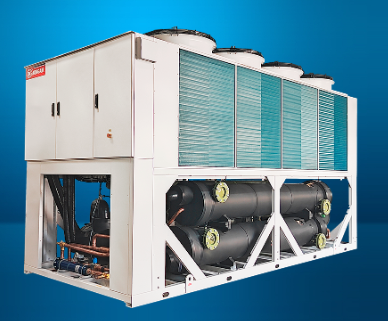
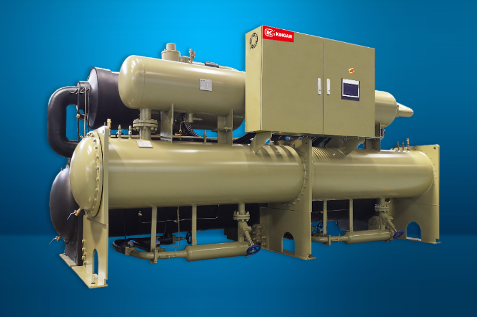
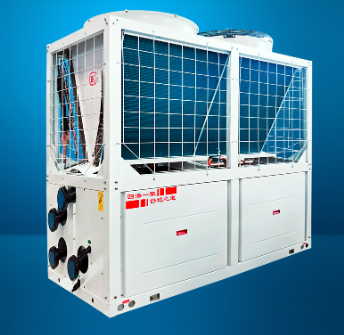
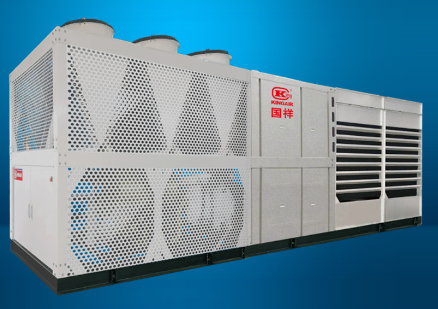
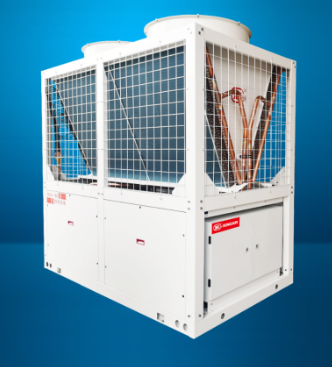
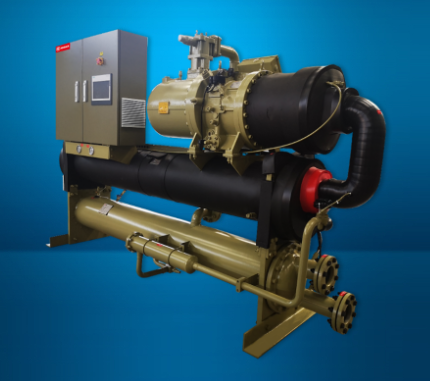
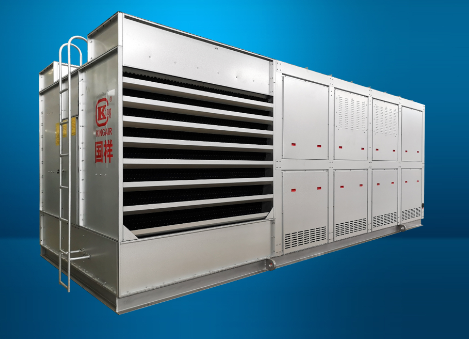
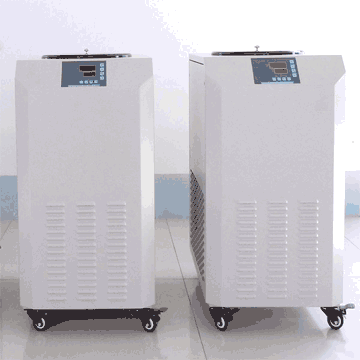
Large low temperature cooling liquid circulating pump constant current, constant voltage, circulating fluid can meet the electronic wet micro mirror, electronic probe, ultra high vacuum sputtering apparatus, X-ray machine, laser, accelerator and other valuable equipments cooling needs
*The following content is generated by AI and is for reference only.
The device described is a precision temperature control instrument, widely recognized in laboratory and industrial settings as a low-temperature circulator or chiller. Its primary function is to maintain a stable, precise thermal environment for external equipment by circulating a heat transfer fluid through a closed loop system. These units are essential for applications requiring temperatures significantly below ambient conditions, often ranging from -40°C up to +200°C depending on the specific model and fluid used. Common uses include cooling reaction vessels in chemical synthesis, maintaining sample integrity during biological assays, regulating temperature in spectrophotometers, and managing thermal loads in semiconductor testing.
The core mechanism involves a compressor-driven refrigeration cycle coupled with a high-efficiency pump. This setup ensures rapid heat extraction and uniform fluid distribution, minimizing thermal gradients within the connected apparatus. Advanced models feature microprocessor controls that allow users to set exact target temperatures with high accuracy, while built-in safety sensors monitor parameters like fluid level, over-temperature conditions, and pump failure. Some units also offer programmable ramps and holds for complex experimental protocols.
Critical operational precautions must be observed to ensure longevity and safety. First, always use the manufacturer-recommended heat transfer fluid; water should never be used if sub-zero temperatures are required due to freezing risks. Second, ensure the reservoir is filled to the specified level before operation to prevent pump cavitation and damage. Third, verify that all tubing connections are secure and rated for the operating pressure and temperature range to avoid leaks. Additionally, adequate ventilation around the unit is vital to dissipate waste heat generated by the condenser. Regular maintenance of filters and fluid quality checks is necessary to prevent contamination or corrosion. Finally, do not operate the unit without a load or with blocked flow paths, as this can lead to overheating and potential system failure. Adhering to these guidelines guarantees reliable performance and extends the service life of the equipment.





 (All Rights Reserved)