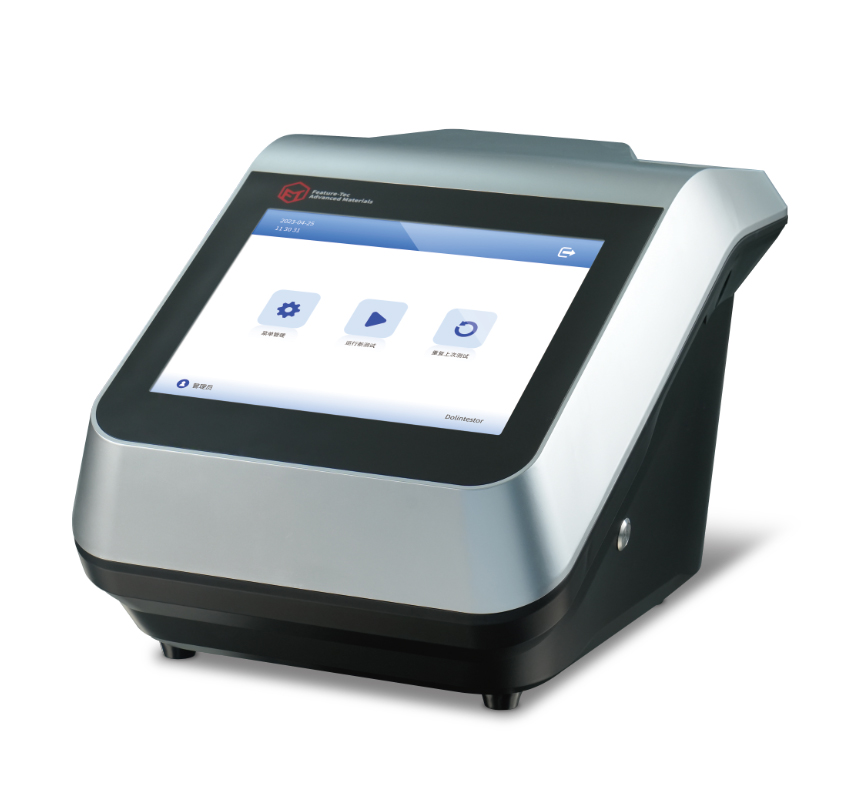
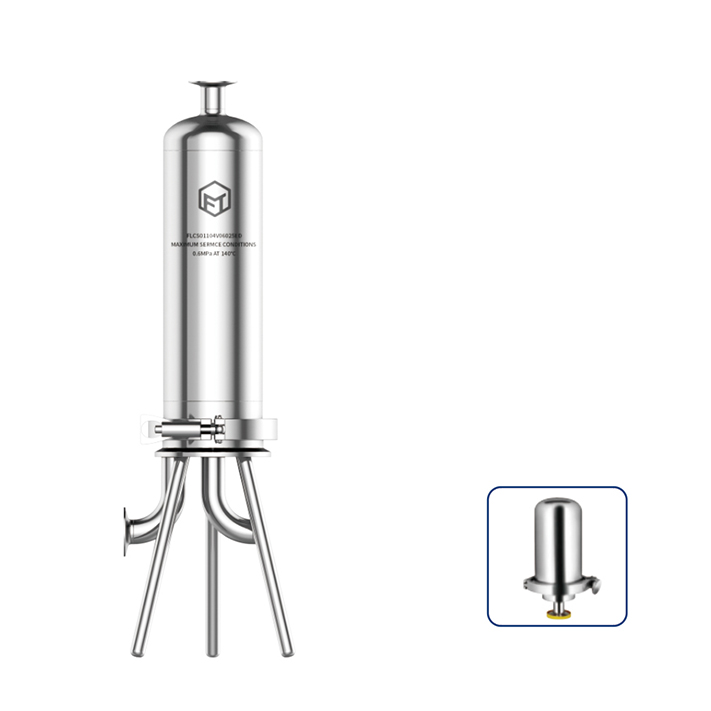
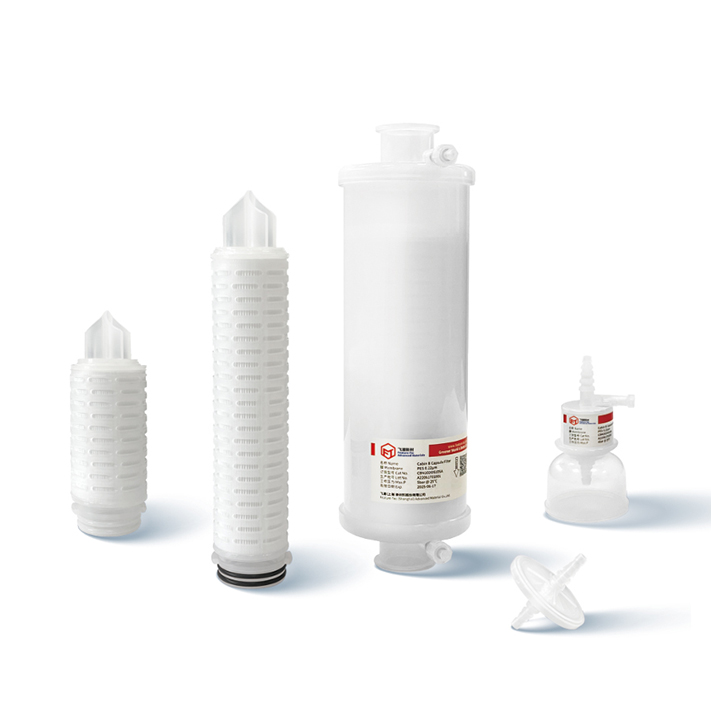
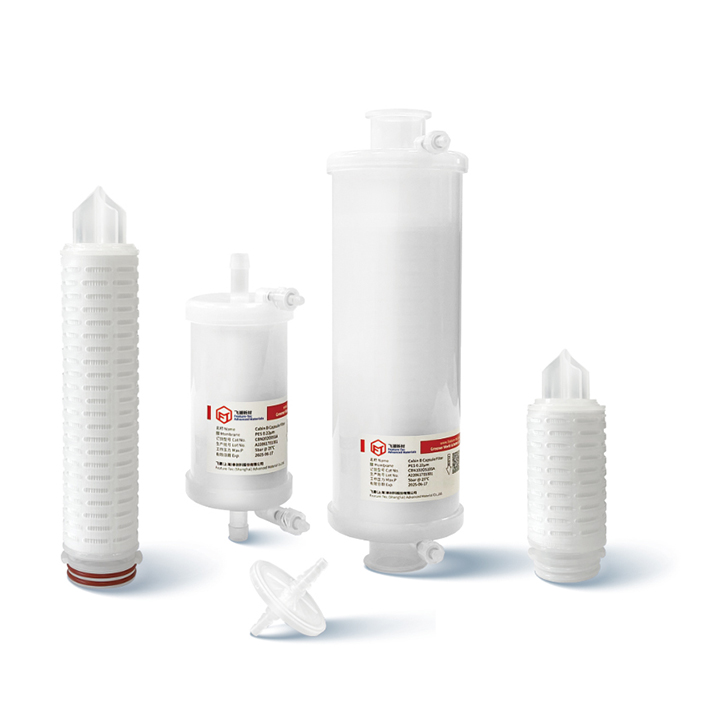
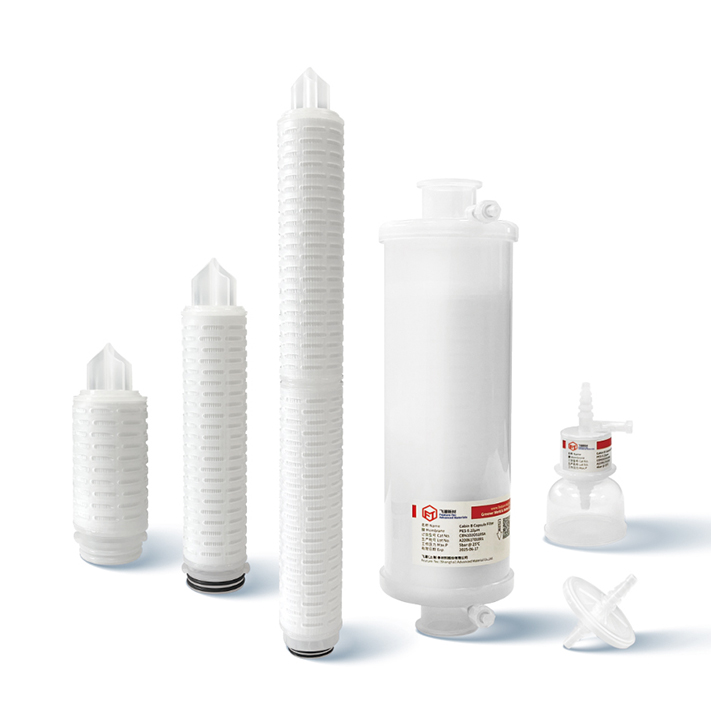
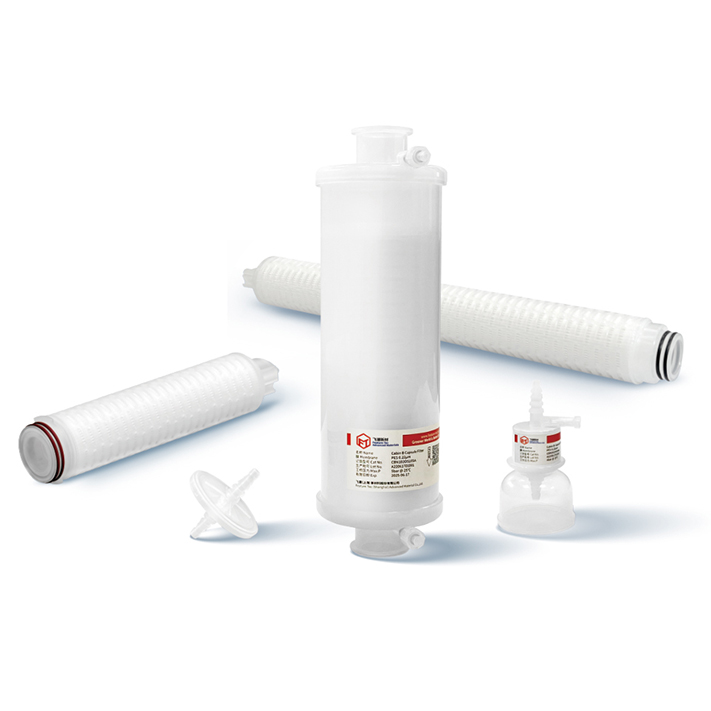
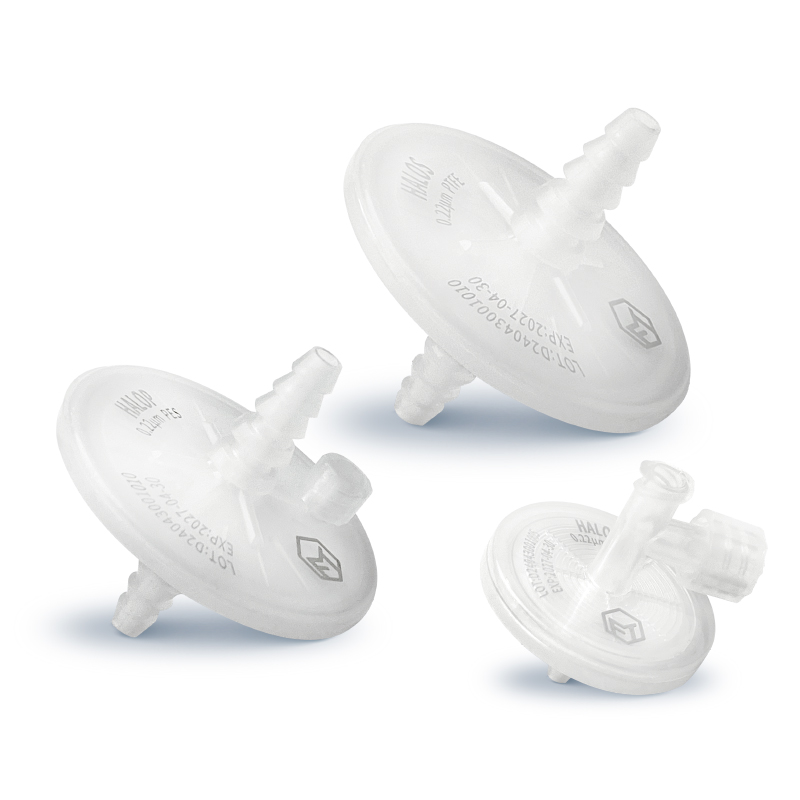
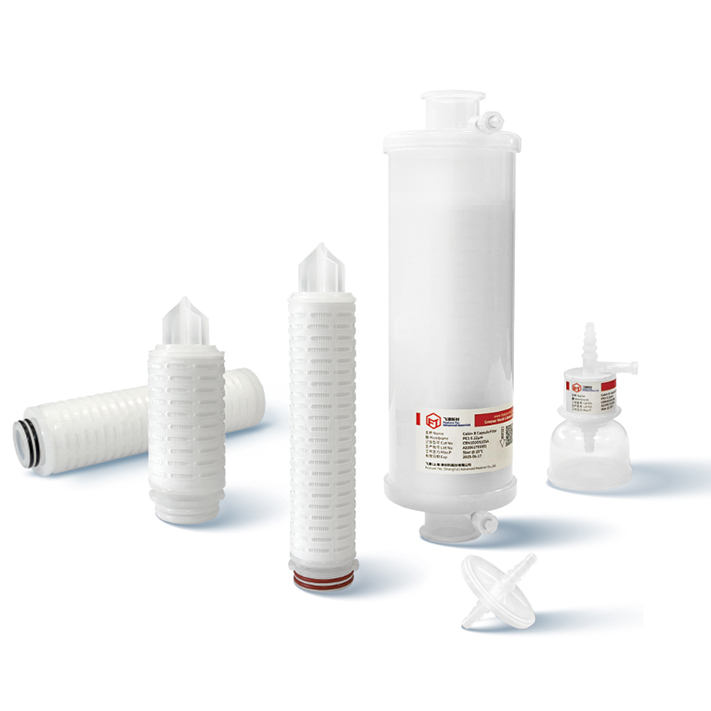
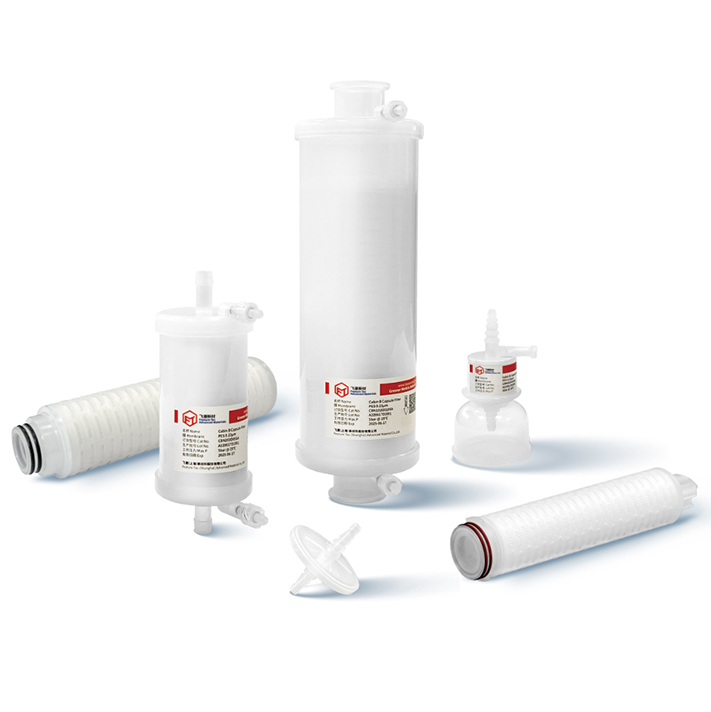
LOPAC INNOVEX SP series filters are made of modified polyethersulfone membrane (PES) with good hydrophilicity and low protein adsorption. They are suitable for sterilizing filtration of process fluid, buffer and column protection.
*The following content is generated by AI and is for reference only.
Industrial sterilizing filters are critical components designed to ensure the sterility of liquids and gases in sensitive manufacturing environments, particularly within pharmaceutical, biotechnology, and food processing industries. These high-efficiency filtration systems utilize hydrophobic membranes, typically made from polyvinylidene fluoride (PVDF) or polytetrafluoroethylene (PTFE), to remove microorganisms down to 0.2 microns while maintaining fluid flow rates. Their primary function is to provide a reliable barrier against bacterial contamination without altering the chemical composition or temperature of the product, making them indispensable for aseptic filling processes and gas sterilization applications.
The operational versatility of these units allows them to handle a wide range of viscosities and corrosive fluids. They are often employed as final sterilization steps before product packaging or as protective barriers for air intake lines in clean rooms. The robust construction ensures durability under varying pressure conditions, supporting both single-use and reusable configurations depending on the specific facility requirements.
However, several critical precautions must be observed during installation and operation. First, proper wetting is essential; dry filters must be thoroughly saturated with the process fluid or a compatible wetting agent prior to use to prevent channeling and ensure optimal retention efficiency. Second, operators must strictly adhere to maximum differential pressure limits to avoid membrane rupture, which could compromise sterility. Third, thermal compatibility is vital; users should verify that the filter material can withstand the sterilization method employed, whether it is autoclaving at elevated temperatures or exposure to harsh chemical agents. Furthermore, regular integrity testing, such as bubble point or diffusion tests, is mandatory after each sterilization cycle to confirm the structural integrity of the membrane. Improper handling, storage in non-sterile environments, or exceeding recommended flow rates can lead to premature failure. Adhering to these guidelines ensures consistent product safety and regulatory compliance across global manufacturing standards.





 (All Rights Reserved)