Product Description
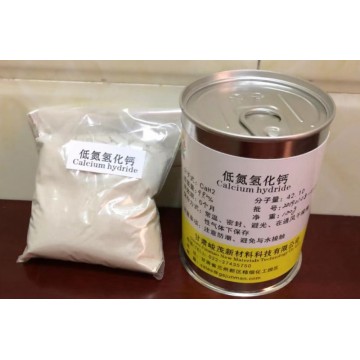
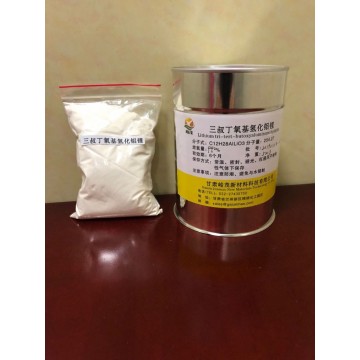
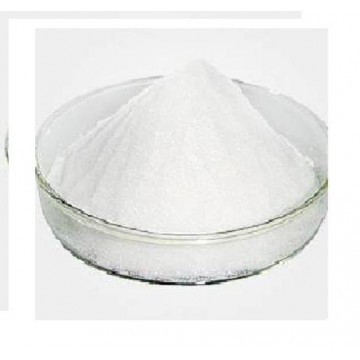
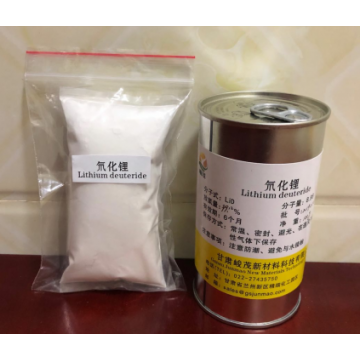
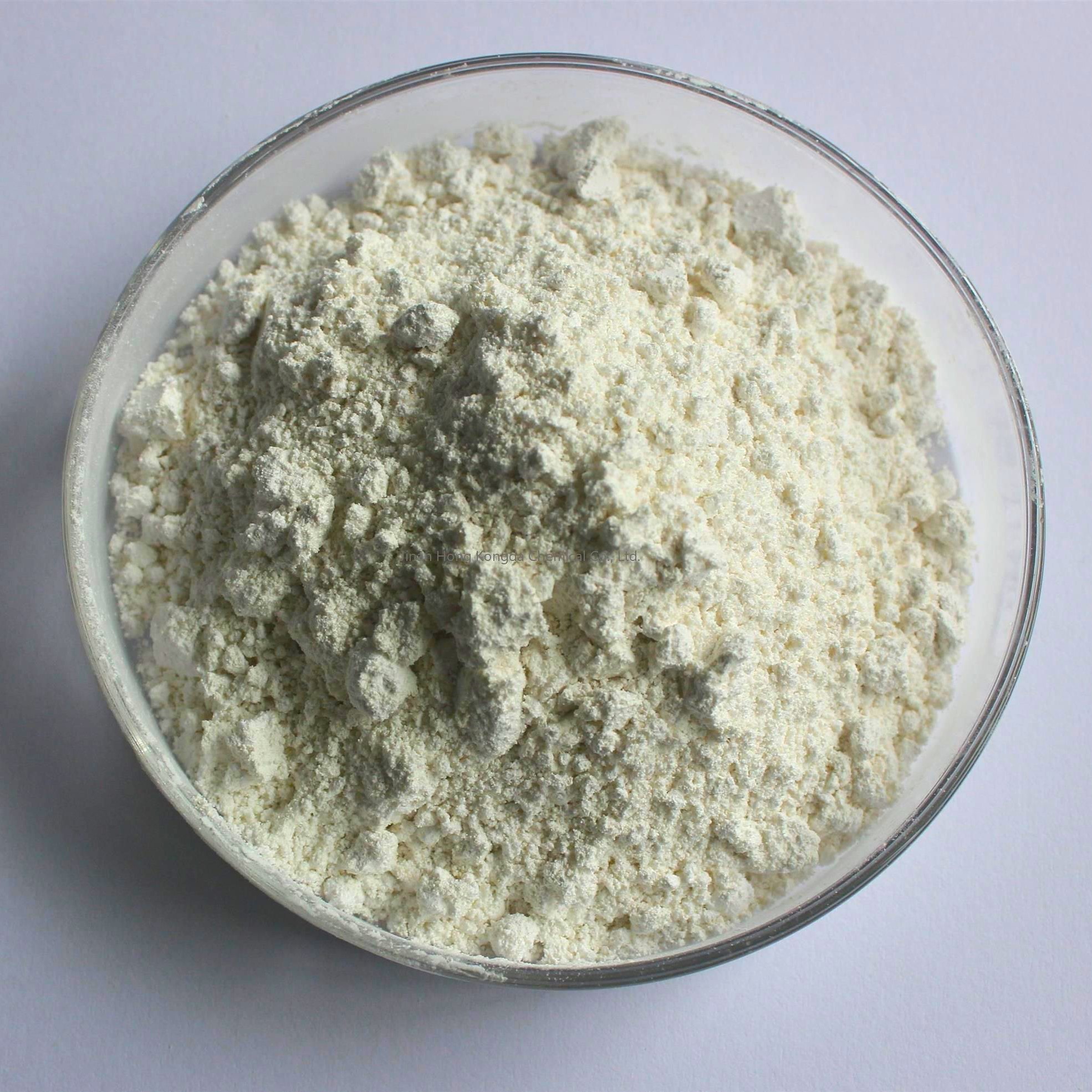
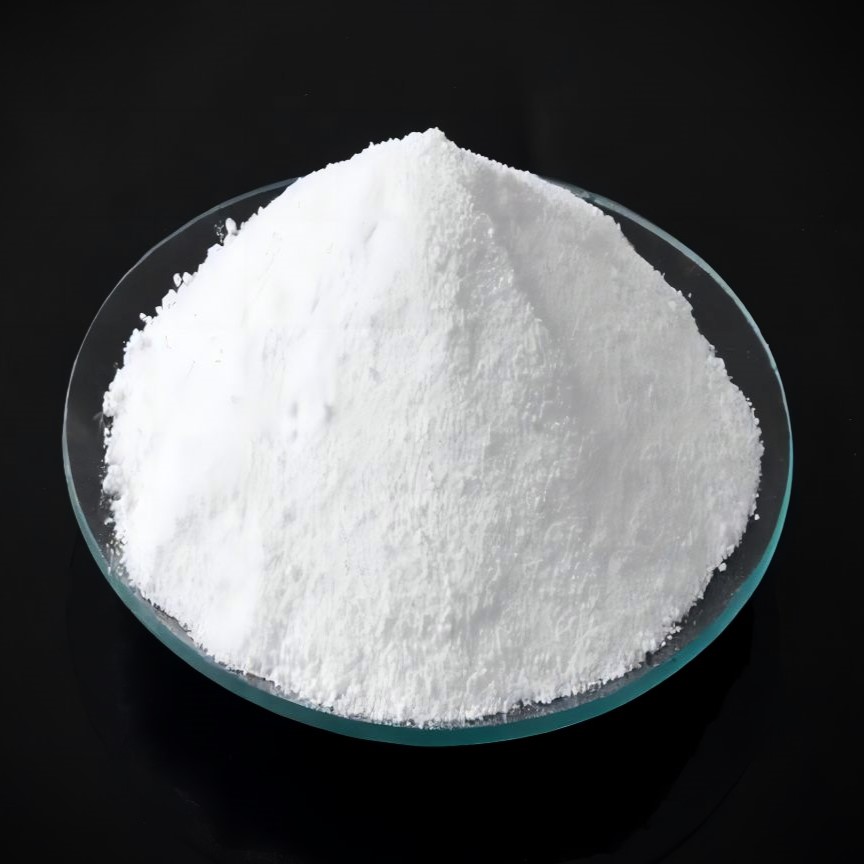
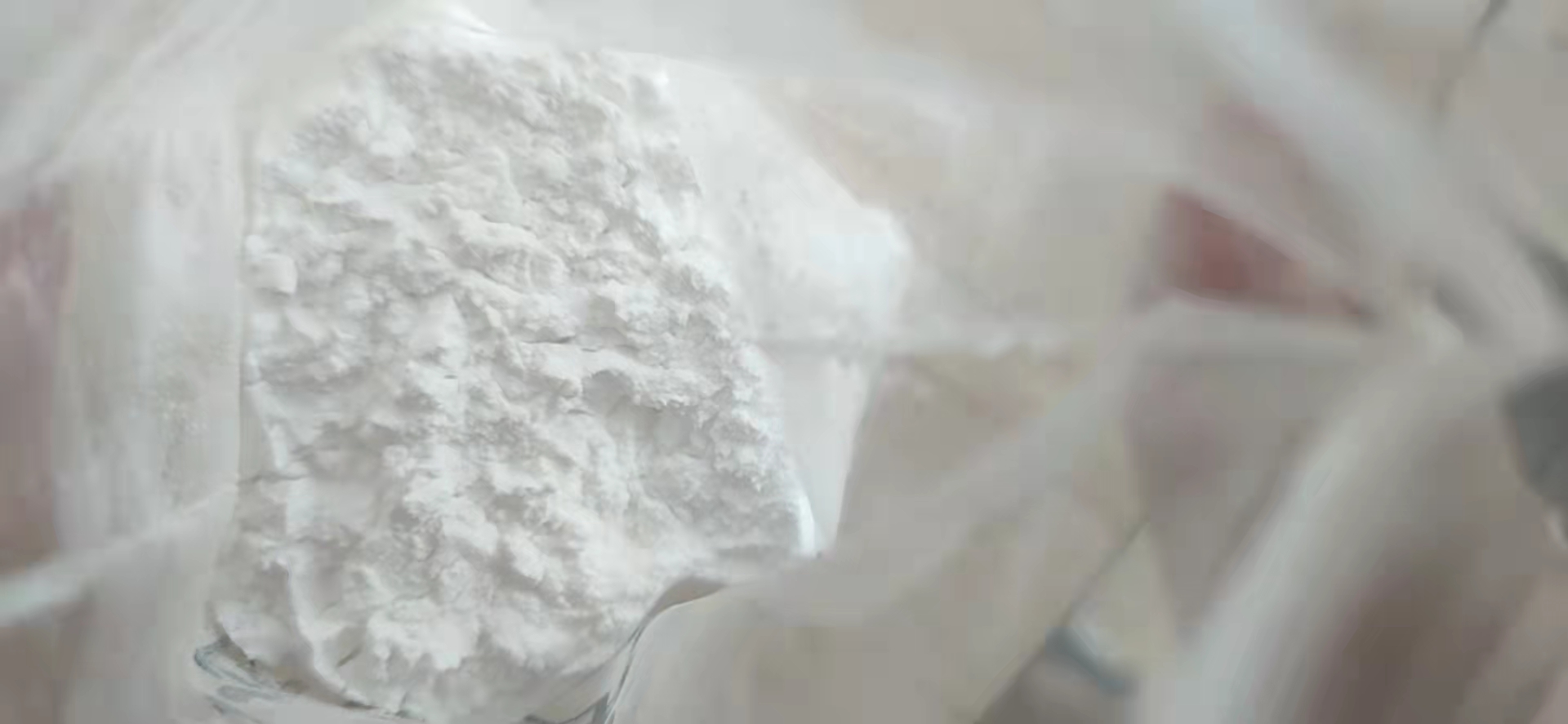
Appearance:White or almost white powder
Purity:≥98%
Properties:This poroduct is grey-white powder,density:0.716g/cm.It is stable at room temperature and pressure ,and reacts strongly with water .Avoid contact with moist air and acid .It should be storaged in no light and inert gas environment at room temperature.
Usage:For medicine、military industry、slectronics、nuclear industry。
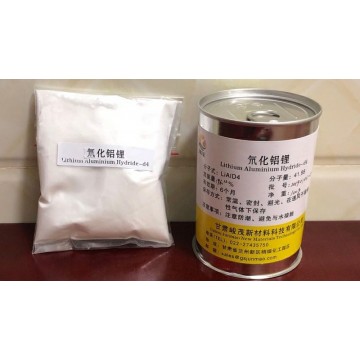
Packing: 5g/TIN;10g/TIN;50g/TIN;100g/Ting
AI Product Description
*The following content is generated by AI and is for reference only.
Lithium Aluminum Deuteride, commonly abbreviated as LiAlD4, is a powerful and specialized reducing agent widely utilized in organic synthesis laboratories. It serves as the deuterated analogue of Lithium Aluminum Hydride (LiAlH4), offering chemists a precise tool for introducing deuterium atoms into organic molecules without altering the fundamental reaction pathway. The molecular formula of this reagent is LiAlD4, reflecting its composition of one lithium atom, one aluminum atom, and four deuterium isotopes. Its corresponding CAS number is 12593-60-7. Unlike standard hydride reagents that introduce hydrogen, LiAlD4 facilitates the incorporation of deuterium, which is crucial for mechanistic studies, kinetic isotope effect experiments, and the synthesis of deuterated pharmaceuticals or isotopically labeled standards used in mass spectrometry.
The primary application of Lithium Aluminum Deuteride lies in the reduction of carbonyl compounds, including aldehydes, ketones, esters, carboxylic acids, and amides, to their corresponding deuterated alcohols or amines. This capability allows researchers to trace metabolic pathways or determine reaction mechanisms by observing how the introduction of a heavier isotope affects reaction rates and product distributions. Furthermore, it is indispensable in the production of deuterated drug candidates, where replacing specific hydrogen atoms with deuterium can improve metabolic stability and extend the half-life of therapeutic agents, a strategy known as the "deuterium switch."
Handling LiAlD4 requires strict adherence to safety protocols due to its high reactivity. It reacts violently with water, protic solvents, and air, releasing flammable deuterium gas and potentially causing fires or explosions. Consequently, all operations must be conducted under an inert atmosphere, typically using dry ether or tetrahydrofuran as solvents. While significantly more expensive than its non-deuterized counterpart due to the cost of deuterium sources, LiAlD4 remains an essential reagent in advanced chemical research, enabling precise isotopic labeling that drives innovation in medicinal chemistry and analytical science.





 (All Rights Reserved)