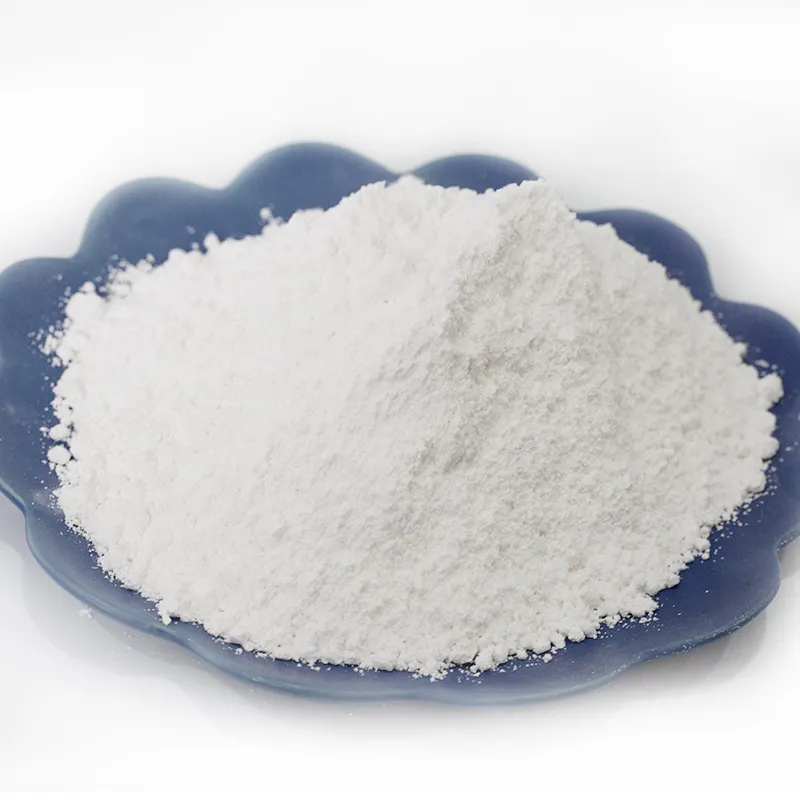
Product Description
Lincomycin Hydrochloride is a lincosamide antibiotic primarily used to treat infections caused by Gram-positive bacteria, especially Staphylococcus and Streptococcus species. It is commonly used in both human and veterinary medicine, particularly in injectable formulations. Our Lincomycin HCl complies with EP/BP standards, offering consistent quality and stable supply. Custom packaging and full documentation support are available.
AI Product Description
*The following content is generated by AI and is for reference only.
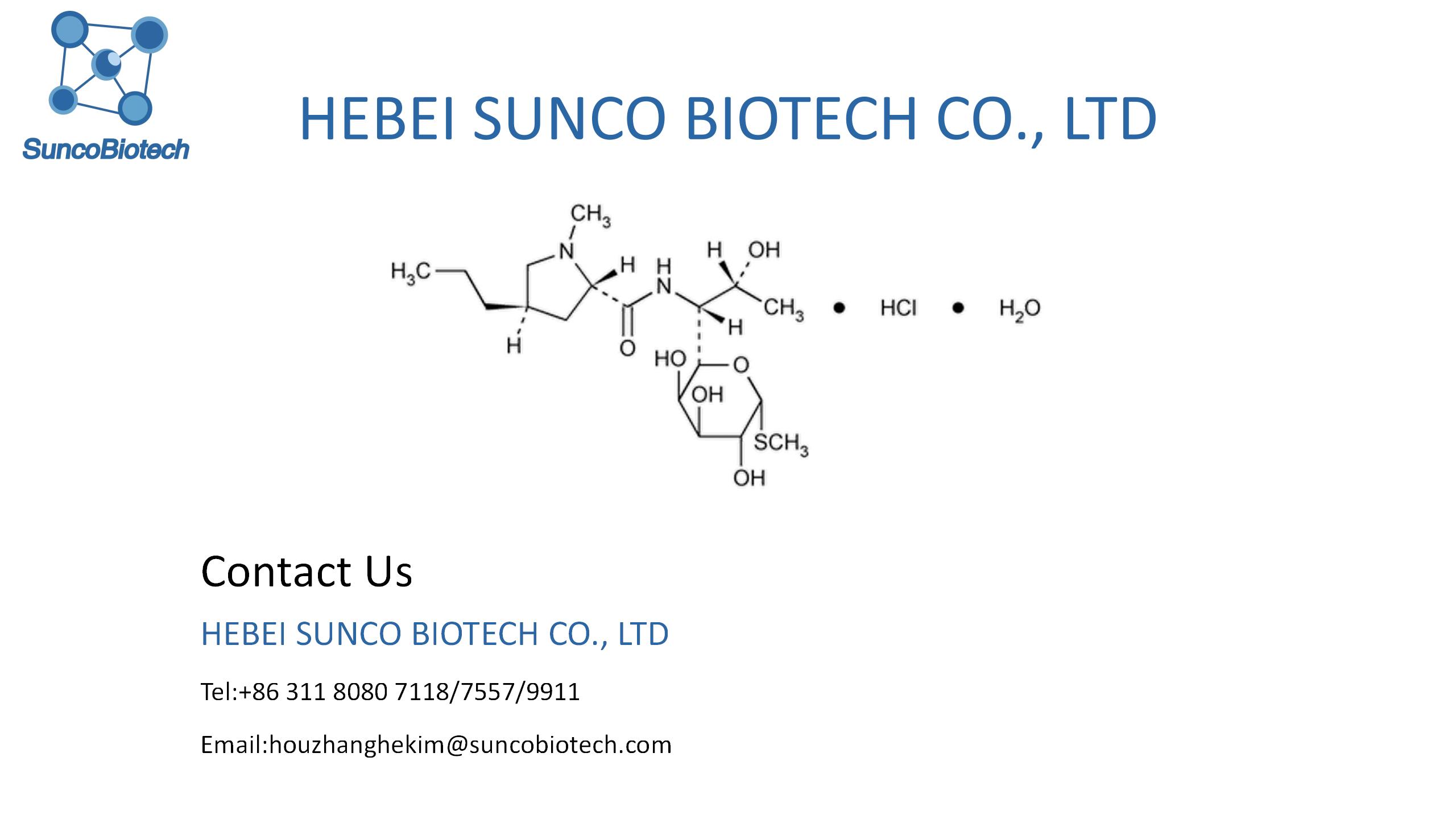
Lincomycin Hydrochloride, commonly known as Lincomycin HCl, is a semi-synthetic lincosamide antibiotic derived from the bacterium *Streptomyces lincolnensis*. Its chemical formula is C18H34N2O6S·HCl, and it is uniquely identified by the CAS number 157-40-8. This compound represents a critical therapeutic agent in both human medicine and veterinary practice, primarily utilized for its potent activity against Gram-positive bacteria and certain anaerobes.
The mechanism of action involves binding to the 50S subunit of the bacterial ribosome, thereby inhibiting protein synthesis and preventing bacterial growth. It is particularly effective against organisms such as *Staphylococcus aureus*, *Streptococcus* species, and various anaerobic clostridia. In clinical settings, Lincomycin HCl is frequently prescribed for serious infections including osteomyelitis, septicemia, and respiratory tract infections caused by susceptible strains. However, due to the emergence of resistance and the availability of newer agents like clindamycin, its use in humans has become more selective, often reserved for patients allergic to penicillin or when other treatments fail.
In the veterinary sector, this antibiotic remains widely employed to treat livestock and companion animals. It is extensively used to manage respiratory diseases in pigs, cattle, and poultry, as well as skin and soft tissue infections in dogs and cats. The hydrochloride salt form ensures high solubility in water, facilitating administration via injection, oral solutions, or feed additives. Despite its efficacy, clinicians must monitor for potential side effects, most notably gastrointestinal disturbances such as diarrhea, nausea, and vomiting. In rare but severe cases, it can precipitate pseudomembranous colitis caused by *Clostridioides difficile*. Furthermore, cross-resistance with clindamycin is common, necessitating careful susceptibility testing before initiation of therapy. Regulatory agencies worldwide strictly control its distribution to mitigate antimicrobial resistance. Overall, Lincomycin HCl continues to serve as an essential tool in the global arsenal against bacterial pathogens, balancing broad-spectrum utility with the need for prudent stewardship.





 (All Rights Reserved)