Product Description
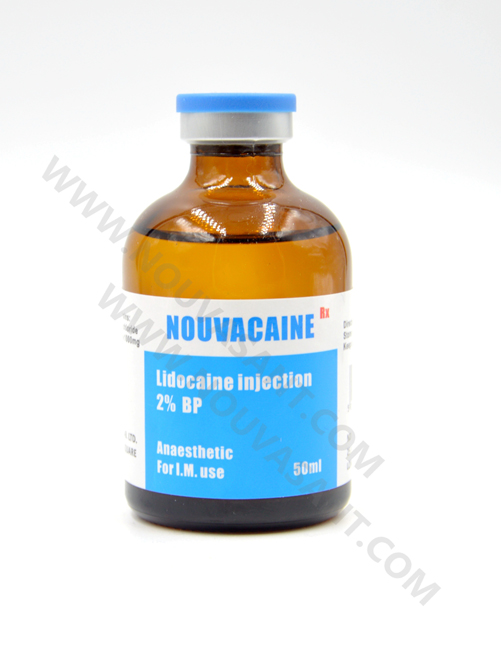
Lidocaine is a local anaesthetic of the amide group. The injectable form has a wide range of applications for nerve blockade. It can be used by percutaneous infiltration; to block a major nerve plexus such as the brachial; for epidural anaesthesia; for intravenous regional analgesia.
AI Product Description
*The following content is generated by AI and is for reference only.
Lidocaine Injection 2% (50 mL) is a widely used local anesthetic and antiarrhythmic agent belonging to the amide class. Primarily, it functions by blocking voltage-gated sodium channels in neuronal membranes, thereby inhibiting the initiation and conduction of nerve impulses. This mechanism provides rapid onset and effective duration of action for various medical procedures. In clinical practice, this formulation is extensively utilized for local anesthesia during minor surgical interventions, dental procedures, wound suturing, and nerve blocks. It effectively numbs specific body areas without causing systemic unconsciousness.
Beyond its anesthetic properties, intravenous administration of Lidocaine 2% serves as a critical therapeutic option for managing acute ventricular arrhythmias, such as ventricular tachycardia or fibrillation, particularly when other treatments are ineffective. The 50 mL vial concentration allows for precise dosing tailored to patient weight and clinical needs, ensuring safety and efficacy across diverse scenarios.
However, several crucial precautions must be observed. The most significant risk associated with lidocaine is toxicity, which can manifest as central nervous system symptoms like dizziness, tinnitus, seizures, or respiratory depression, alongside cardiovascular effects including hypotension and bradycardia. Dosage must strictly adhere to maximum recommended limits to prevent overdose, especially in patients with liver impairment, heart failure, or those taking interacting medications like beta-blockers. Allergic reactions, though rare among amide anesthetics, require immediate vigilance.
Furthermore, epinephrine-containing formulations should be used with caution in patients with uncontrolled hypertension or hyperthyroidism. Pregnant or breastfeeding women require careful evaluation before use. Proper aspiration prior to injection is essential to avoid inadvertent intravascular administration. Medical professionals must monitor vital signs continuously during administration. Storage should occur at controlled room temperature, protected from light. Ultimately, while Lidocaine Injection 2% is a versatile and life-saving medication, its safe application depends on strict adherence to dosage guidelines, patient assessment, and vigilant monitoring for adverse reactions.



 (All Rights Reserved)