Product Description
Levofloxacin is used to treat infections including: respiratory tract infections, cellulitis, urinary tract infections, prostatitis, anthrax, endocarditis, meningitis, pelvic inflammatory disease, traveler's diarrhea, tuberculosis, and plague and is available by mouth, intravenously and in eye drop form.
AI Product Description
*The following content is generated by AI and is for reference only.
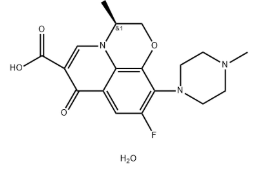
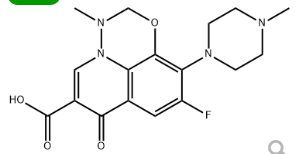
Levofloxacin Hemihydrate is the hemihydrate salt form of Levofloxacin, a broad-spectrum fluoroquinolone antibiotic derived from Ofloxacin. It serves as a critical therapeutic agent in modern medicine for treating a wide array of bacterial infections. The chemical formula of Levofloxacin Hemihydrate is C18H20FN3O4·0.5H2O, and it is identified by the CAS number 116938-72-8. This compound represents the pure L-enantiomer of racemic Ofloxacin, offering significantly higher antibacterial potency with reduced toxicity compared to its parent compound.
The primary mechanism of action involves the inhibition of bacterial DNA gyrase and topoisomerase IV, essential enzymes required for DNA replication, transcription, repair, and recombination. By disrupting these processes, Levofloxacin effectively halts bacterial growth and leads to cell death. Its clinical utility spans various infection types, including community-acquired pneumonia, acute bacterial sinusitis, complicated urinary tract infections, pyelonephritis, skin and soft tissue infections, and chronic bacterial prostatitis. Additionally, it is frequently employed in the treatment of anthrax exposure following inhalation.
Due to its excellent bioavailability after oral administration and favorable pharmacokinetic profile, Levofloxacin Hemihydrate allows for once-daily dosing regimens, enhancing patient compliance. It demonstrates high tissue penetration, reaching effective concentrations in lungs, kidneys, and prostatic fluid. However, its use requires careful monitoring due to potential side effects such as tendonitis, QT prolongation, and central nervous system disturbances. As a semisynthetic antibiotic, it remains a cornerstone in combating multidrug-resistant pathogens, though stewardship is crucial to mitigate the rising threat of resistance. In pharmaceutical manufacturing, the hemihydrate form is preferred for its stability and solubility characteristics during tablet compression and solution preparation.






 (All Rights Reserved)