Product Description
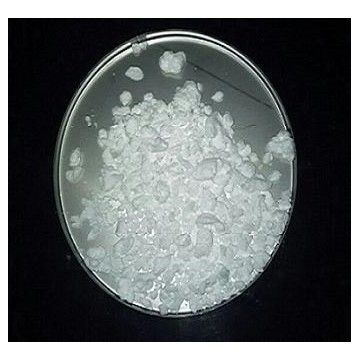
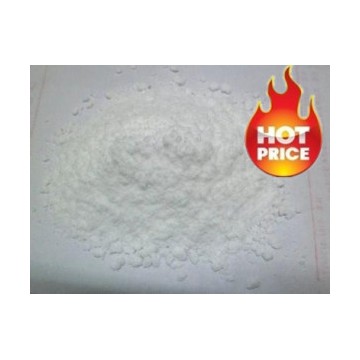
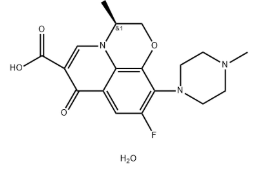
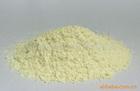
Description:Slight yellow crystalline powder odourless and taste bitter Identification: Positive reactionClarity & Colour: ConfirmAssay (HPLC) , %: 98.5 MinSpecific rotation [a]20D:-95 o ~ -103 oLimit nf(R)-oflx , %: 1.0 MaxRelated substance , %: 0.5 MaxLoss on drying , %: 3.0 MaxResidue on ignition : % 0.2 MaxHeavy metals , ppm: 20 Max
AI Product Description
*The following content is generated by AI and is for reference only.
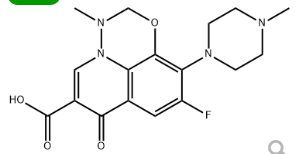
Levofloxacin is a broad-spectrum fluoroquinolone antibiotic widely utilized in modern clinical practice for the treatment of various bacterial infections. Its molecular formula is C18H20FN3O4, and it is identified by the CAS Registry Number 100986-85-4. This compound represents the L-enantiomer of ofloxacin, offering superior potency and a more favorable safety profile compared to its racemic counterpart. Levofloxacin functions by inhibiting bacterial DNA gyrase and topoisomerase IV, essential enzymes required for DNA replication, transcription, repair, and recombination. By disrupting these processes, the drug effectively halts bacterial growth, making it bactericidal against a wide range of Gram-positive and Gram-negative pathogens.
Clinically, Levofloxacin is prescribed for respiratory tract infections, including community-acquired pneumonia, acute bacterial sinusitis, and exacerbations of chronic bronchitis. It is also highly effective in treating urinary tract infections, skin and soft tissue infections, and complicated intra-abdominal infections. Furthermore, it serves as a critical alternative for patients with specific allergies to beta-lactam antibiotics or for treating anthrax exposure post-exposure. The drug is available in both oral tablet and intravenous injection formulations, allowing for flexible dosing strategies that facilitate seamless transitions between routes of administration.
Despite its efficacy, Levofloxacin usage requires careful consideration due to potential adverse effects such as tendonitis, peripheral neuropathy, QT prolongation, and central nervous system disturbances. Consequently, regulatory agencies advise restricting its use to cases where no safer alternatives exist, particularly in pediatric populations, unless the benefits clearly outweigh the risks. Proper hydration and monitoring are recommended during therapy to mitigate renal toxicity. Overall, Levofloxacin remains a cornerstone agent in antimicrobial stewardship programs, providing a powerful tool against multidrug-resistant organisms when used judiciously according to established medical guidelines and susceptibility patterns.





 (All Rights Reserved)