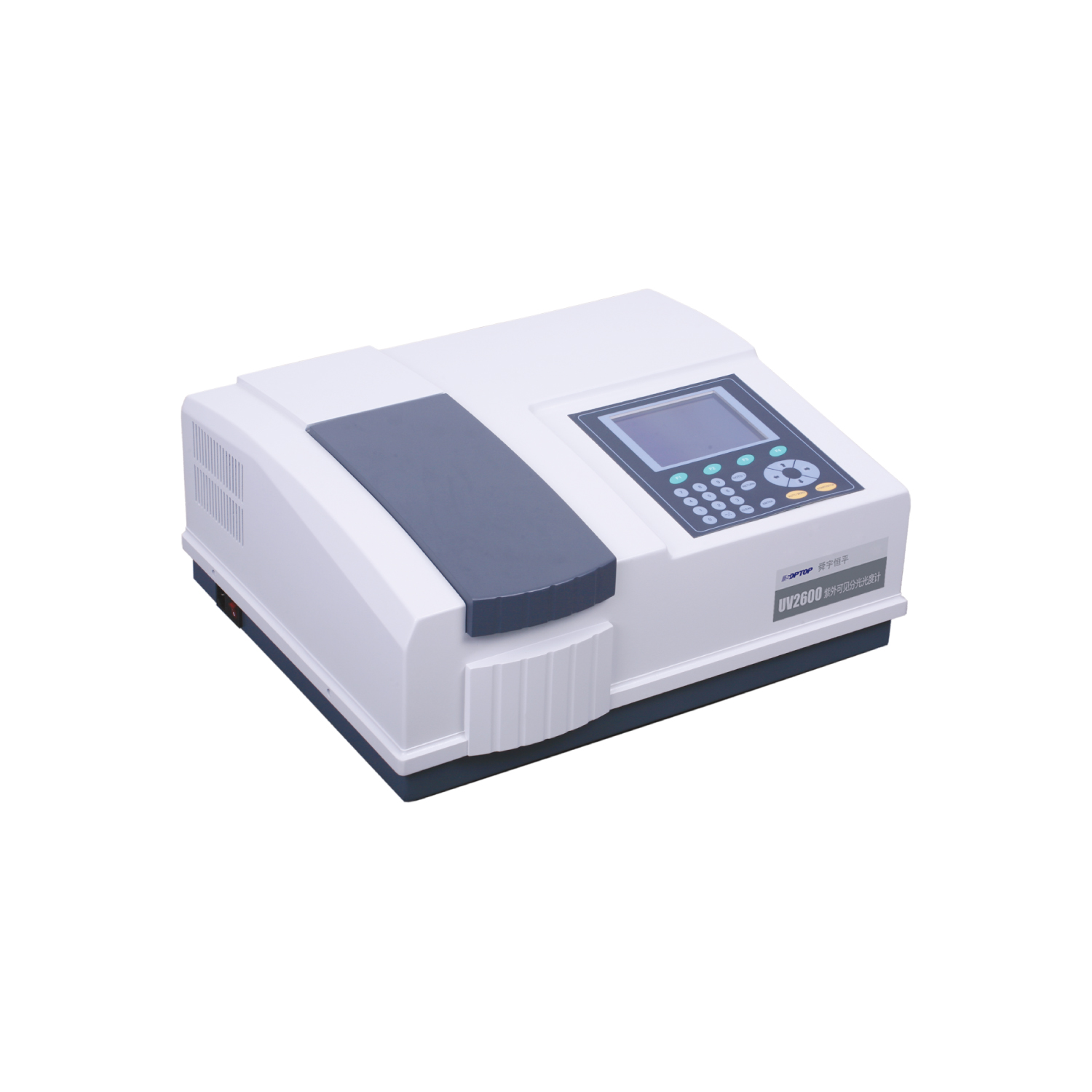
Product Description
Specification
Laser Wavelength | 1064nm |
Laser Output Power | ≤500mW |
Spectral Range | 200-2500cm-1 |
Spectral Resolution | <14cm-1@1262.339nm |
Connectivity | Bluetooth and Wifi |
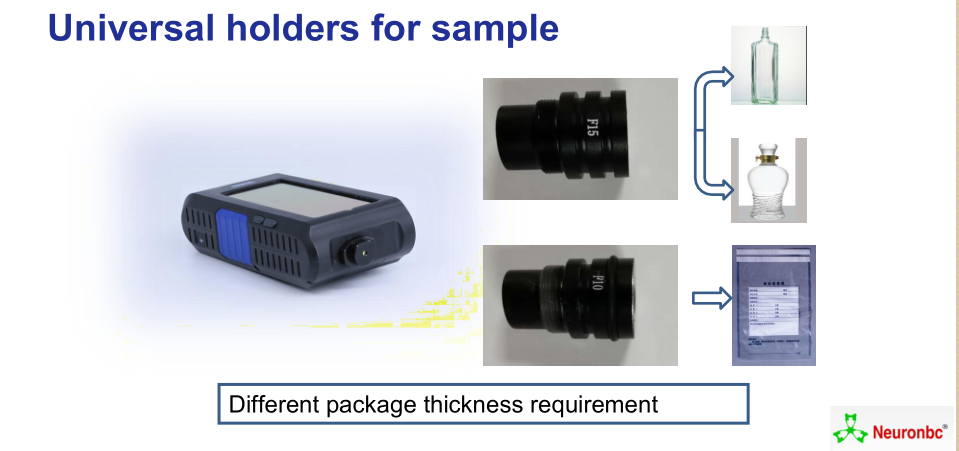
Collection | Optics 10mm and 15mm focus lens |
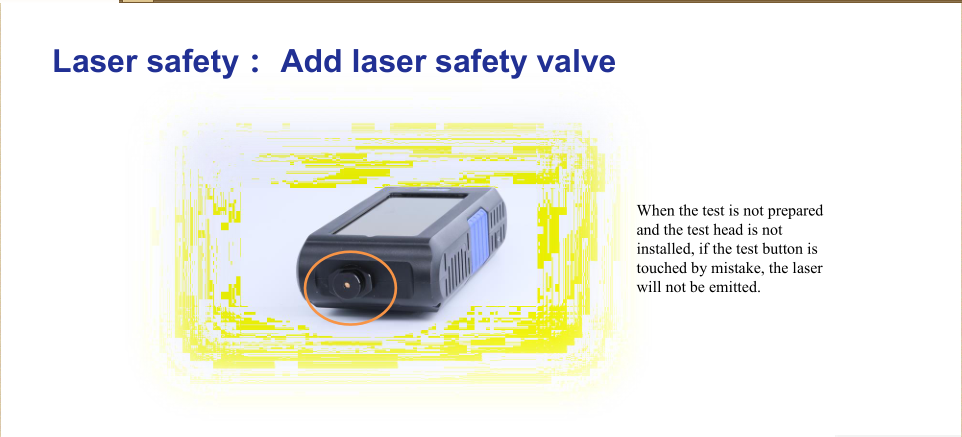
Laser Class | Class 3B |
Weight | 1.2Kg |
Size | 19.8*9.9*5.2cm |
AI Product Description
*The following content is generated by AI and is for reference only.
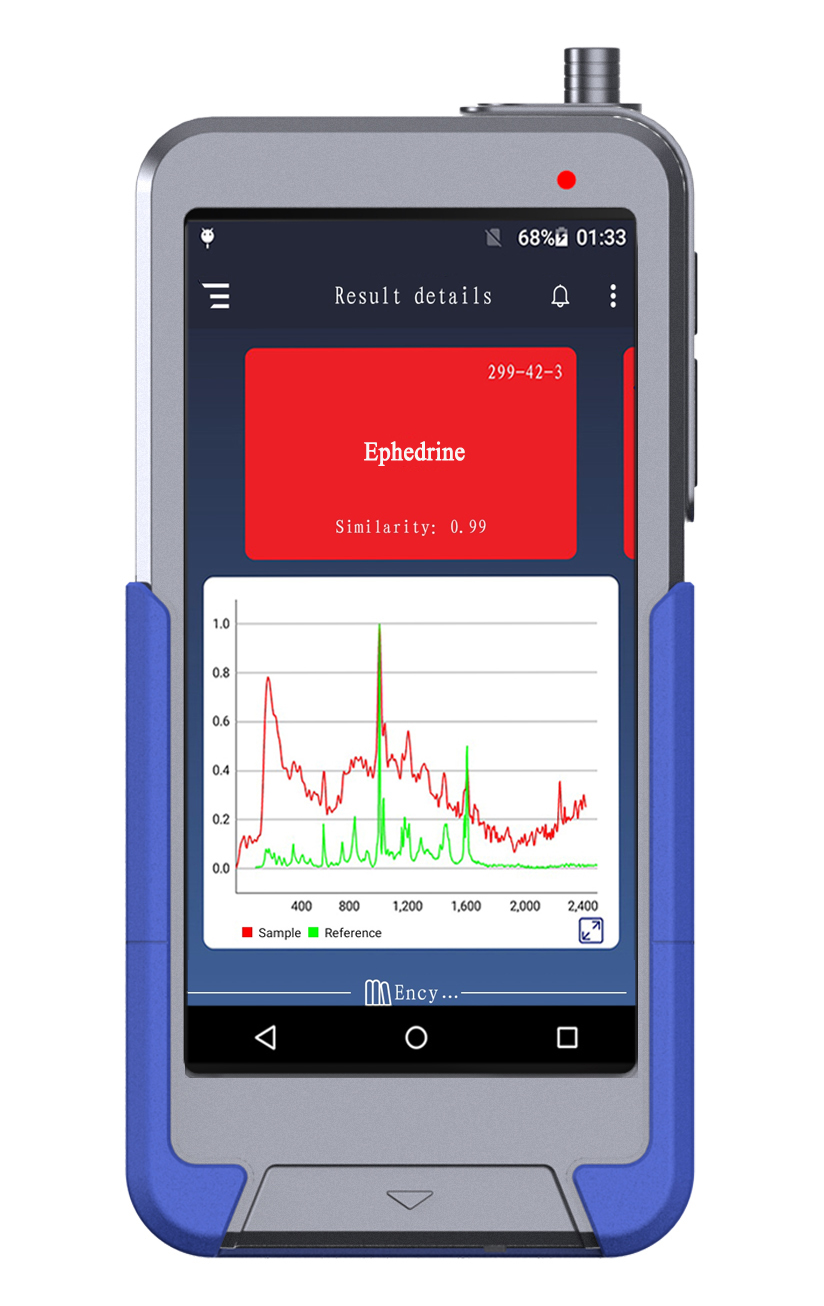
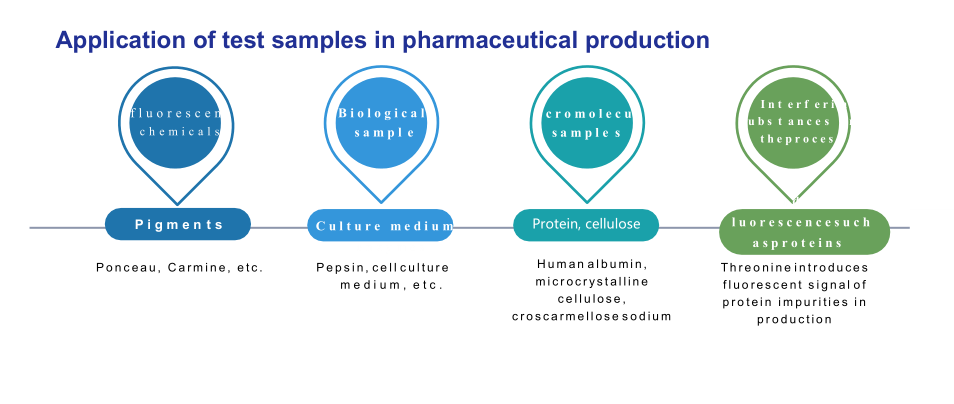
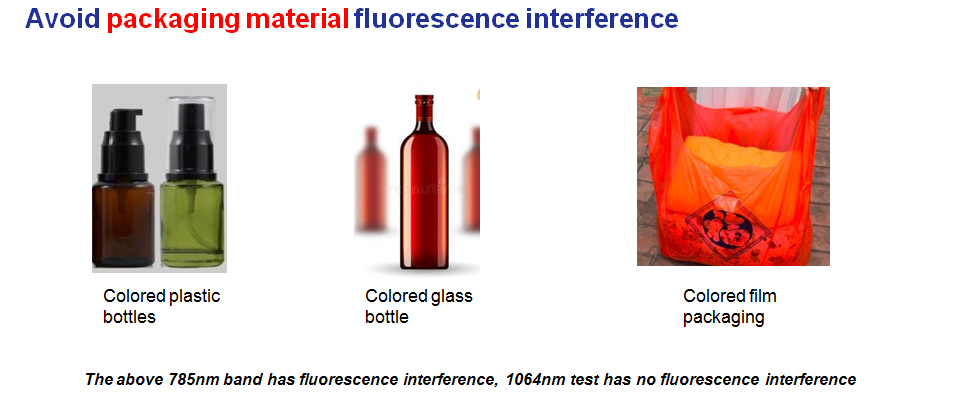
Handheld Raman spectrometers represent a significant advancement in portable analytical technology, offering rapid, non-destructive identification of materials directly in the field. These devices utilize laser excitation to induce molecular vibrations, generating unique spectral fingerprints that allow for precise chemical characterization without sample preparation. While specific configurations vary, modern units typically employ near-infrared lasers, such as those operating at 1064 nanometers, which are particularly effective for analyzing dark or fluorescent samples where visible light might cause interference. This capability makes them indispensable across diverse sectors including pharmaceutical quality control, hazardous material detection, forensic science, and mineral exploration.
In operational settings, these instruments enable first responders to instantly identify unknown powders or liquids during security screenings, significantly reducing response times and enhancing safety protocols. Similarly, geologists can determine rock compositions on-site, eliminating the need for time-consuming laboratory transport. The handheld form factor ensures mobility, allowing technicians to access confined spaces or remote locations with ease. However, several critical precautions must be observed during usage. Operators should strictly adhere to laser safety guidelines, ensuring no direct eye exposure occurs, even though Class 1 or Class 2 ratings often apply when used correctly. Additionally, while the technology is robust, extreme temperatures, high humidity, or physical shocks can affect performance; thus, regular calibration against known standards is essential to maintain data accuracy.
Furthermore, users must be aware that certain highly reflective surfaces or strong ambient light sources may introduce noise into the spectrum. Proper training is required to interpret complex spectral data correctly, distinguishing between similar compounds based on subtle peak variations. Ultimately, these portable analyzers bridge the gap between laboratory precision and field practicality, empowering professionals to make informed decisions in real-time. By combining advanced optical engineering with user-friendly interfaces, they continue to redefine standards for on-site material analysis globally.





 (All Rights Reserved)