Product Description
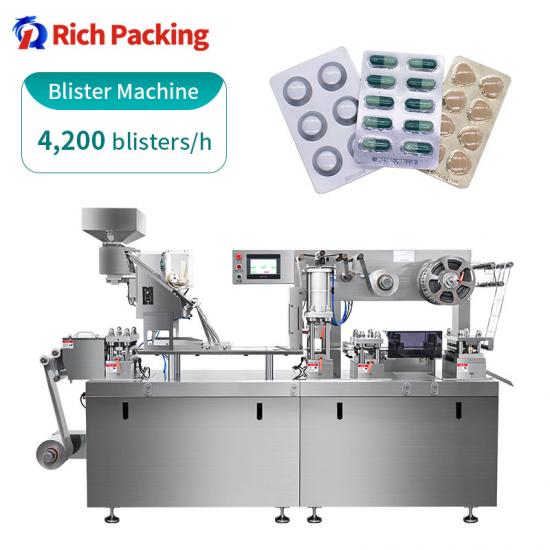
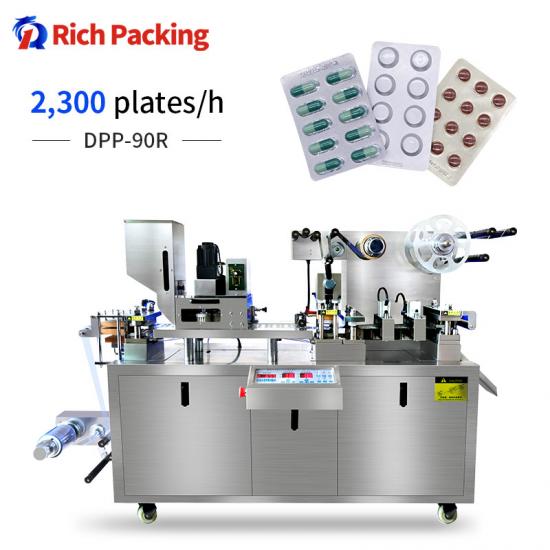
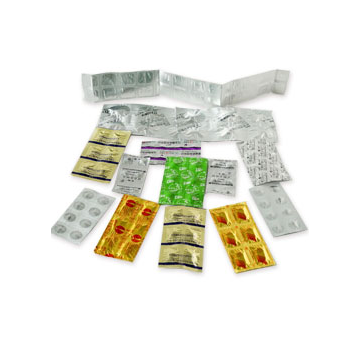
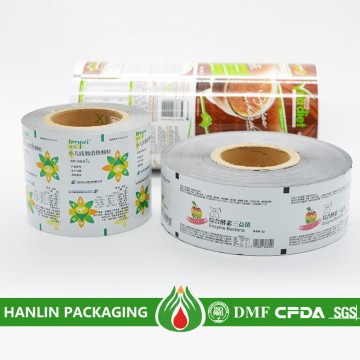
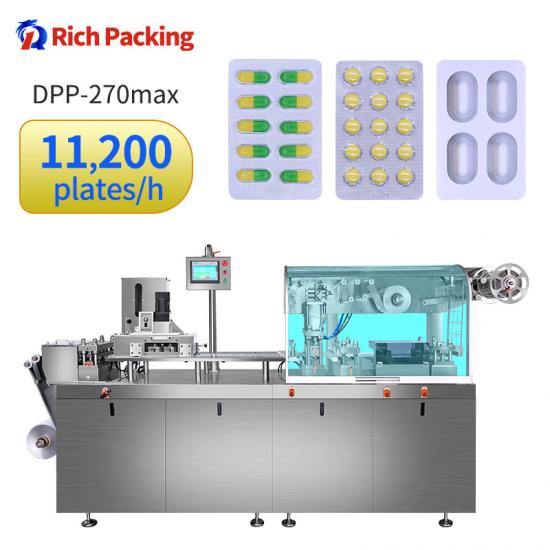
DPP-270max fully automatic blister packaging machine: opening a new chapter in pharmaceutical packaging. At the forefront of digging into the field of pharmaceutical packaging, we proudly introduce the fully automatic blister packaging machine DPP-270max. Insightful into the possibilities of future packaging, our team of experts developed this ground-breaking product. Whether in terms of speed, performance or innovation, the DPP-270max sets a new benchmark for pharmaceutical packaging.
AI Product Description
*The following content is generated by AI and is for reference only.
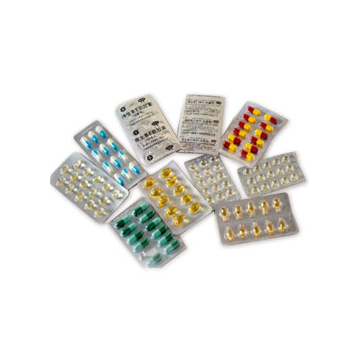
The DPP-270max is a high-performance automatic blister packing machine specifically engineered for the pharmaceutical and healthcare industries. Its primary function is to efficiently form, fill, seal, and cut plastic blister packs containing tablets, capsules, or other solid oral dosage forms. This model represents an advanced iteration of the standard DPP series, designed to meet rigorous international manufacturing standards such as GMP (Good Manufacturing Practice). The machine utilizes a rotary forming process where PVC or PVDC films are heated and shaped into cavities using precision molds. Once formed, the product is automatically loaded into these cavities before being sealed with aluminum foil under controlled heat and pressure. A key feature of the DPP-270max is its ability to handle various packaging formats and speeds, making it suitable for both small-batch production runs and large-scale commercial operations.
Operational safety and maintenance are critical when utilizing this equipment. Operators must strictly adhere to all lockout/tagout procedures during cleaning or mold changes to prevent accidental activation. Regular inspection of heating elements, sealing jaws, and pneumatic systems is essential to ensure consistent package integrity and prevent contamination. It is vital to monitor temperature settings precisely, as deviations can lead to poor seals or damaged products. Furthermore, only authorized personnel should access the internal mechanisms while the machine is running. Proper training on emergency stop functions and routine lubrication schedules ensures long-term reliability. The machine also features advanced sensors to detect missing pills or defective seals, automatically rejecting non-compliant units to maintain quality control. By integrating these safety protocols and maintenance routines, manufacturers can maximize throughput while ensuring patient safety and regulatory compliance in their pharmaceutical packaging processes.





 (All Rights Reserved)