Product Description
Whether to import
no
model
Lysine
brand
Huayang
Classification
Amino acid
Effective substance content
98.5 (%)
Product specifications
98.5%, 65%
The main purpose
Used as a food additive
CAS
56-87-1
product name
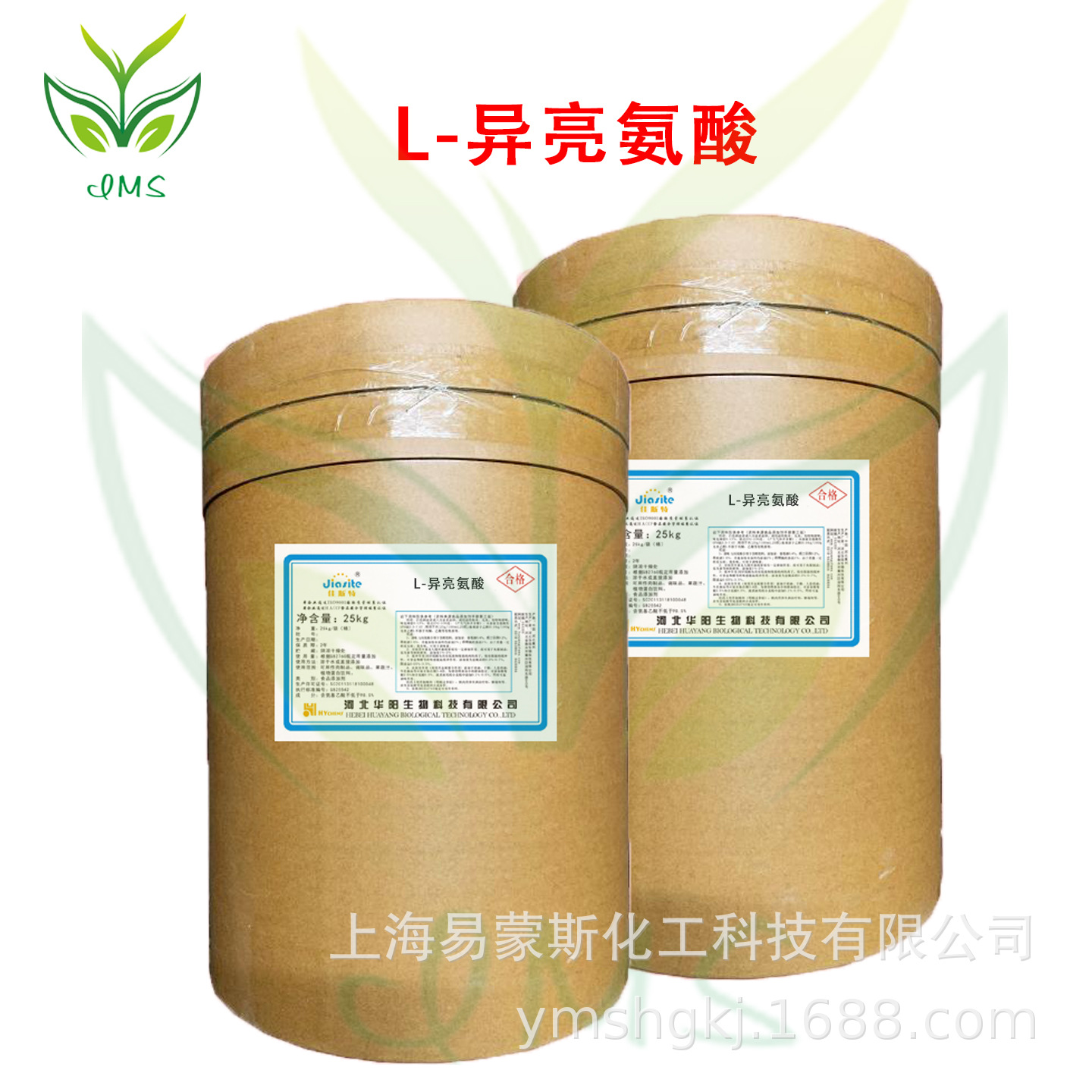
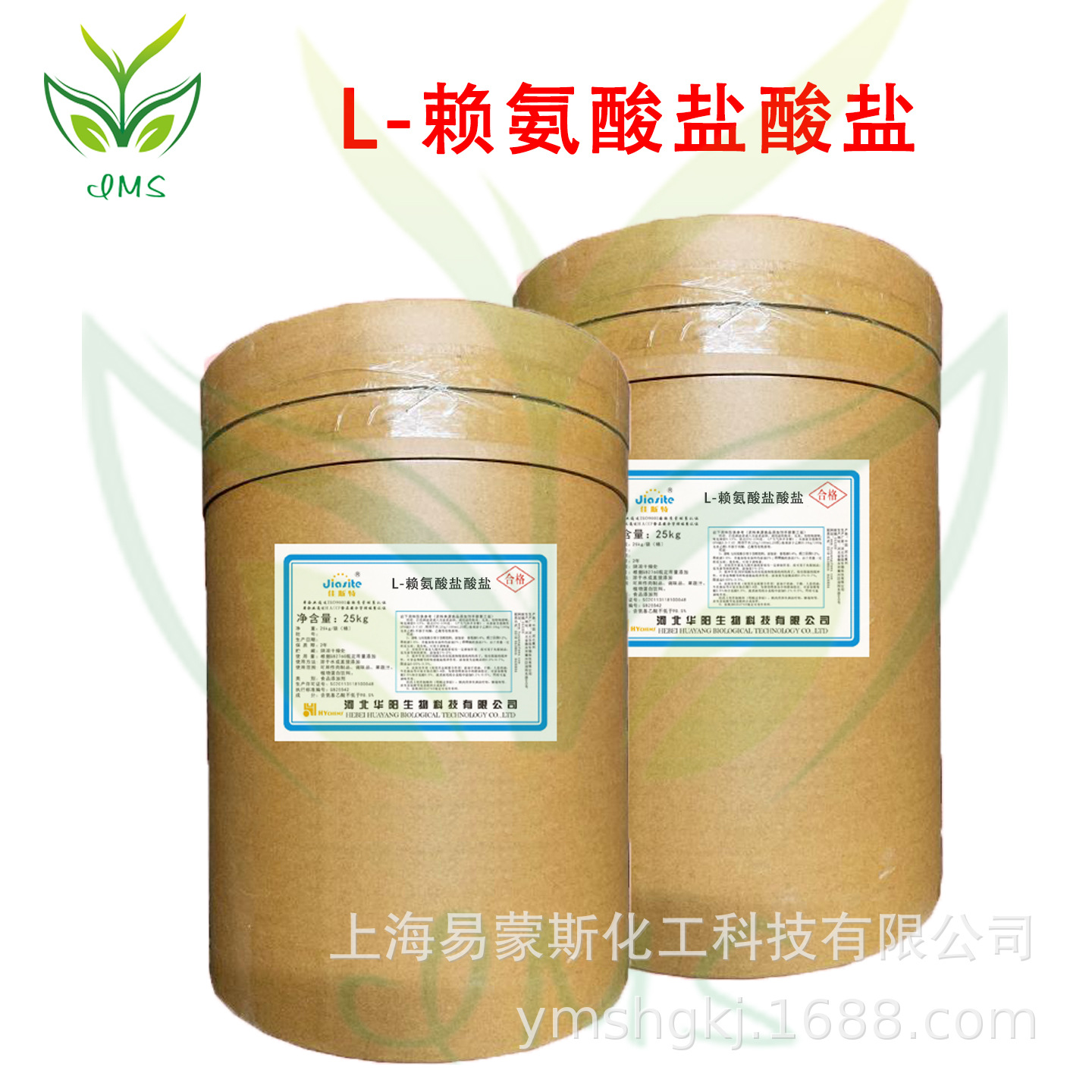
High quality food grade L-lysine hydrochloride
special service
Cash on delivery
Level
Food grade
Executive standard
GB
AI Product Description
*The following content is generated by AI and is for reference only.
L-Lysine Hydrochloride is a highly soluble, crystalline form of the essential amino acid L-lysine. As an indispensable building block for protein synthesis, it plays a critical role in numerous biological processes within the human body and various industrial applications. In the pharmaceutical sector, this compound is primarily utilized as a nutritional supplement to treat lysine deficiency, which can arise from malnutrition or specific metabolic disorders. It supports calcium absorption, aids in collagen formation, and contributes significantly to immune system function and tissue repair. Clinically, it is often employed in managing herpes simplex outbreaks by inhibiting viral replication, offering a non-invasive therapeutic option for recurrent infections.
Beyond healthcare, L-Lysine Hydrochloride serves as a vital additive in animal feed formulations. Livestock and poultry require adequate lysine levels for optimal growth, muscle development, and feed efficiency. Supplementation ensures balanced nutrition, reducing waste and enhancing overall productivity in agriculture. The hydrochloride salt form is preferred over free-base lysine due to its superior stability, solubility in water, and ease of incorporation into liquid feeds, tablets, and granules without altering pH levels significantly.
Safety considerations are paramount when handling this substance. While generally recognized as safe (GRAS) for consumption at recommended dosages, excessive intake may lead to gastrointestinal discomfort, including nausea, diarrhea, and abdominal cramps. Individuals with kidney or liver impairment should consult medical professionals before use, as impaired organs may struggle to process high protein loads. Furthermore, proper storage is essential; the product must be kept in a cool, dry place away from direct sunlight and moisture to prevent degradation or caking. Industrial handlers should wear appropriate personal protective equipment, such as gloves and eye protection, to avoid skin or eye irritation during bulk handling. Always adhere to local regulatory guidelines regarding labeling, dosage limits, and quality control standards to ensure safety and efficacy across all application fields.




 (All Rights Reserved)