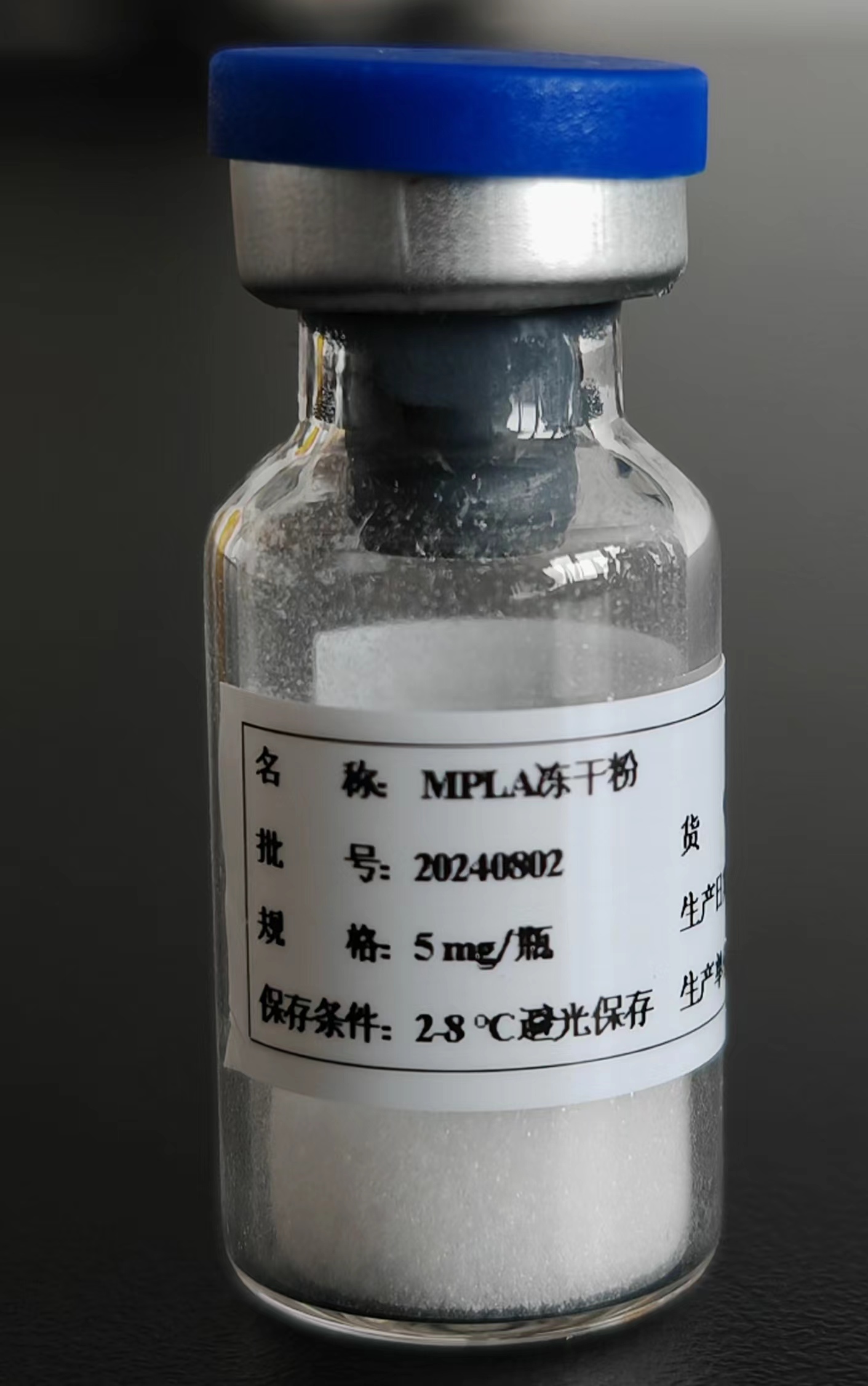
Product Description
please call me , to know more
AI Product Description
*The following content is generated by AI and is for reference only.
L-(+)-Arabinose, a naturally occurring monosaccharide belonging to the pentose family, is widely utilized across pharmaceutical, food, and biotechnological sectors. As an enantiomer of D-arabinose, it serves as a critical chiral building block in the synthesis of complex organic molecules, particularly nucleoside analogs used in antiviral and anticancer therapies. Its unique stereochemical configuration allows for precise molecular engineering, making it indispensable in developing potent drugs such as zalcitabine and stavudine, which combat HIV replication. In the food industry, L-arabinose functions as a low-calorie sweetener and a functional ingredient that inhibits sucrose absorption. By blocking the enzyme sucrase, it helps regulate postprandial blood glucose levels, offering significant benefits for diabetic management and weight control strategies without compromising taste profiles.
Beyond its metabolic applications, this compound plays a pivotal role in industrial biotechnology as a carbon source for specific microbial strains used in fermentation processes. Researchers leverage its properties to produce biofuels, organic acids, and specialty chemicals through engineered pathways. Furthermore, L-(+)-Arabinose acts as a substrate in analytical chemistry for studying carbohydrate metabolism and enzymatic kinetics. Safety protocols dictate that while generally recognized as safe (GRAS) for consumption, handling the pure chemical form requires standard laboratory precautions. Operators should wear appropriate personal protective equipment, including gloves and safety goggles, to prevent skin or eye irritation upon contact. Storage must occur in a cool, dry environment away from direct sunlight and moisture to maintain stability and prevent degradation into unwanted byproducts. It is crucial to ensure proper ventilation during large-scale processing to avoid dust accumulation. Although non-toxic under normal conditions, ingestion of excessive amounts may cause mild gastrointestinal discomfort in sensitive individuals. Regulatory compliance with local food safety standards and occupational health guidelines is mandatory for all commercial applications. Overall, L-(+)-Arabinose represents a versatile and valuable resource bridging advanced medical research with sustainable industrial practices, driving innovation in health and nutrition sectors globally.



 (All Rights Reserved)