1) Improves feed conversion ratio and promoting growth
2) Prevents swine from mycoplasmas pneumonia, bacterial pneumonia, atrophic rhinitis and the dysentery and enteritis caused by the spirochaeta, clostridia campylobacter coli and intracellular parasitic bacteria.
Administration:Mixing with feed directly, then feed the animal.
*The following content is generated by AI and is for reference only.
Kitasamycin 10% is a semi-synthetic macrolide antibiotic derivative, primarily utilized in research and veterinary medicine contexts. While often associated with the broader class of ketolides or modified macrolides, it serves as a potent inhibitor of bacterial protein synthesis. The compound functions by binding reversibly to the 50S ribosomal subunit of susceptible bacteria, thereby blocking the translocation step during peptide chain elongation. This mechanism effectively halts bacterial growth, making it particularly valuable against Gram-positive organisms, including certain strains of Streptococcus and Staphylococcus that may exhibit resistance to earlier generation macrolides.
The specific "10%" designation typically refers to the concentration of the active pharmaceutical ingredient within a formulation, such as an oral suspension or injectable solution, ensuring precise dosing for therapeutic efficacy while minimizing toxicity. In laboratory settings, high-purity Kitasamycin is employed as a tool to study ribosomal function, antibiotic resistance mechanisms, and gene expression regulation in prokaryotic models. Researchers utilize this agent to investigate the structural dynamics of the bacterial ribosome and to screen for new antimicrobial compounds.
Regarding its chemical identity, Kitasamycin is a complex molecule derived from the natural product kitasamycin A found in *Streptomyces kitasatoensis*. Its molecular formula is generally cited as C38H67NO14, reflecting its intricate structure containing multiple hydroxyl groups and a macrocyclic lactone ring. The CAS number for Kitasamycin is 1623-47-0, which allows for precise identification in chemical databases and regulatory documentation. Although not as widely marketed globally as erythromycin or azithromycin, it remains a critical component in specific regional veterinary protocols and specialized medical treatments where standard antibiotics have failed.
Safety profiles indicate potential side effects similar to other macrolides, including gastrointestinal disturbances and rare instances of hepatotoxicity. Proper storage requires protection from light and moisture to maintain stability. As with all antibiotics, responsible usage is essential to prevent the emergence of resistant bacterial strains. Continued research into Kitasamycin derivatives aims to enhance its pharmacokinetic properties and broaden its spectrum of activity against emerging pathogens.
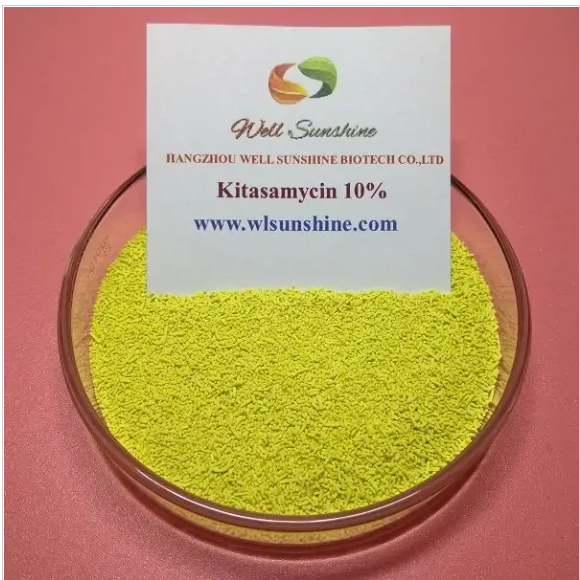



 (All Rights Reserved)