Product Description
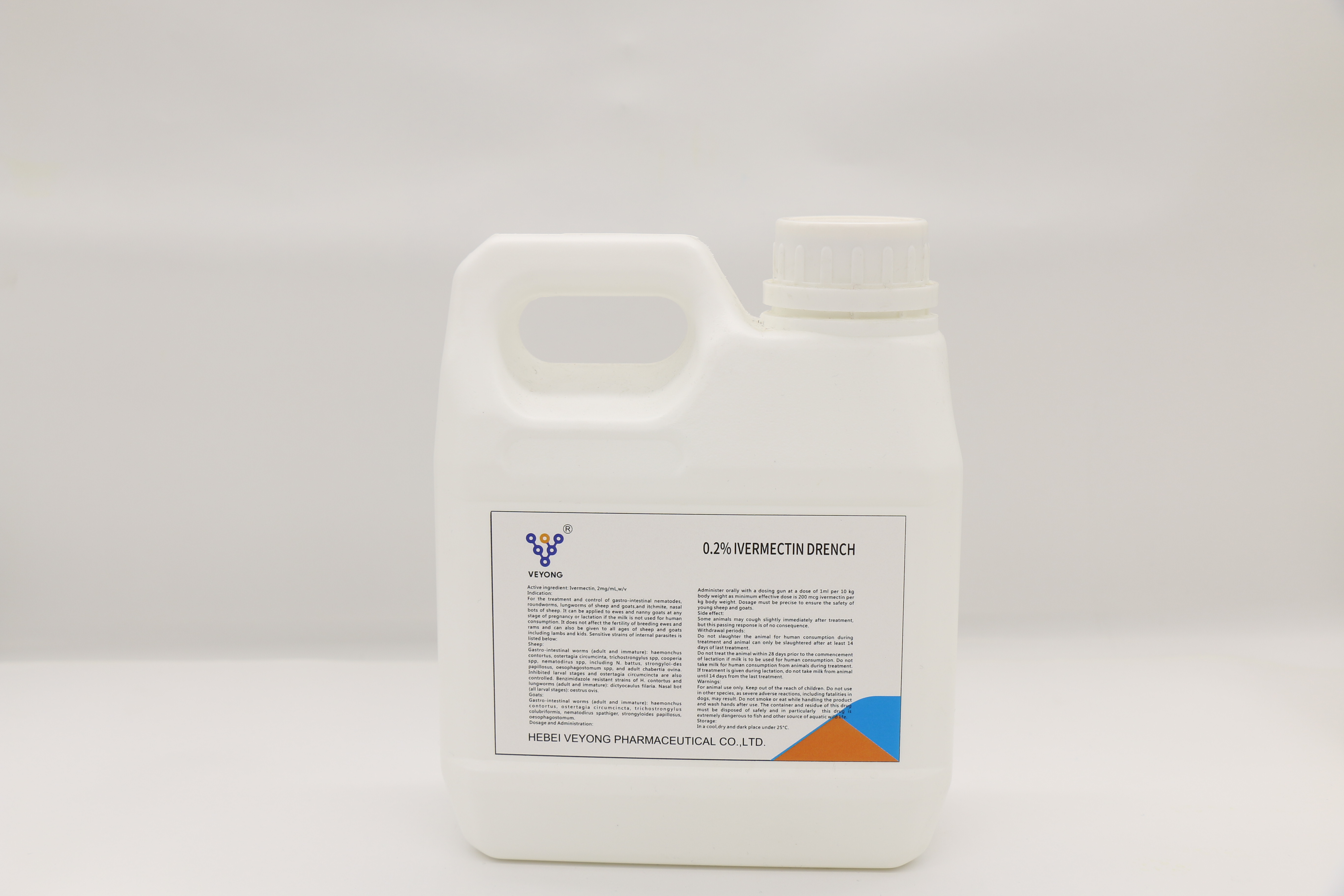
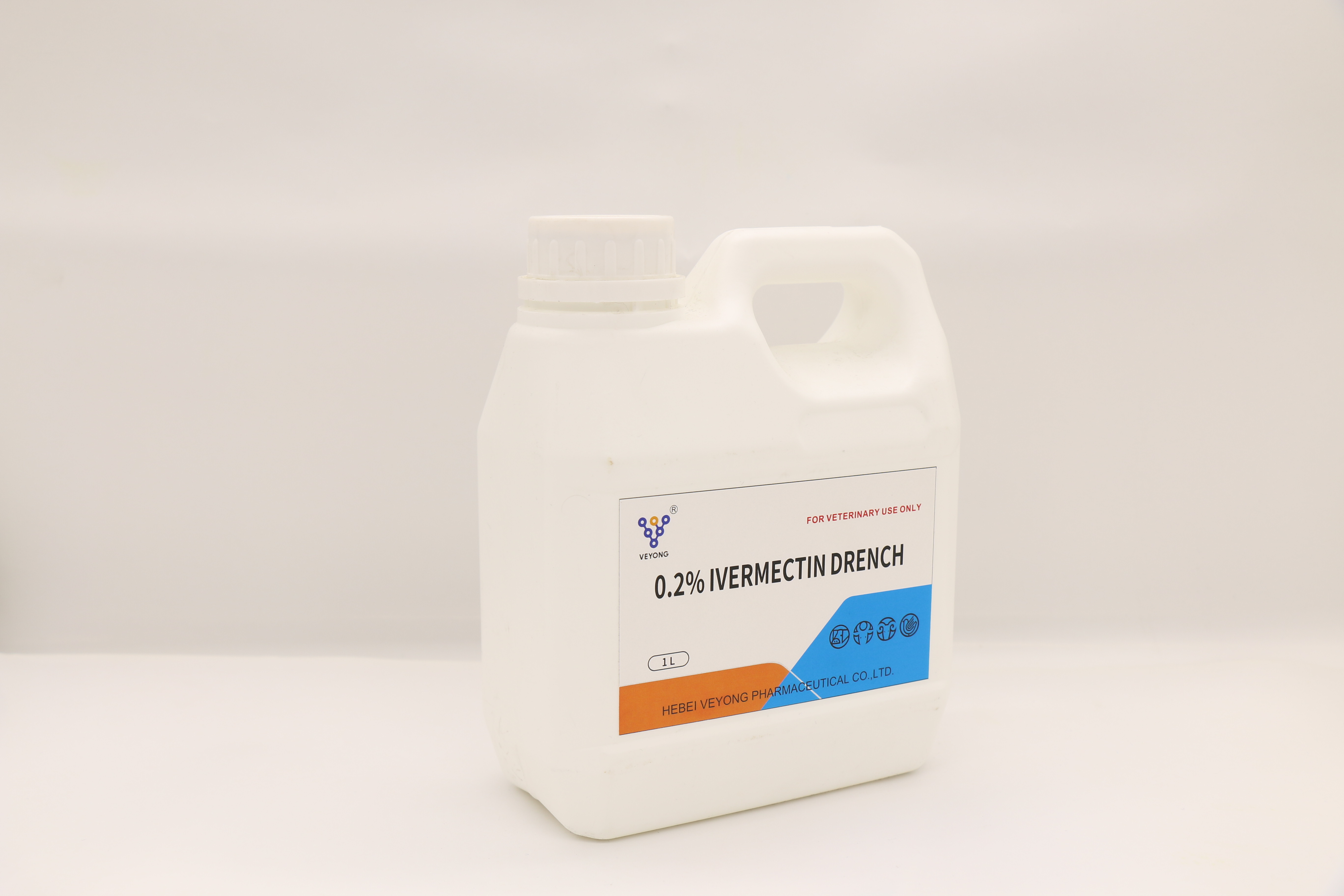
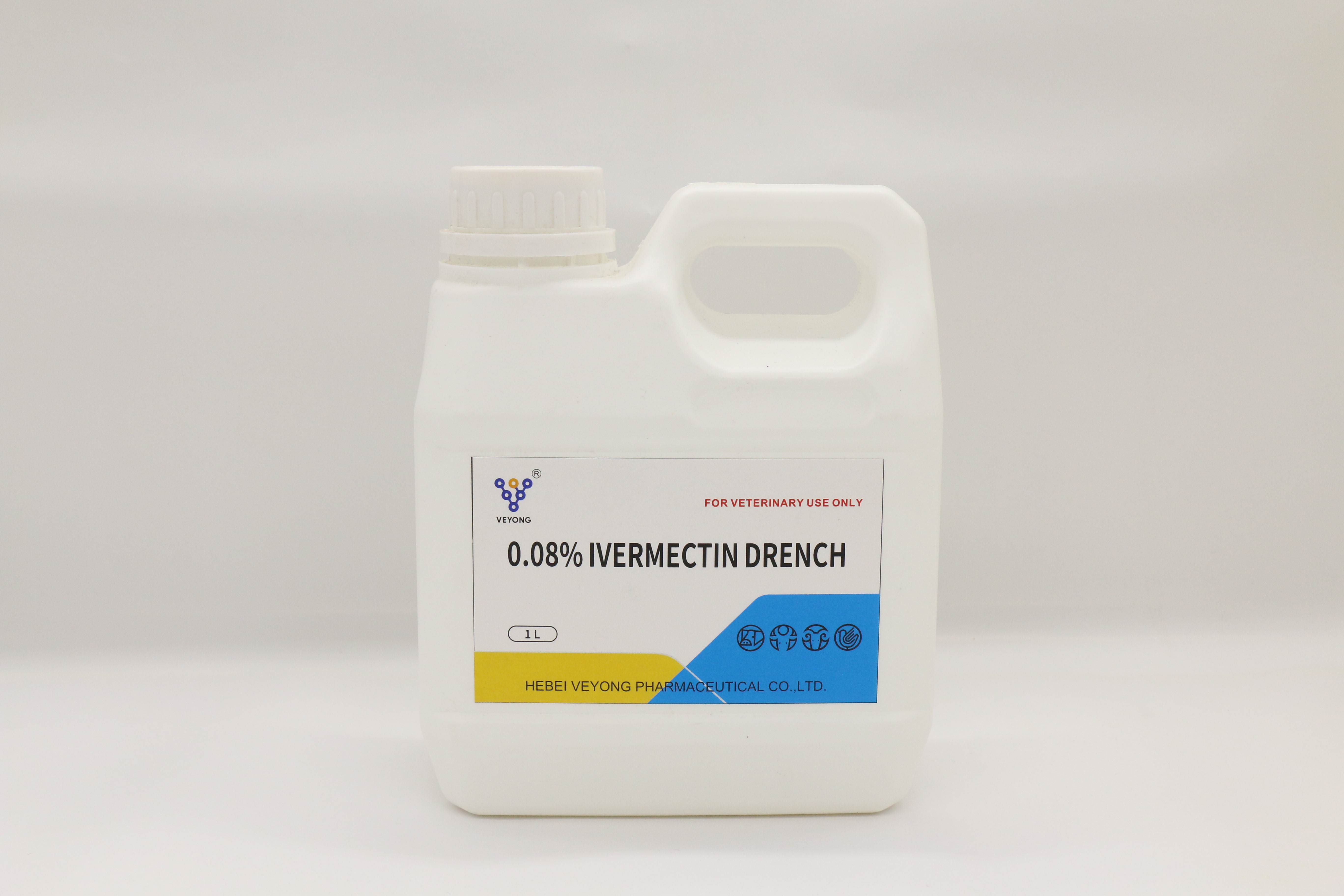
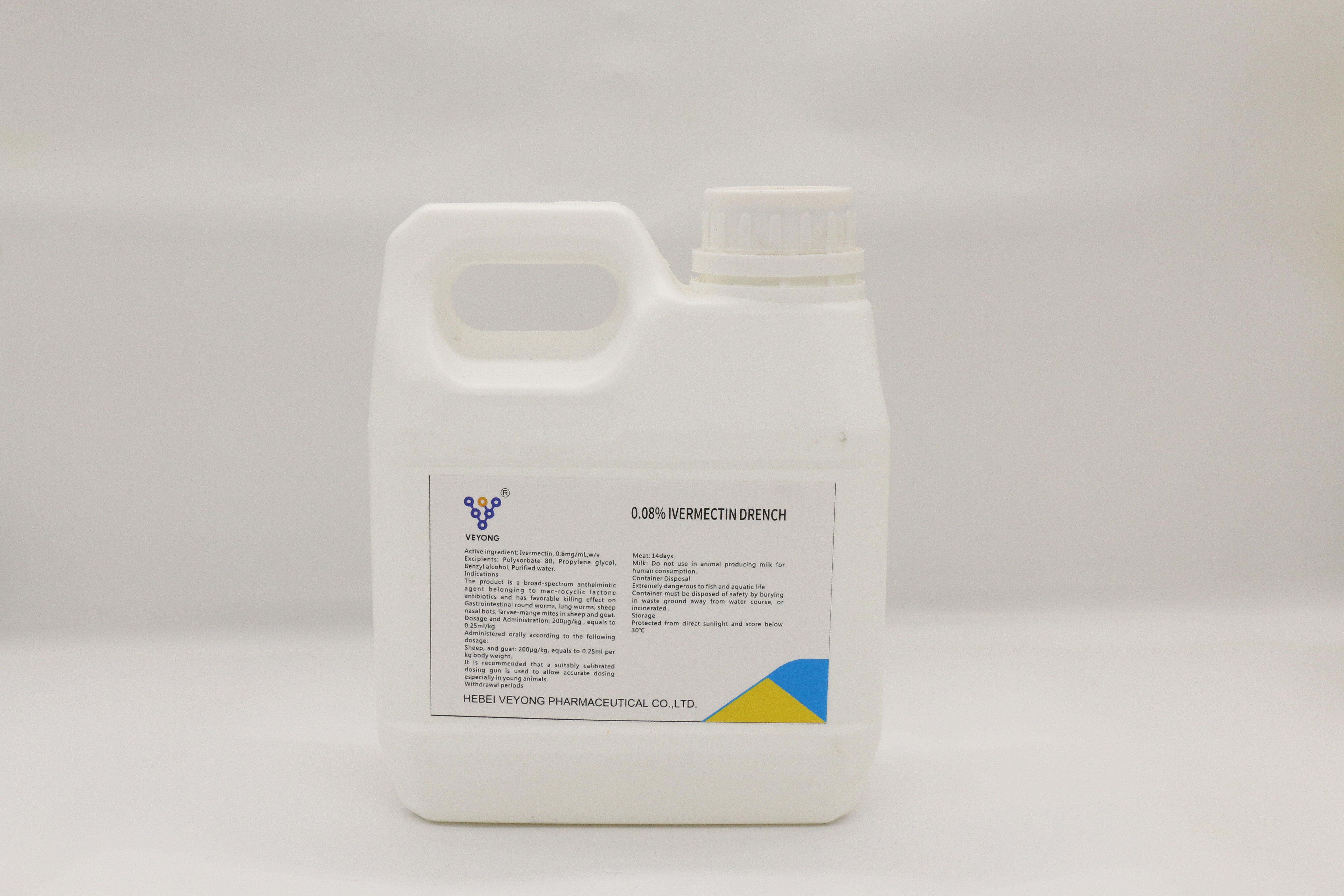
Main component:
Ivermectin
Description :
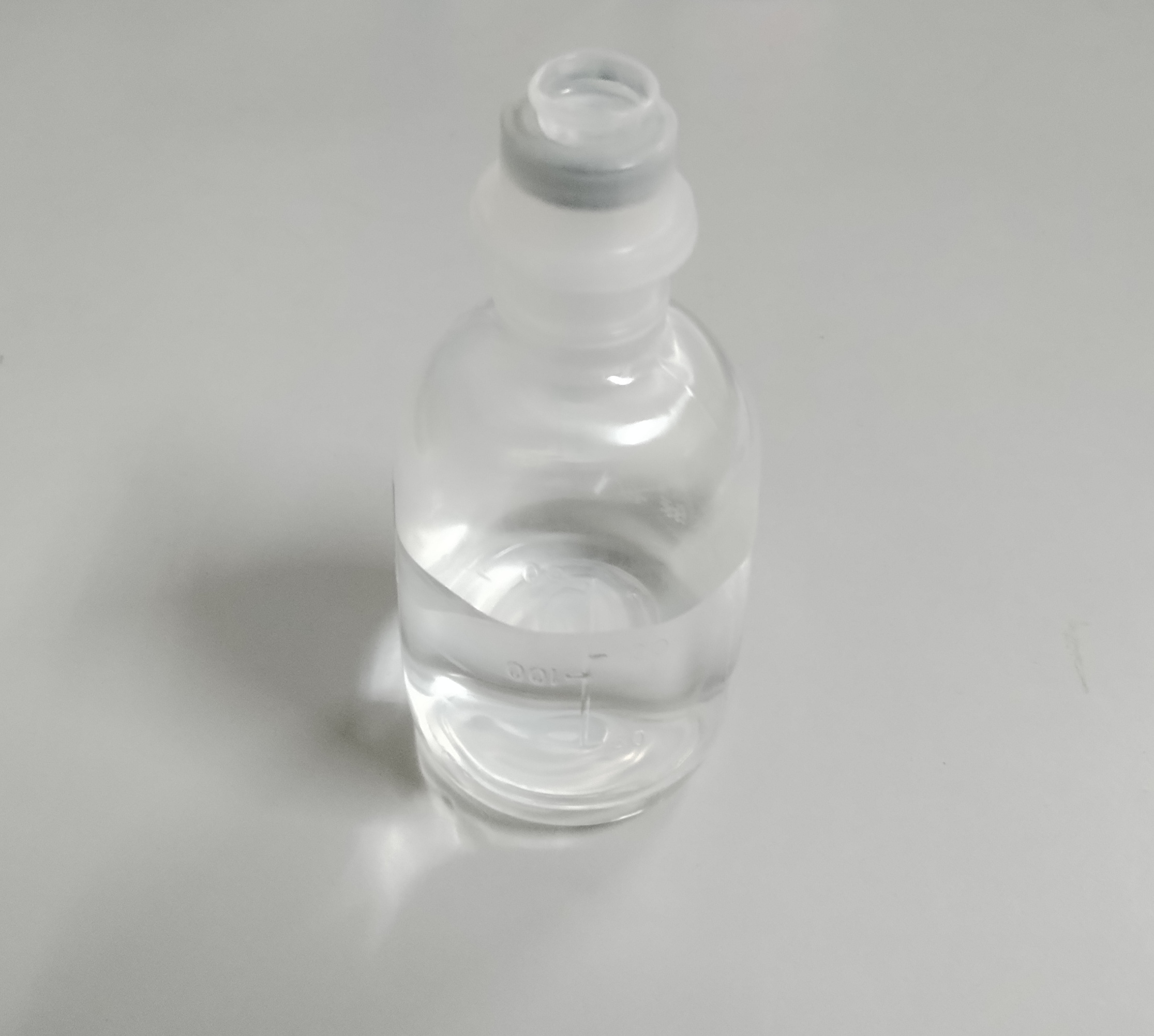
The product is an light yellow or yellow liquid.
Package:
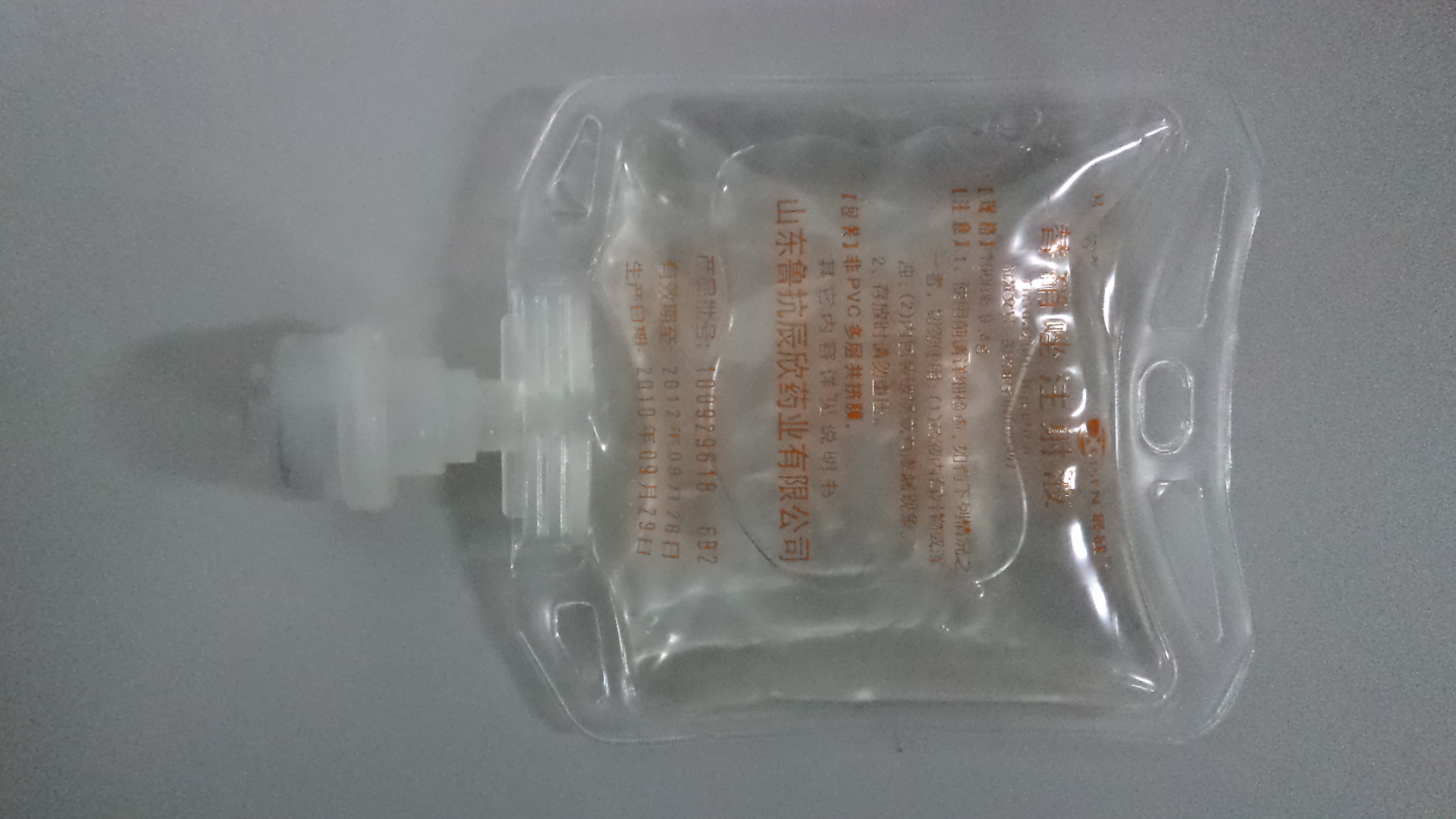
1000ml/pcs
Storage:
Sealed tightly and stored from light in a cool and dry place.
Expiry date:
2 years.
AI Product Description
*The following content is generated by AI and is for reference only.
Ivermectin drench formulations, available in 0.08% and 0.2% concentrations, are essential veterinary parasiticides designed primarily for cattle, sheep, goats, and swine. These oral liquids function by binding to glutamate-gated chloride channels in the nerve and muscle cells of parasites, causing paralysis and death. The primary indication is the treatment and control of a broad spectrum of internal nematodes, including gastrointestinal roundworms such as *Haemonchus*, *Ostertagia*, and *Trichostrongylus* species, as well as lungworms (*Dictyocaulus*). Additionally, these formulations often provide efficacy against certain ectoparasites like lice and mites when administered at specific dosages.
The choice between 0.08% and 0.2% strengths depends on the target animal species, weight class, and the severity of the infestation. Higher concentrations may be required for heavier animals or resistant parasite strains, while lower strengths suit smaller ruminants or preventive protocols. Accurate weighing of the animal is critical to ensure proper dosage; underdosing can lead to treatment failure and accelerated drug resistance, whereas overdosing increases the risk of toxicity.
Safety precautions are paramount. Ivermectin is generally safe when used according to label directions, but strict adherence to withdrawal periods is mandatory before slaughter to prevent residues in meat and milk. Notably, this medication is contraindicated in collie breeds and other herding dogs with MDR1 gene mutations due to potential neurotoxicity. Pregnant animals should only receive the product if the benefits outweigh the risks, as safety data varies by species. Handlers must wear protective gloves during administration to avoid skin absorption. Storage requires keeping the container tightly closed in a cool, dry place away from direct sunlight. Always consult a veterinarian to confirm diagnosis, select the appropriate concentration, and establish a strategic deworming schedule that minimizes resistance development within the herd.