Product Description
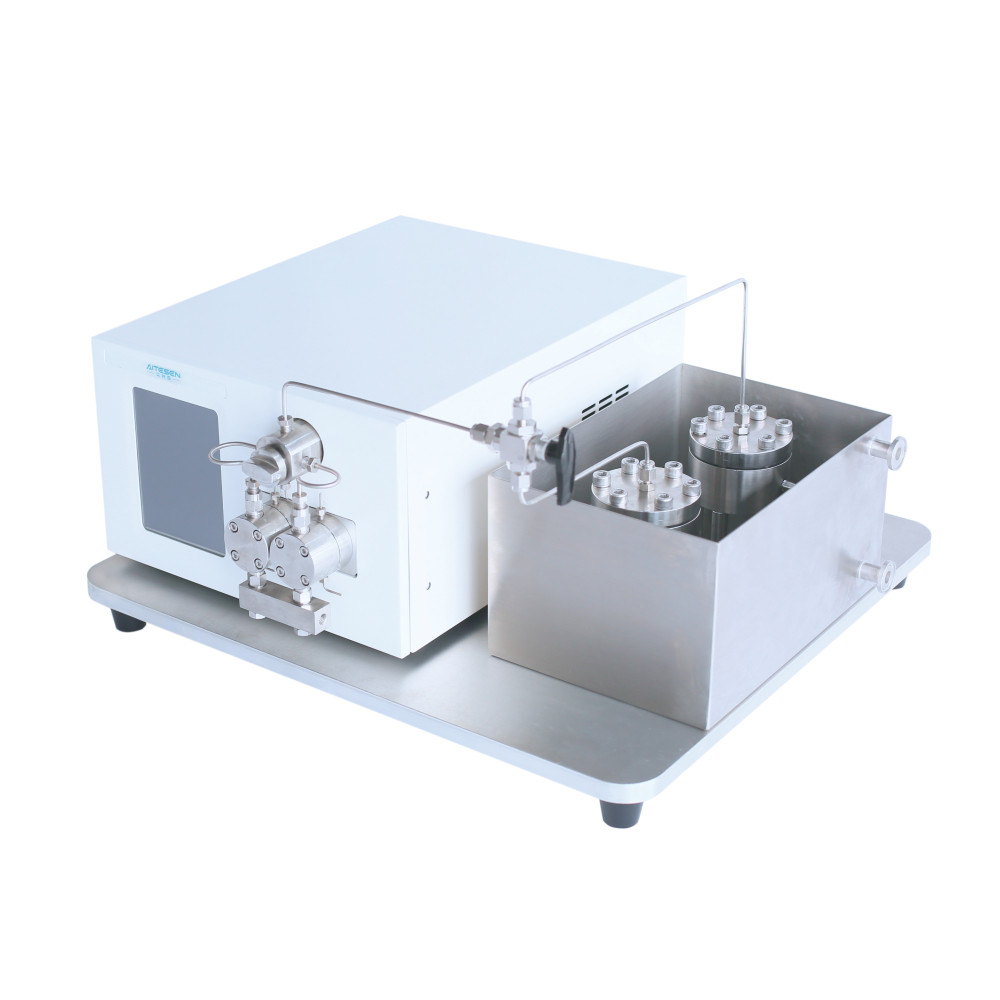
The X-type pilot microreactor is an upgraded version of the X-type reactor in the laboratory, which is amplified on the basis of the original mixing efficiency through the exponential growth of the module area, without amplification effect. The specially designed heat exchange channel has high heat exchange efficiency and can remove heat in time, and is a module for rapid reaction such as sulfonation, nitration, chlorination, butyllithium and so on.
AI Product Description
*The following content is generated by AI and is for reference only.
The product in question is a high-efficiency microreactor system designed for continuous flow chemistry applications. These compact units replace traditional batch reactors to enhance reaction control, safety, and scalability. By utilizing micro-channels with dimensions typically ranging from tens to hundreds of micrometers, the system achieves superior heat and mass transfer rates. This allows for precise temperature regulation, rapid mixing, and improved selectivity, making it ideal for exothermic reactions, photochemistry, and hazardous synthesis processes that are difficult to manage in conventional vessels.
Such devices are extensively used in pharmaceutical research, fine chemical manufacturing, and materials science development. They enable rapid process optimization and small-batch production while maintaining consistent product quality. The modular design often facilitates easy integration into automated workflows, supporting high-throughput experimentation. Operators can adjust parameters such as flow rate, residence time, and pressure dynamically to explore different reaction conditions efficiently.
Key operational precautions include ensuring all fluid lines are leak-free before operation, as high pressures are common. Proper filtration of feedstocks is essential to prevent channel clogging, which could lead to dangerous pressure spikes. Users must strictly adhere to material compatibility guidelines, particularly regarding corrosive reagents or extreme temperatures, to avoid equipment degradation. Additionally, thermal runaway risks should be mitigated through real-time monitoring systems and emergency shut-off protocols. Regular maintenance of pumps and valves is crucial to sustain performance. Training personnel on safe handling procedures and emergency responses is mandatory. Always verify solvent purity and ensure adequate ventilation when working with volatile substances. Adhering to these safety measures ensures reliable operation and maximizes the benefits of this advanced technology for modern chemical engineering challenges.






 (All Rights Reserved)