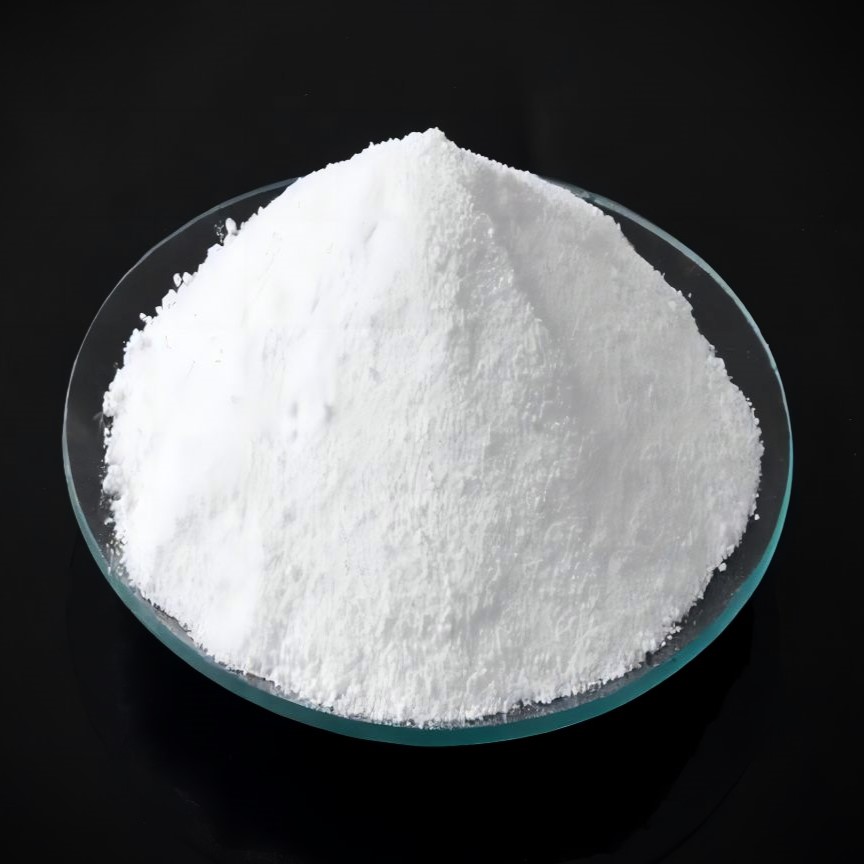
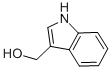
Product name: Indole-3-carbinol
Synonyms: 3-indolylcarbinol;I3C;INDOLE-3-METHANOL;INDOLE-3-CARBINOL;INDOLE-3-CARBINOLE;AKOS NCG1-0099;3-HYDROXYMETHYLINDOLE;3-INDOLEMETHANOL
CAS No.: 700-06-1
Molecular forumula: C9H9NO
Molecular weight: 147.17
EINECS No.: 211-836-2
Application: be used for organic synthesis, inhibit canceration.
*The following content is generated by AI and is for reference only.
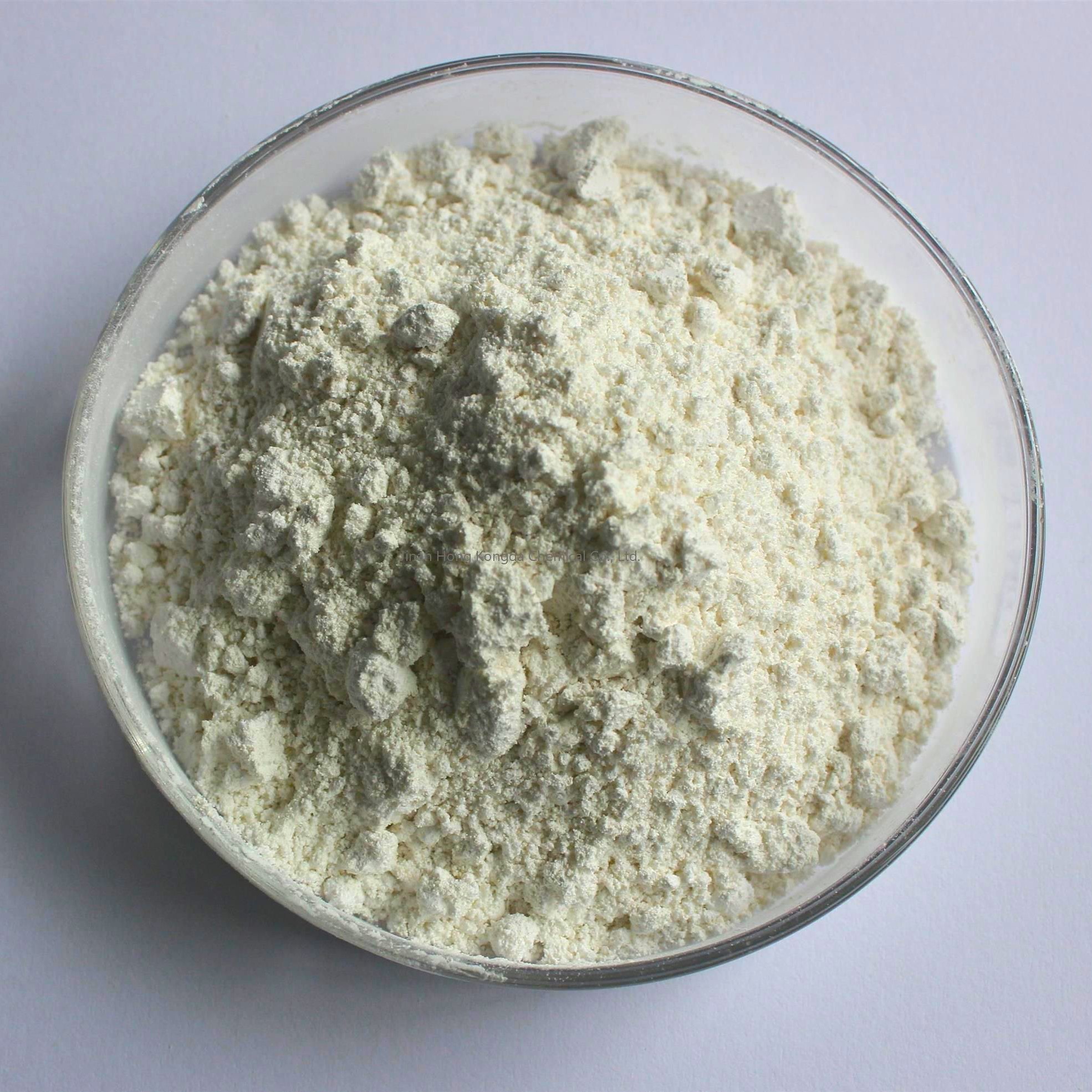
Indole-3-carbinol (I3C) is a naturally occurring organic compound found abundantly in cruciferous vegetables such as broccoli, cabbage, Brussels sprouts, and kale. Chemically known as 2-(1H-indol-3-yl)-1-methylethanol, it serves as the primary hydrolysis product of glucobrassicin, a glucosinolate precursor released when plant tissues are damaged or chewed. The molecular formula of Indole-3-carbinol is C9H9NO, with a corresponding CAS Registry Number of 6845-07-8. This white to pale yellow crystalline powder possesses distinct biological properties that have garnered significant attention in nutritional science and pharmaceutical research.
Upon ingestion, I3C undergoes rapid acid-catalyzed condensation in the stomach to form various cyclic oligomers, most notably diindolylmethane (DIM), which is often considered the biologically active metabolite responsible for many of its therapeutic effects. The primary utility of Indole-3-carbinol lies in its potential role as a chemopreventive agent against cancer. Extensive studies suggest that I3C modulates estrogen metabolism by shifting the balance toward less potent estrogenic metabolites, specifically increasing the ratio of 2-hydroxyestrone to 16-alpha-hydroxyestrone. This mechanism is particularly relevant in hormone-dependent cancers, including breast, cervical, and prostate malignancies.
Beyond oncology, I3C exhibits anti-inflammatory and antioxidant activities, contributing to cellular protection against oxidative stress. It has also been investigated for its efficacy in treating conditions related to human papillomavirus (HPV) infections and benign prostatic hyperplasia (BPH). While generally recognized as safe when consumed through diet, high-dose supplementation requires medical supervision due to potential interactions with drug-metabolizing enzymes like cytochrome P450. As a dietary supplement, Indole-3-carbinol is widely marketed to support hormonal balance and detoxification pathways. However, clinical outcomes vary based on individual metabolic profiles and dosage regimens. Ongoing research continues to explore its full spectrum of pharmacological applications, aiming to standardize formulations for optimal bioavailability and therapeutic efficacy in modern integrative medicine practices.





 (All Rights Reserved)
![Pyrrolo[2,3-d]pyrimidin-4-ol](https://eimg.pharmasources.com/image/20250423/cvXgKDastRYgD63GYBroAOcjpuRzGHJvGxhaKgvA.gif)
![4-Chloro-7H-pyrrolo[2,3-d]pyrimidine](https://eimg.pharmasources.com/image/20250423/Vo6dULaYnbLZCd7lJ7013faOnpM4iolBbJyR708d.gif)
![1,6-dihydro-5-hydroxy-1-methyl-2-[1-methyl-1-[[(phenylmethoxy)carbonyl]amino]ethyl]-6-oxo-4-Pyrimidi](https://eimg.pharmasources.com/image/20240312/35lb1ifZuXM3CbTyv7zwyPrhcXy4bmyDTBeUKkDN.gif)