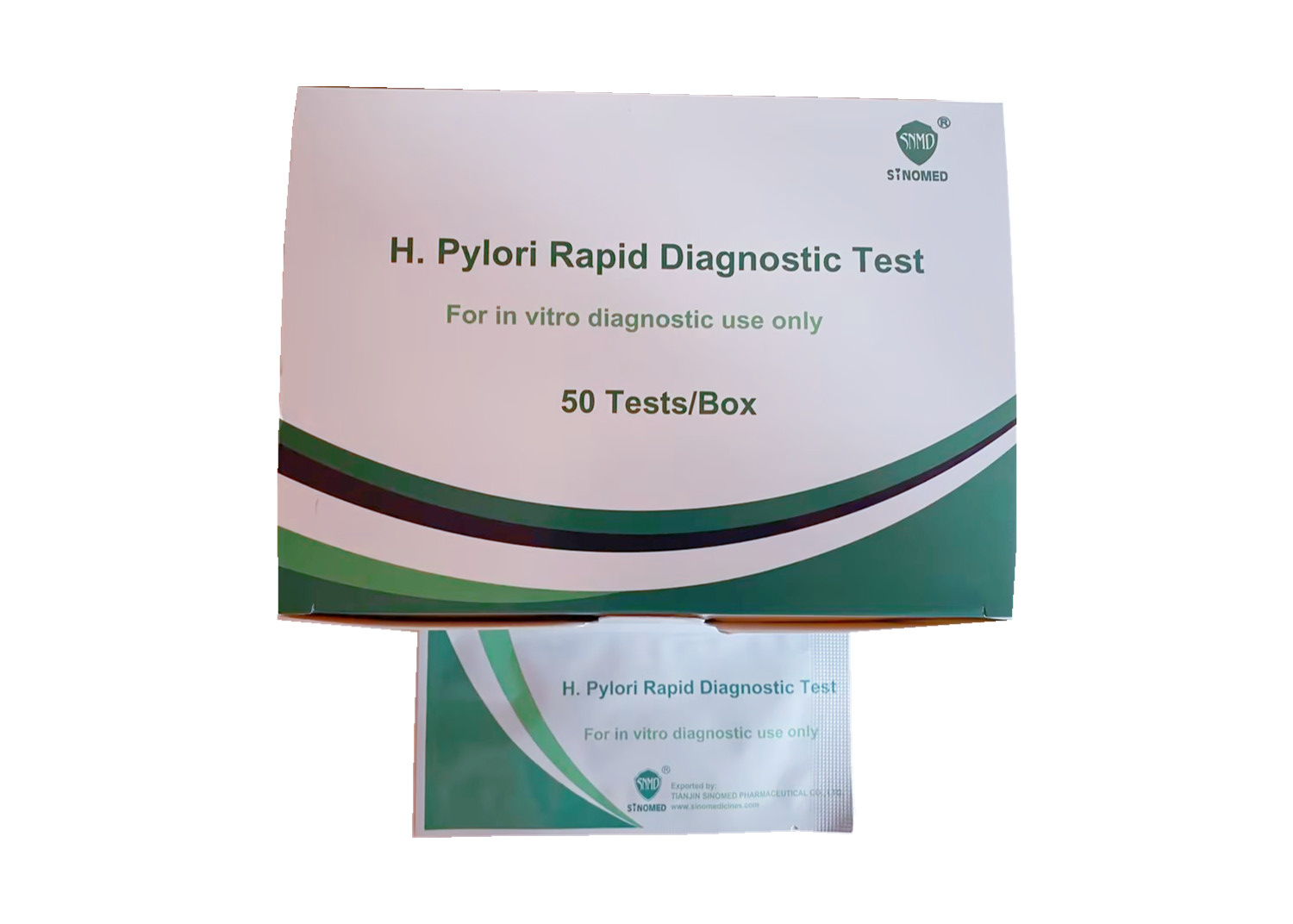
1.Product Name:H.Pylori Rapid Diagnostic Test
3.Packing:50 tests/box
4.Shelf Life:36 months
5.Registration documents are available.
If you are interested in our products, please contact us in time.
*The following content is generated by AI and is for reference only.
The Helicobacter pylori Rapid Diagnostic Test is a critical point-of-care tool designed for the swift detection of H. pylori antigens in human stool samples. This infection is a primary cause of chronic gastritis, peptic ulcers, and significantly increases the risk of gastric cancer. Early identification allows for timely antibiotic treatment, preventing severe complications and reducing transmission risks within communities. The test utilizes advanced immunoassay technology to provide accurate results within minutes, making it ideal for clinical settings, emergency rooms, and general practitioner offices where rapid decision-making is essential.
The procedure is straightforward and requires minimal training. A small stool sample is collected using the provided applicator and mixed with an extraction buffer before being applied to the test cassette. Within fifteen minutes, visual lines appear on the device: a control line confirms proper function, while a test line indicates the presence of the antigen. This simplicity ensures high user compliance and reduces the likelihood of procedural errors compared to more complex laboratory methods. However, several precautions must be observed to maintain accuracy. Patients should ideally discontinue proton pump inhibitors, antibiotics, and bismuth preparations for at least two weeks prior to testing, as these medications can suppress bacterial load and lead to false-negative results. Additionally, the test kit must be stored at room temperature and protected from direct sunlight and moisture to preserve reagent integrity.
While highly effective for initial screening, positive results typically require confirmation via endoscopy or urea breath testing to guide comprehensive treatment plans. Negative results do not entirely rule out infection if clinical suspicion remains high, warranting further investigation. Overall, this diagnostic method offers a non-invasive, cost-effective solution for managing gastrointestinal health, enabling healthcare providers to implement targeted therapies quickly and improve patient outcomes globally.





 (All Rights Reserved)