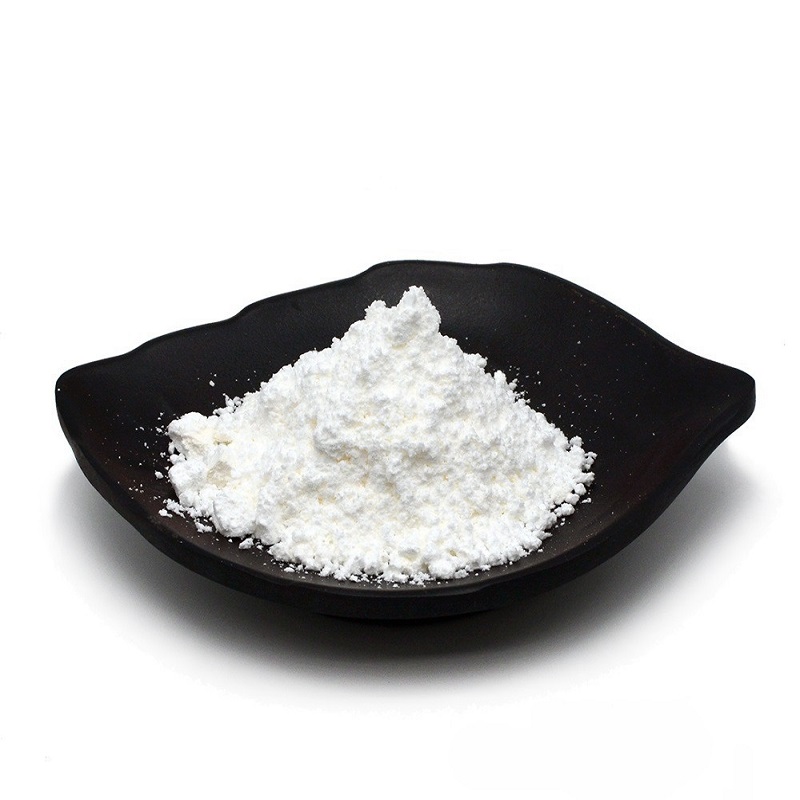
Homidium chloride is a veterinary API (Active Pharmaceutical Ingredient) used to treat trypanosomiasis, a disease caused by Trypanosoma infections in animals, particularly cattle and equids.
*The following content is generated by AI and is for reference only.
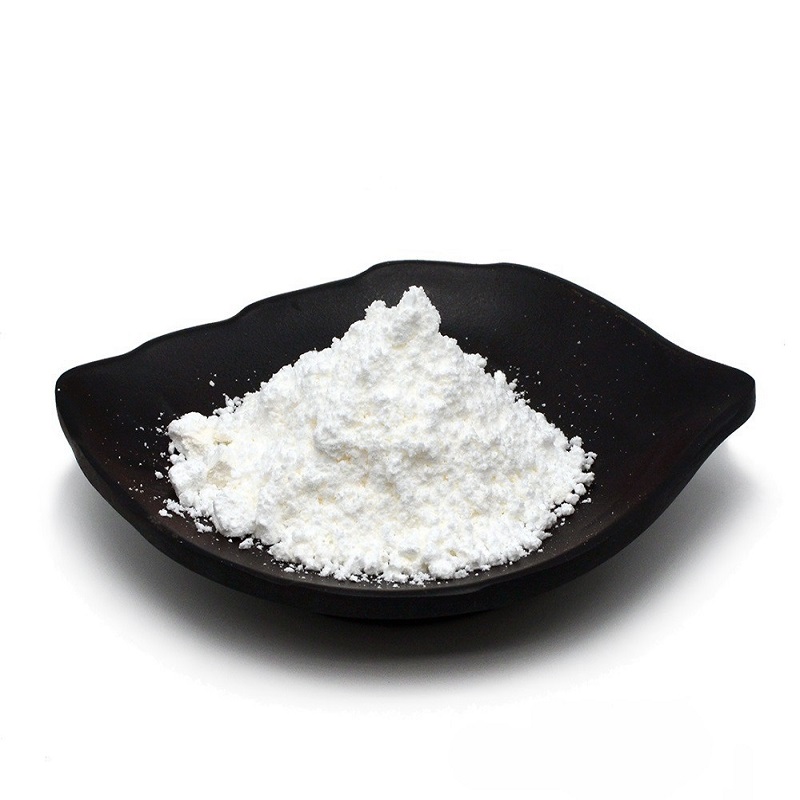
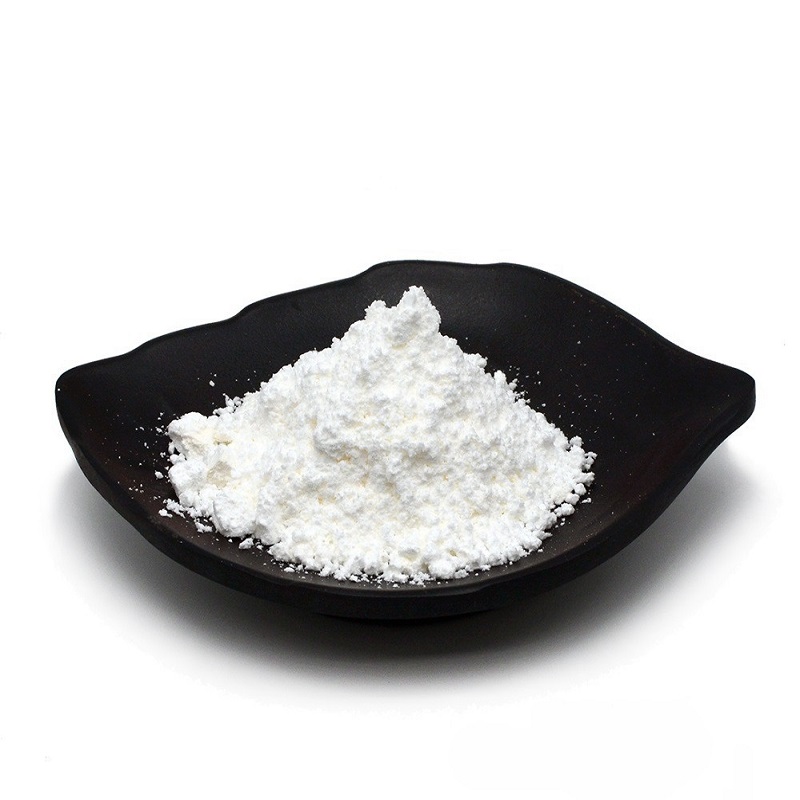
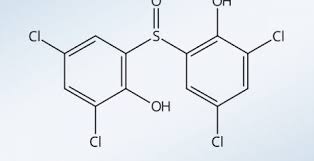
Homidium Chloride, chemically known as 4-(chloromethyl)pyridinium chloride, is a versatile organic compound widely utilized in synthetic chemistry and pharmaceutical research. Its molecular formula is C6H7Cl2N, and it carries the CAS Registry Number 109-38-2. This white to off-white crystalline powder serves as a crucial intermediate in the synthesis of various heterocyclic compounds, particularly those containing pyridine rings. The molecule features a positively charged nitrogen atom within the pyridinium ring, paired with a chloride counterion, which enhances its reactivity towards nucleophiles.
The primary application of Homidium Chloride lies in its role as an alkylating agent. It is frequently employed to introduce methyl groups or to construct complex nitrogen-containing scaffolds essential for drug discovery. Researchers utilize this compound in the preparation of antimalarial agents, antimicrobial drugs, and potential anticancer therapeutics. Its ability to facilitate N-alkylation reactions makes it indispensable in medicinal chemistry laboratories aiming to modify biological activity profiles of lead compounds. Furthermore, it acts as a precursor in the synthesis of specialized dyes and agrochemicals where specific pyridine derivatives are required.
Due to its reactive nature, proper handling protocols must be observed during storage and usage. It should be kept in a cool, dry place away from moisture and incompatible substances to prevent decomposition. Safety data sheets indicate that while effective for synthesis, direct contact should be avoided to prevent skin or eye irritation. As global demand for novel therapeutic agents grows, the importance of reliable intermediates like Homidium Chloride remains significant. Its stability under standard laboratory conditions and predictable reaction kinetics make it a preferred choice for both academic studies and industrial-scale production processes. Continuous research into its derivatives promises further advancements in targeted therapy and material science applications, cementing its status as a fundamental building block in modern chemical synthesis.





 (All Rights Reserved)