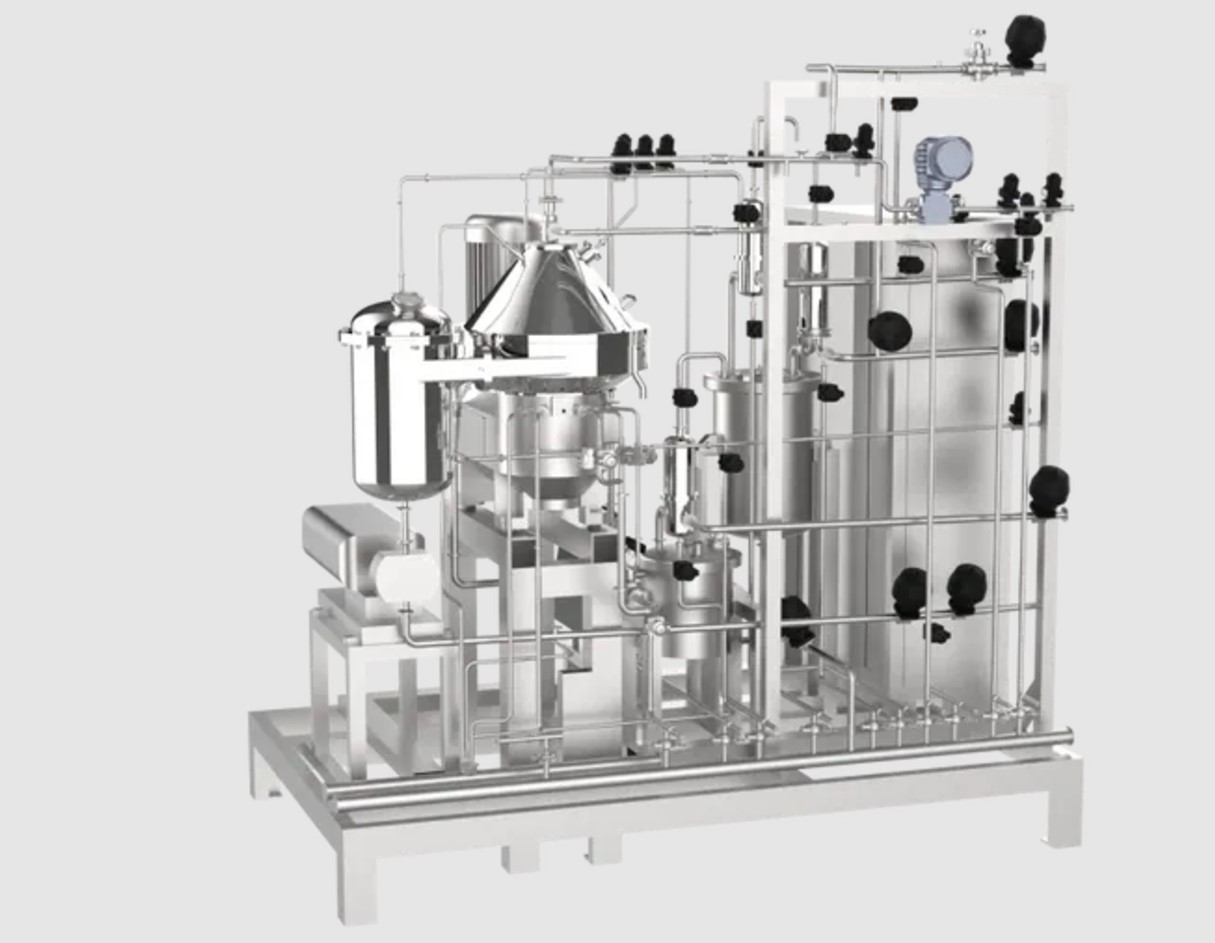
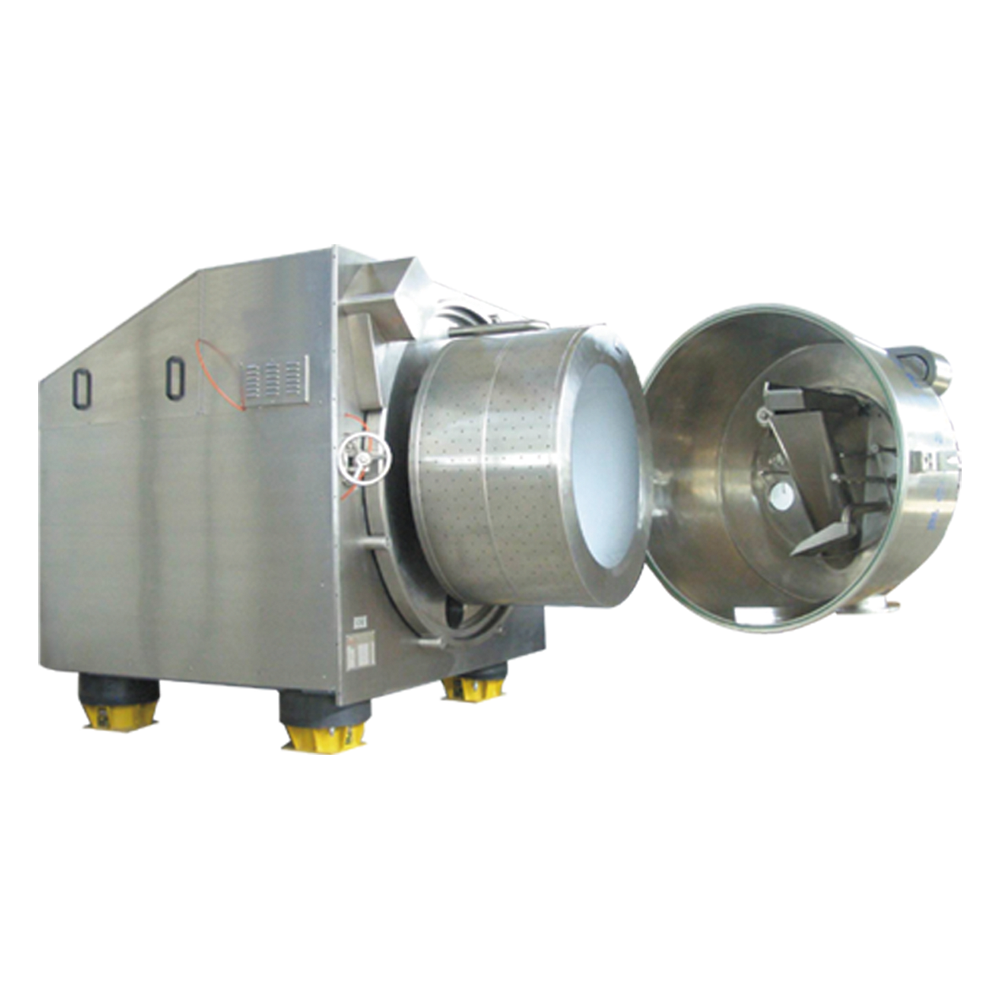
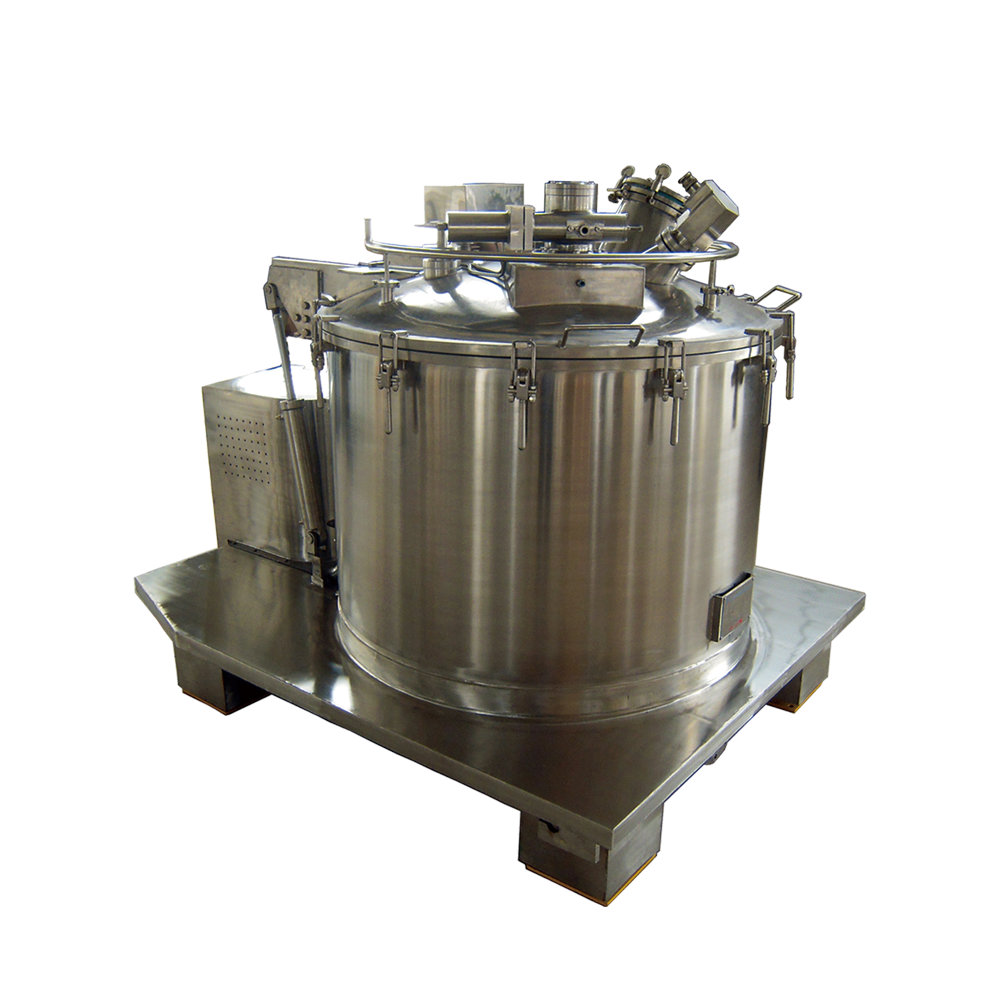
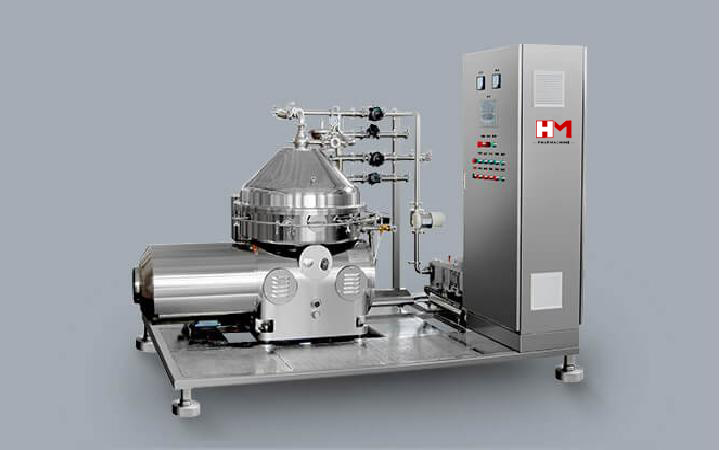
HM DSS Series Disk Stack Separator / Centrifuge separator
Usage: separate liquid/solid, or light liquid water/heavy density solution, and discharge the sludge automatically. Optional: CIP/SIP function.
Capacity: 1000, 2000,3000,5000, 10,000L/h
*The following content is generated by AI and is for reference only.
Industrial disk stack separators are high-efficiency centrifugal machines designed for the continuous separation of solids from liquids, immiscible liquids, or mixtures containing both. Widely utilized across food and beverage, pharmaceutical, chemical, and wastewater treatment sectors, these units operate on the principle of differential density. Feed material enters the center of a rapidly rotating bowl assembly, where intense centrifugal force drives heavier components outward against the bowl wall while lighter phases migrate inward toward the discharge ports.
The core component is the stack of conical disks, which drastically reduces the settling distance for particles, significantly enhancing separation efficiency compared to traditional decanter or solid-bowl centrifuges. This design allows for the processing of large volumes with fine particle removal capabilities, making them ideal for applications such as clarifying fruit juices, separating milk cream, refining vegetable oils, or dewatering sludge. The system typically features automatic backflush mechanisms or manual cleaning protocols to maintain optimal performance during operation.
Critical safety and operational precautions must be strictly observed. Before maintenance, the machine must be completely isolated from power sources and depressurized. Operators should wear appropriate personal protective equipment due to the risk of high-speed rotation and potential exposure to hazardous materials. Regular inspection of the bowl integrity, sealing rings, and drive belts is essential to prevent catastrophic failure caused by imbalance or fatigue. Additionally, proper lubrication of bearings and gearboxes according to manufacturer schedules ensures longevity. Feeding rates must remain within specified limits to avoid overloading the separation chamber, which can lead to poor clarity or mechanical stress. Continuous monitoring of vibration levels and temperature is recommended to detect early signs of malfunction. Ultimately, adherence to standard operating procedures and routine preventive maintenance guarantees reliable, safe, and efficient separation performance in demanding industrial environments.




 (All Rights Reserved)