Key Attributes
Place of Origin:Guangdong, China
Brand:Kristen
Model:PI
Size:Customised
Shape:Customized Shape
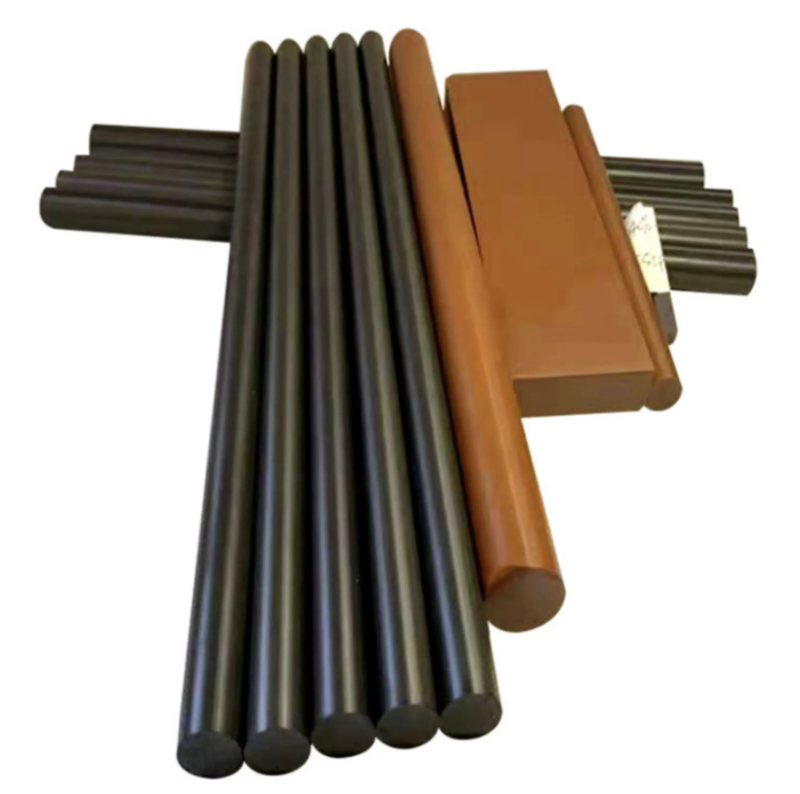
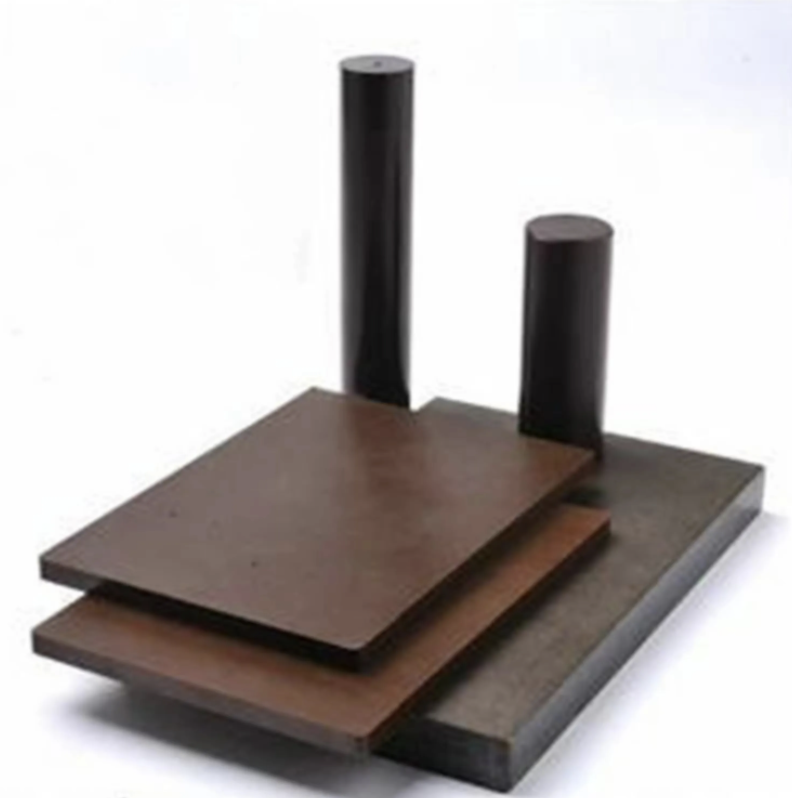
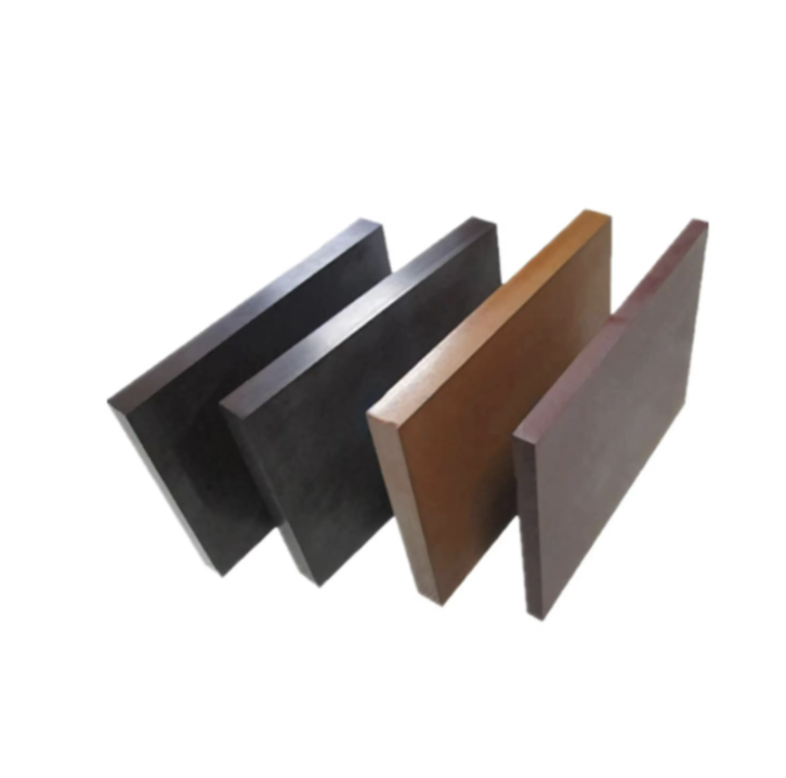
Product Name:Polymide (Polyimide)
Keyword:PI, Polyimide, 聚酰亚胺
Packaging and Shipping Information
Selling Unit:Single item
Single Package Size:30×30×30 cm
Gross Weight per Product:50g
*The following content is generated by AI and is for reference only.
High-Barrier Biocompatible Medical Implantable-Grade Polyimide (PI) Coating for Cardiac Stents represents a critical advancement in interventional cardiology, designed to enhance the safety and longevity of coronary stent therapies. This specialized polymer film serves as an ultra-thin, electrically insulating barrier applied directly onto metallic stent struts. Its primary function is to prevent electrical shorting during future diagnostic procedures, such as magnetic resonance imaging (MRI), while simultaneously protecting the vessel wall from excessive heat generation caused by radiofrequency ablation or other energy-based interventions. By isolating the conductive metal lattice, this coating ensures that the stent remains MRI-compatible under specific conditions, significantly reducing patient anxiety and expanding treatment options for individuals with implanted devices.
Beyond electrical isolation, the polyimide material offers exceptional mechanical flexibility, allowing it to conform tightly to the complex geometry of the stent without cracking or delaminating during the high-pressure expansion process within the coronary arteries. The "high-barrier" characteristic is vital; it prevents the migration of metal ions into surrounding tissues, thereby minimizing the risk of local inflammation, hypersensitivity reactions, or thrombus formation. Furthermore, the coating acts as a reservoir for drug-eluting stents, providing a stable matrix for controlled release of anti-proliferative agents to inhibit neointimal hyperplasia and reduce the incidence of restenosis.
Usage of this technology requires strict adherence to sterile manufacturing protocols and precise application techniques to maintain coating uniformity. Clinicians must verify the specific MRI compatibility parameters provided by the device manufacturer, as field strength limits may vary. Patients undergoing post-implantation imaging should always inform radiology teams about the presence of the coated stent to ensure appropriate scanning sequences are utilized. While highly effective, long-term biocompatibility depends on the integrity of the coating over decades of implantation. Continuous monitoring through standard follow-up protocols remains essential to detect any potential late-stage complications, ensuring optimal cardiovascular outcomes for patients relying on these advanced therapeutic devices.






 (All Rights Reserved)