Product Description
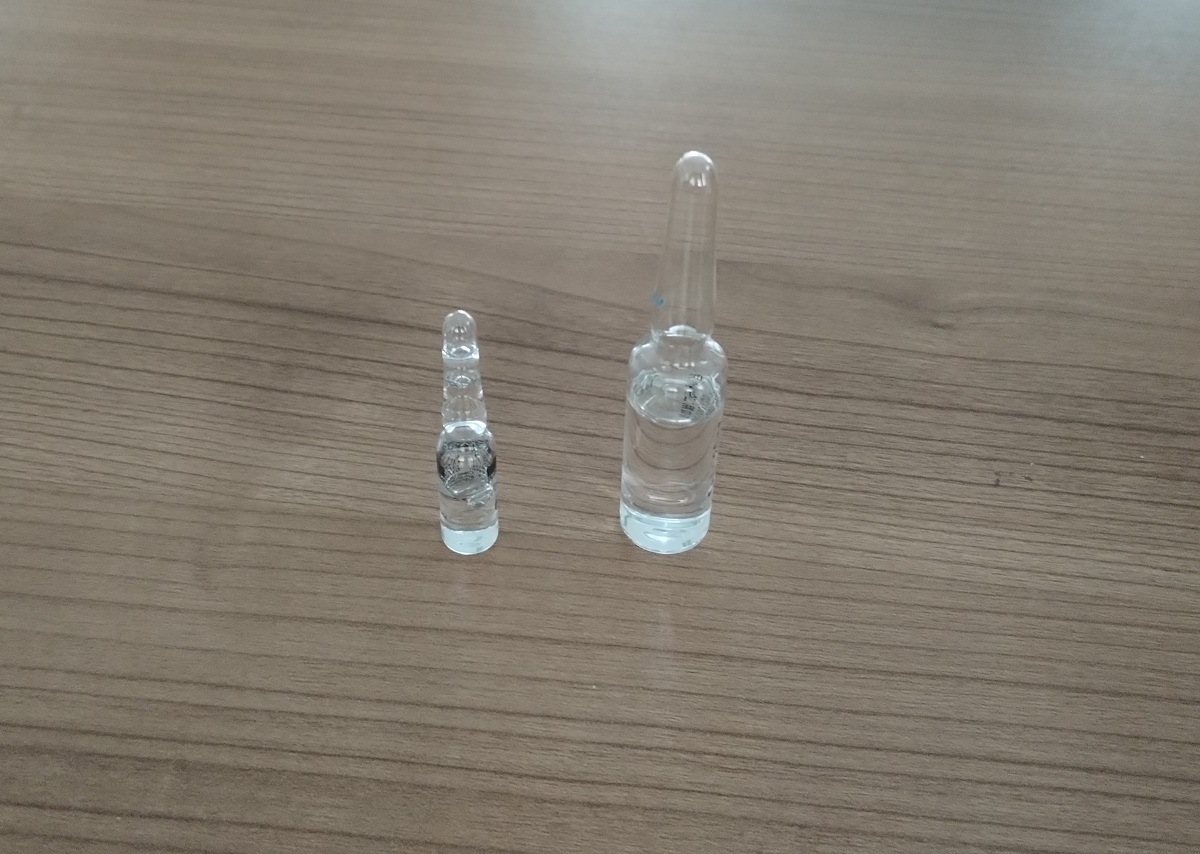
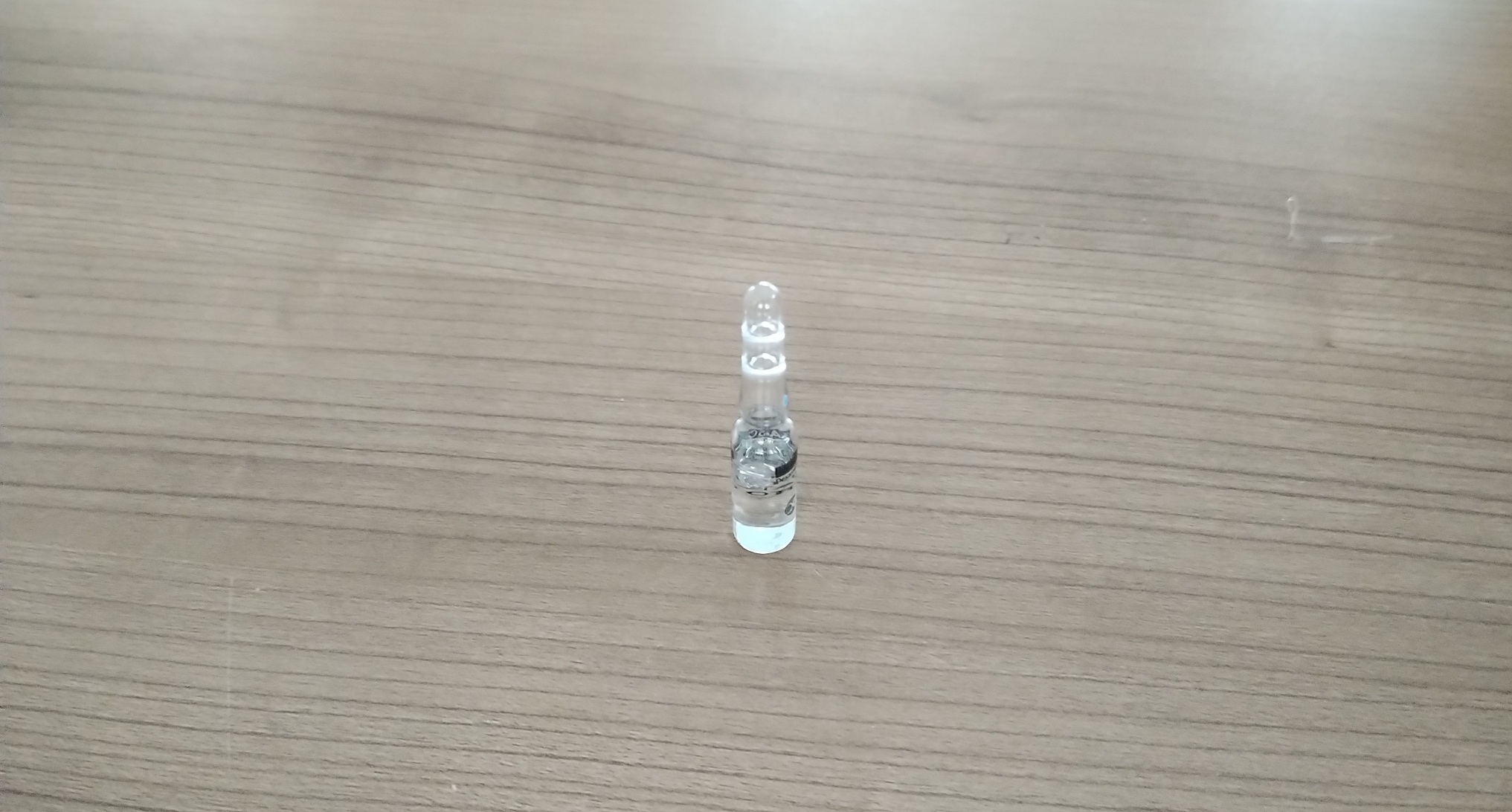
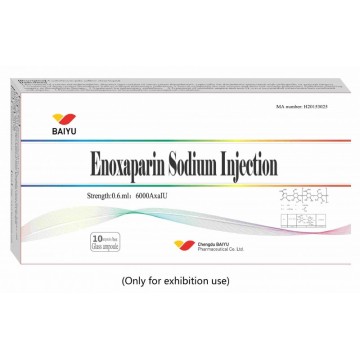
Heparin sodium injection, indicated for the prevention and treatment of thrombosis or embolic diseases (such as myocardial infarction, thrombophlebitis, pulmonary embolism, etc.) : diffuse intravascular coagulation (DIC) caused by various causes; It is also used in hemodialysis, cardiopulmonary bypass, catheterization, microvascular surgery and other operations, as well as anticoagulation treatment of some blood samples or instruments.
Specification: 2ml:5000/12500IU; 5ml:25000IU
AI Product Description
*The following content is generated by AI and is for reference only.
Heparin Sodium Injection is a potent anticoagulant medication widely utilized in clinical settings to prevent and treat thrombotic disorders. Primarily, it functions by enhancing the activity of antithrombin III, a natural inhibitor that accelerates the neutralization of thrombin and Factor Xa, thereby inhibiting the formation of blood clots. This drug is commonly administered intravenously or subcutaneously for various indications, including the prevention of deep vein thrombosis (DVT) following surgery, treatment of acute pulmonary embolism, management of unstable angina, and maintenance of patency in extracorporeal circuits during dialysis or cardiac bypass procedures. It is also used in patients with atrial fibrillation to reduce stroke risk when other therapies are unsuitable.
Despite its efficacy, Heparin Sodium Injection requires strict medical supervision due to its narrow therapeutic index and significant bleeding risks. The most critical precaution involves monitoring activated partial thromboplastin time (aPTT) or anti-Xa levels to ensure dosage accuracy and avoid hemorrhage. Patients with a history of heparin-induced thrombocytopenia (HIT), severe liver disease, active peptic ulcers, or recent brain, eye, or spinal surgery should generally avoid this medication. Additionally, caution is advised when administering it concurrently with other anticoagulants, antiplatelet agents, or NSAIDs, as these combinations drastically increase bleeding potential.
Allergic reactions, though rare, can occur, presenting as skin rashes, fever, or anaphylaxis. Long-term use may lead to osteoporosis or hyperkalemia. Pregnant women require careful evaluation, as while Heparin does not cross the placenta, dose adjustments are often necessary. Patients must be educated on signs of excessive bleeding, such as unusual bruising, blood in urine or stool, or persistent headaches. Immediate medical attention is crucial if such symptoms arise. Due to the complexity of dosing and the high risk of adverse events, Heparin Sodium Injection should only be prescribed and monitored by qualified healthcare professionals who can tailor therapy to individual patient needs and physiological responses.












 (All Rights Reserved)