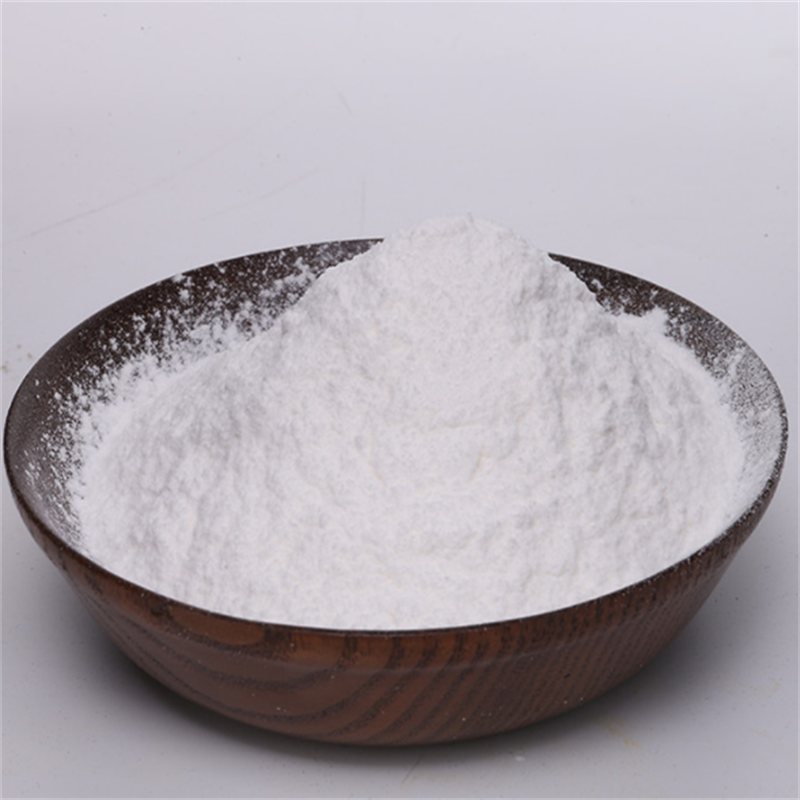
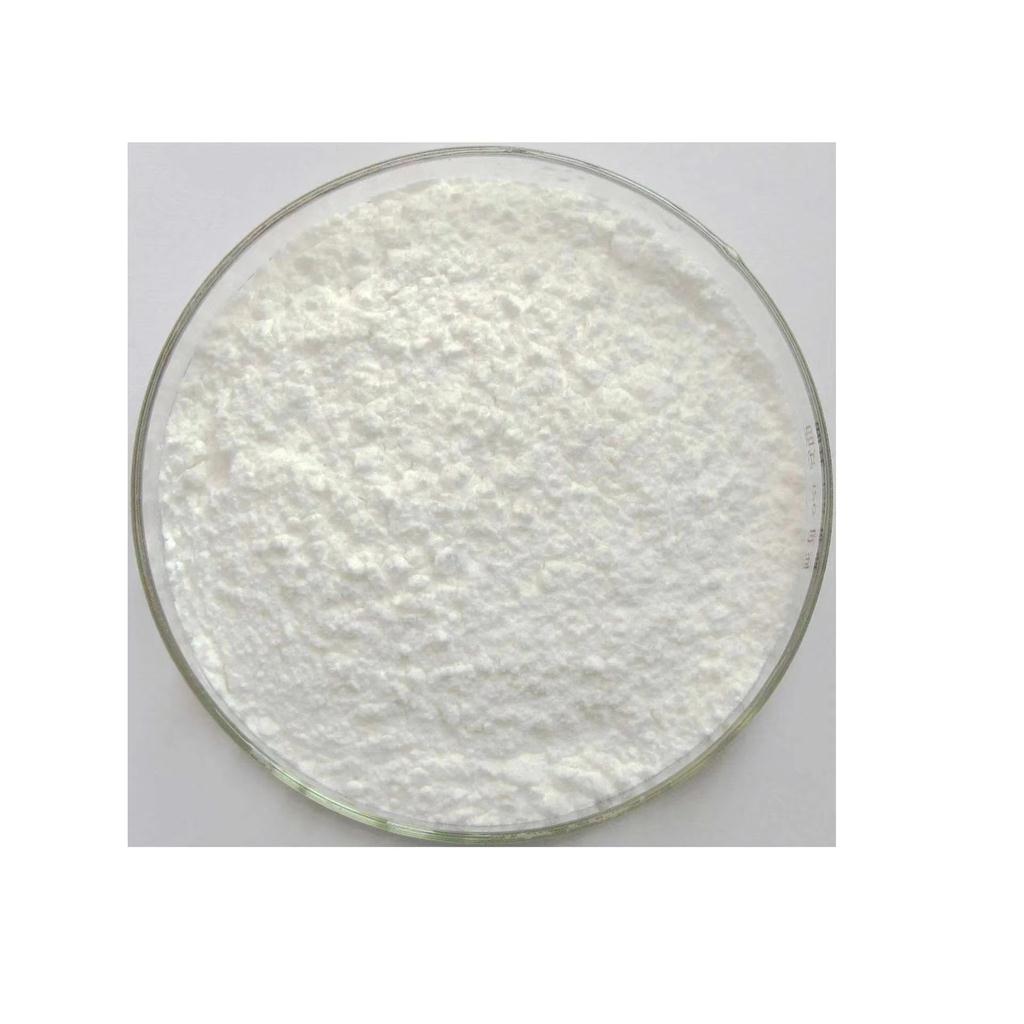
Product Description
Alternate Names:
Harmine hydrochloride is also known as telepathine hydrochloride.
Application:
Harmine hydrochloride is a fluorescent harmala alkaloid and CNS stimulant found in Peganum harmala.
CAS Number:343-27-1
Purity:≥98%
Molecular Weight:248.71
Molecular Formula:C13H12N2O•HCl
AI Product Description
*The following content is generated by AI and is for reference only.
Harmine hydrochloride is the hydrochloride salt form of harmine, a naturally occurring beta-carboline alkaloid primarily isolated from plants such as *Peganum harmala* (Syrian rue) and various species of the Passifloraceae family. Its molecular formula is C13H12ClN3O, reflecting the addition of a hydrochloric acid molecule to the parent base, which significantly enhances its water solubility compared to free-base harmine. The Compound possesses a distinct CAS registry number, 1054-86-2, serving as a unique identifier for chemical databases and regulatory compliance. Structurally characterized by a fused tricyclic ring system, this compound acts as a potent reversible inhibitor of monoamine oxidase A (MAO-A). This enzymatic inhibition prevents the breakdown of neurotransmitters like serotonin, dopamine, and norepinephrine, leading to elevated levels in the synaptic cleft. Consequently, harmine hydrochloride has garnered significant attention in pharmacological research for its potential anxiolytic, antidepressant, and neuroprotective properties. Beyond its psychoactive profile, it exhibits promising anti-cancer activities, demonstrating cytotoxic effects against various tumor cell lines by inducing apoptosis and inhibiting angiogenesis. Additionally, studies suggest its utility in treating neurodegenerative disorders due to its ability to modulate neuroinflammation and protect neuronal integrity. While historically used in traditional medicine for spiritual and medicinal purposes, modern applications are strictly confined to laboratory settings and preclinical trials. Researchers utilize this reagent to investigate mechanisms of addiction, depression, and cancer progression. It is crucial to note that due to its MAO-inhibiting activity, strict safety protocols are required during handling to avoid adverse drug interactions. As a versatile tool in biochemical research, harmine hydrochloride continues to be a subject of intense study for developing novel therapeutics targeting central nervous system disorders and malignancies.





 (All Rights Reserved)