Category:
Reagents for Biopharmaceuticals
CAS NO:
304-21-2
Standard:
USP,EP,Ph. Int,

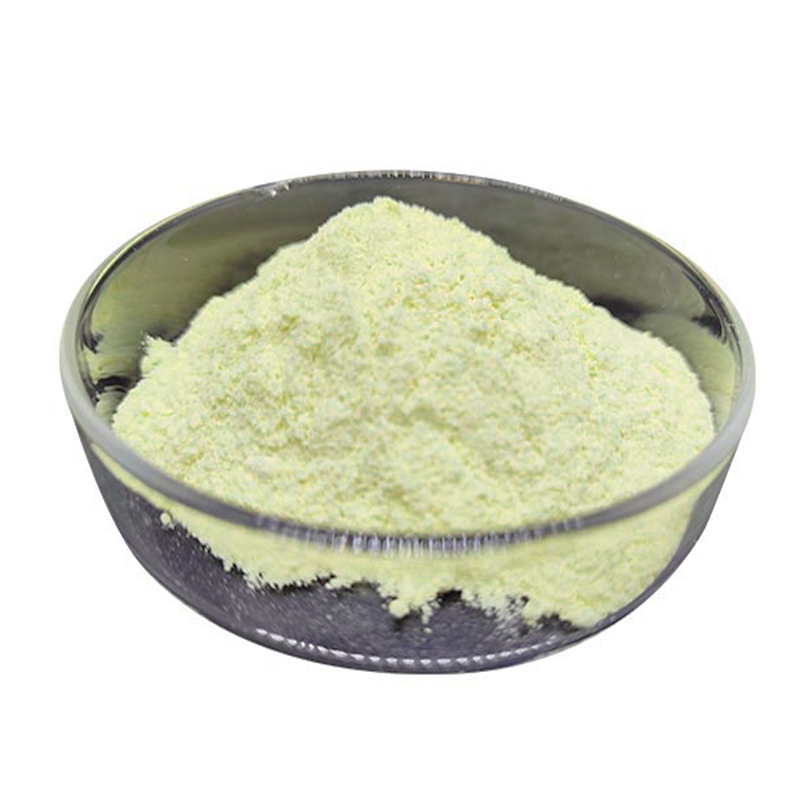

Harmaline is a fluorescent indole alkaloid from the group of harmala alkaloids and beta-carbolines. It is the partly hydrogenated form of harmine.
The harmala alkaloids are psychoactive in humans. Harmaline is shown to act as an acetylcholinesterase inhibitor. Harmaline also stimulates striatal dopamine release in rats at very high dose levels. Since harmaline is a reversible inhibitor of monoamine oxidase A, it could, in theory, induce both serotonin syndrome and hypertensive crises in combination with tyramine, serotonergics, catecholaminergics drugs or prodrugs. Harmaline-containing plants and tryptamine-containing plants are used in ayahuasca brews. The inhibitory effects on monoamine oxidase allows dimethyltryptamine (DMT), the psychoactively prominent chemical in the mixture, to bypass the extensive first-pass metabolism it undergoes upon ingestion, allowing a psychologically active quantity of the chemical to exist in the brain for a perceivable period of time. Harmaline forces the anabolic metabolism of serotonin into N-acetylserotonin (normelatonin), and then to melatonin, the body's principal sleep-regulating hormone and a powerful antioxidant.



 (All Rights Reserved) (All Rights Reserved)