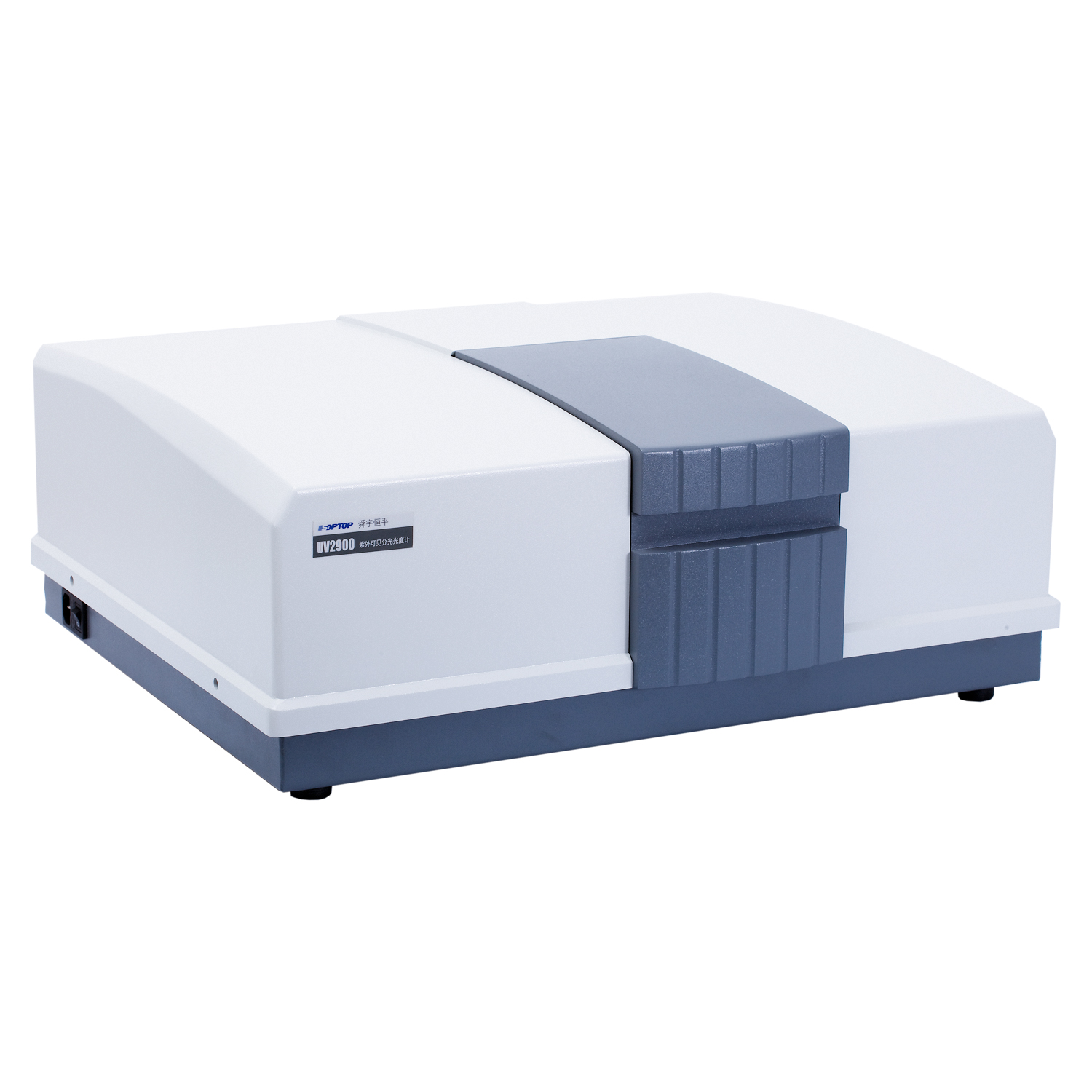
Product Description
Specification
Laser Wavelength | 1064nm |
Laser Output Power | ≤500mW |
Spectral Range | 200-2500cm-1 |
Spectral Resolution | <14cm-1@1262.339nm |
Connectivity | Bluetooth and Wifi |
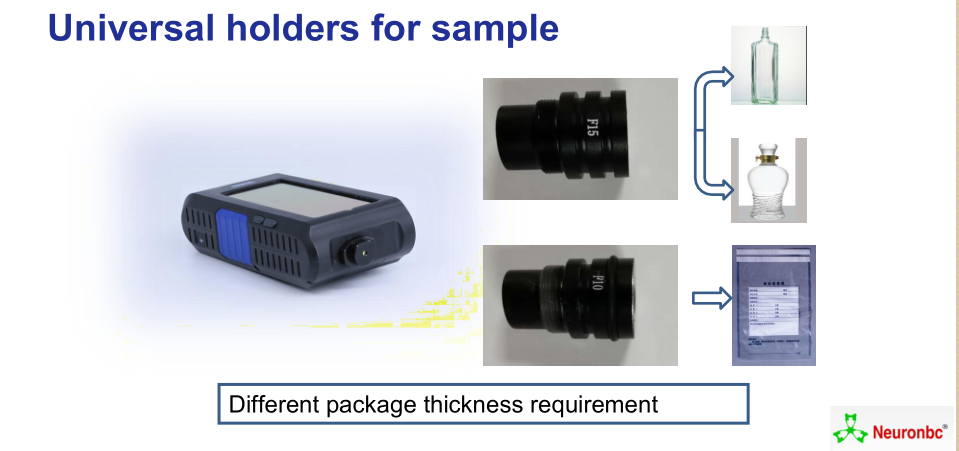
Collection | Optics 10mm and 15mm focus lens |
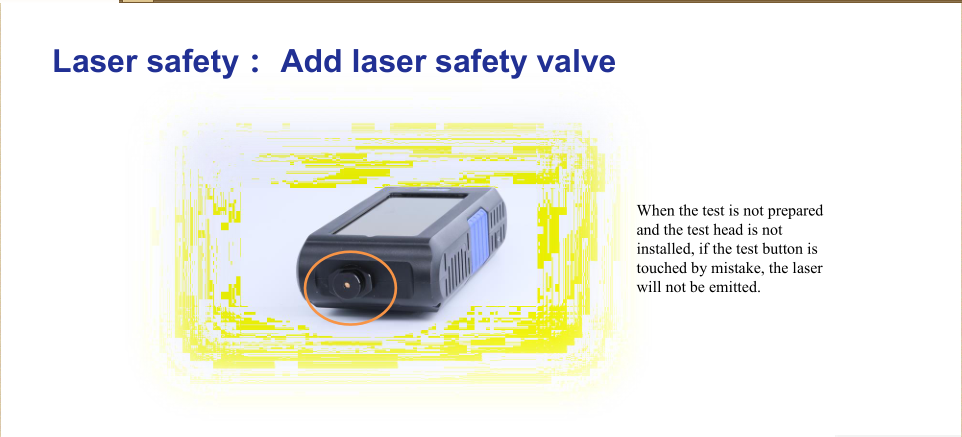
Laser Class | Class 3B |
Weight | 1.2Kg |
Size | 19.8*9.9*5.2cm |
AI Product Description
*The following content is generated by AI and is for reference only.
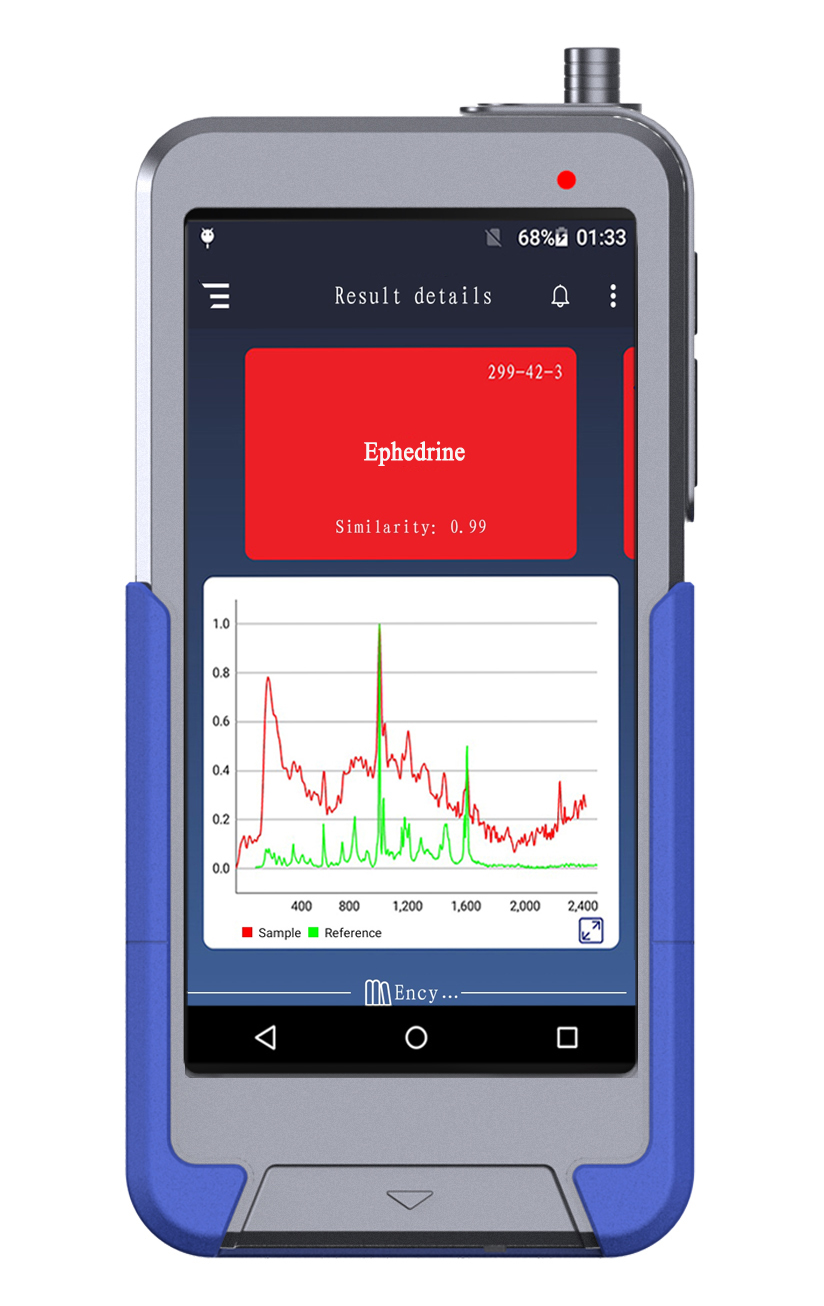
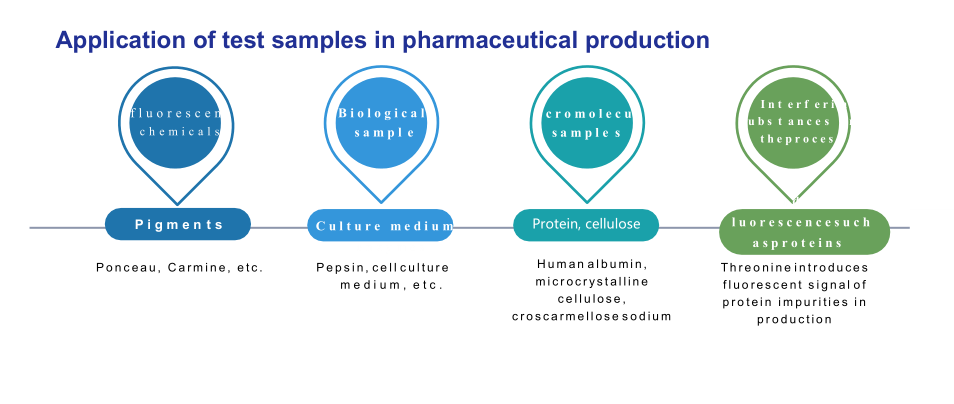
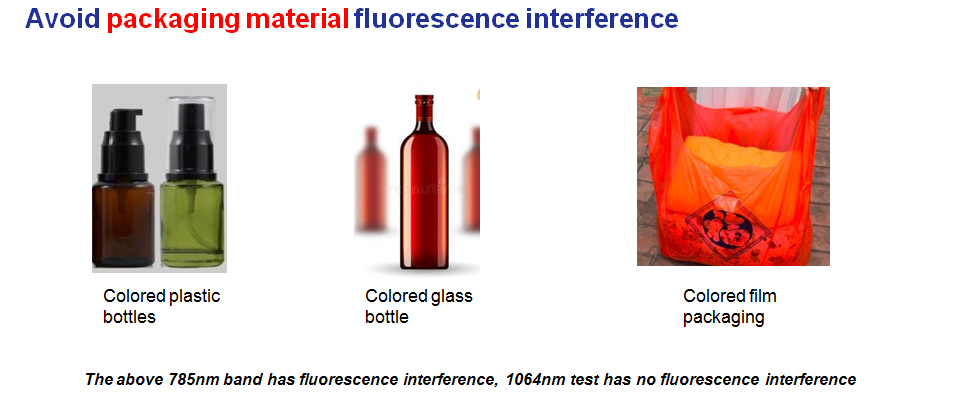
Portable Raman spectrometers operating at a 1064 nm wavelength represent a critical advancement in non-destructive chemical analysis, particularly for applications requiring deep penetration and minimal fluorescence interference. These handheld devices are designed to identify unknown substances instantly by analyzing their unique molecular vibrational fingerprints without the need for sample preparation or contact. The choice of a 1064 nm laser source is strategic; it effectively reduces background fluorescence often seen with shorter wavelengths like 785 nm when analyzing complex organic materials such as pharmaceuticals, polymers, dyes, and biological tissues. This makes them indispensable tools for law enforcement identifying illicit drugs on-site, customs officers screening cargo for explosives or hazardous chemicals, and quality control teams verifying raw materials in industrial settings.
The primary advantage of these systems lies in their portability and speed. Operators can scan items from a safe distance through transparent packaging, ensuring safety while maintaining high accuracy. However, several precautions must be observed during operation. First, direct exposure of the laser beam to human eyes or skin must be strictly avoided, even though 1064 nm radiation is invisible, as it can cause severe retinal damage. Users should always wear appropriate laser safety goggles rated for this specific wavelength. Second, while the system is robust, extreme temperatures, humidity, or physical shock can affect calibration and performance; therefore, storage and transport cases provided by manufacturers should be utilized. Third, highly reflective surfaces may scatter the laser light unpredictably, potentially leading to inaccurate readings or equipment stress. Finally, regular maintenance and calibration against standard reference materials are essential to ensure data integrity over time. By adhering to these guidelines, professionals can leverage the power of near-infrared Raman spectroscopy for rapid, reliable, and safe material identification across diverse industries.





 (All Rights Reserved)