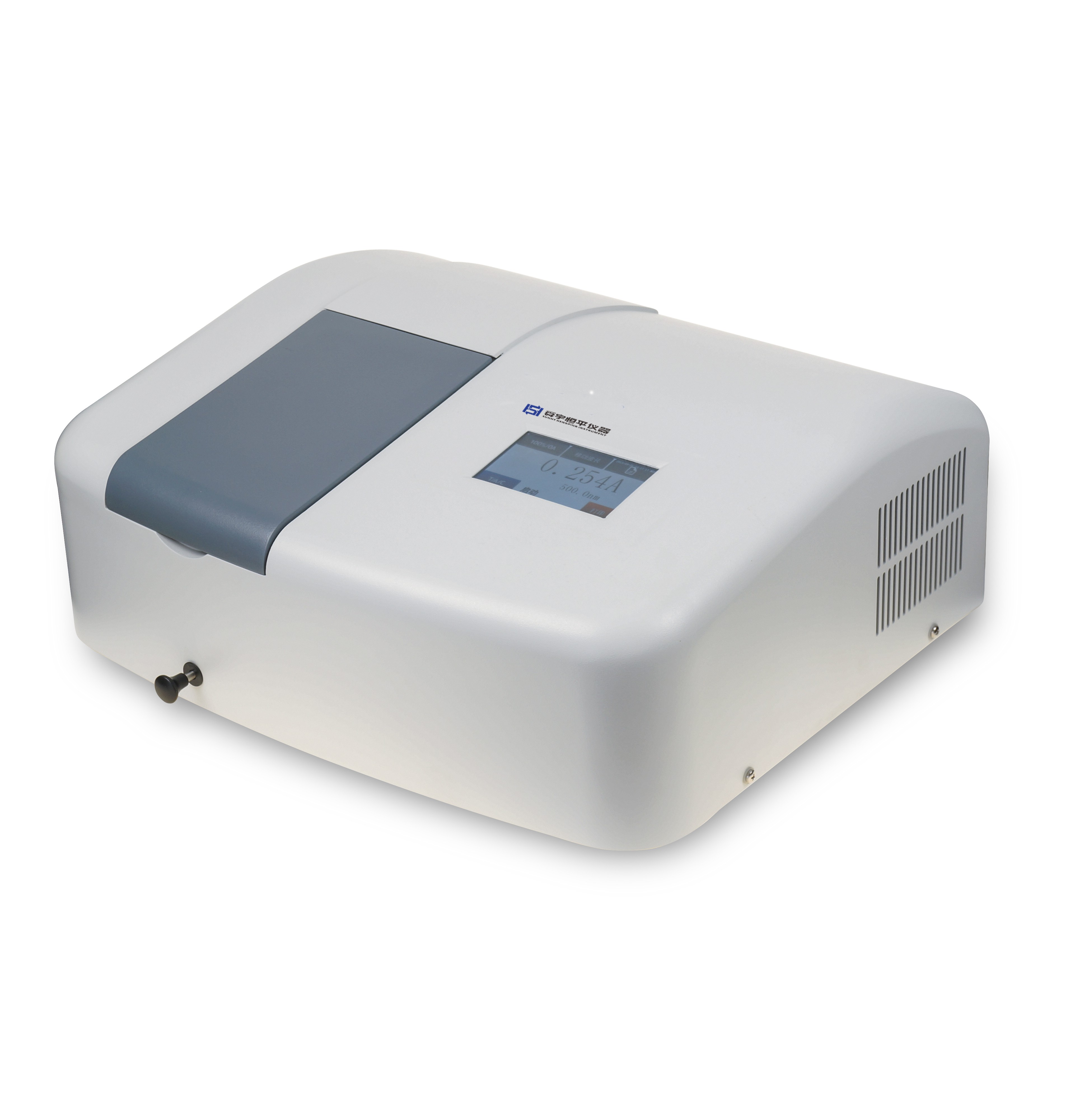
Product Description
Specification
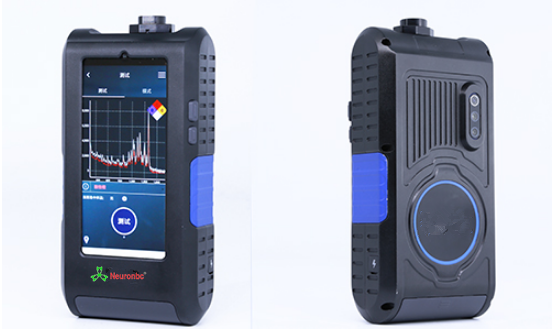
Laser Wavelength | 1064nm |
Laser Output Power | ≤500mW |
Spectral Range | 200-2500cm-1 |
Spectral Resolution | <14cm-1@1262.339nm |
Connectivity | Bluetooth and Wifi |
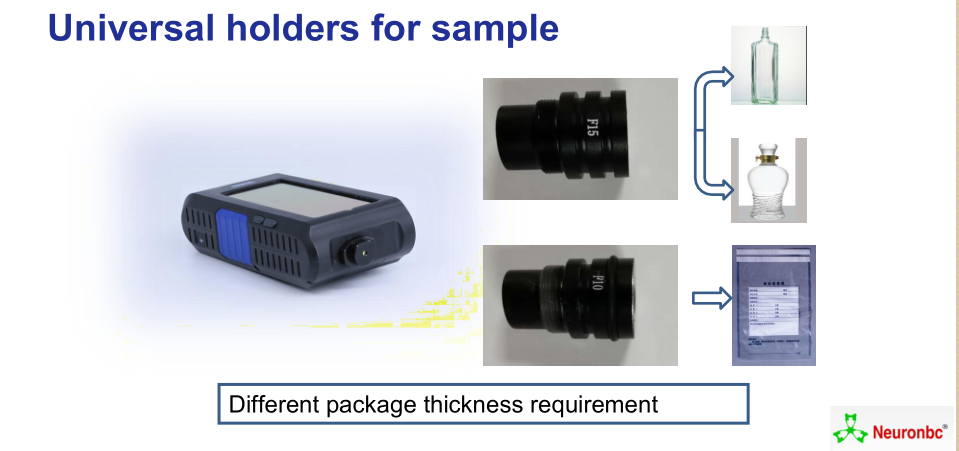
Collection | Optics 10mm and 15mm focus lens |
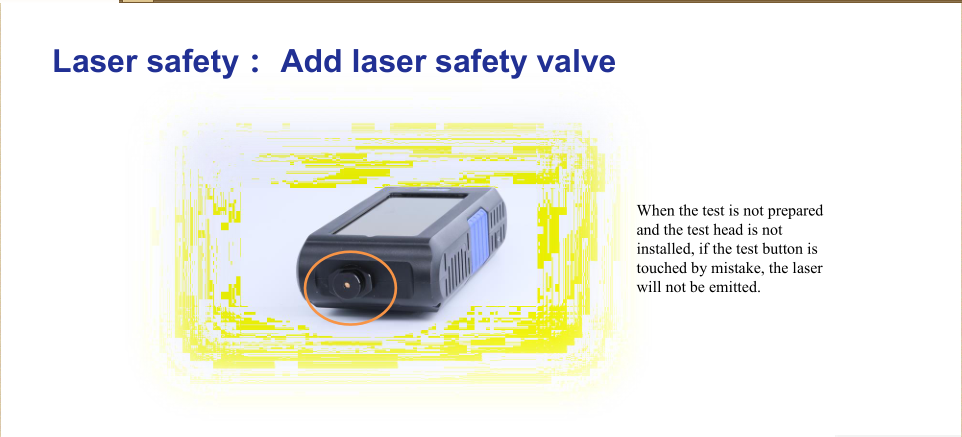
Laser Class | Class 3B |
Weight | 1.2Kg |
Size | 19.8*9.9*5.2cm |
AI Product Description
*The following content is generated by AI and is for reference only.
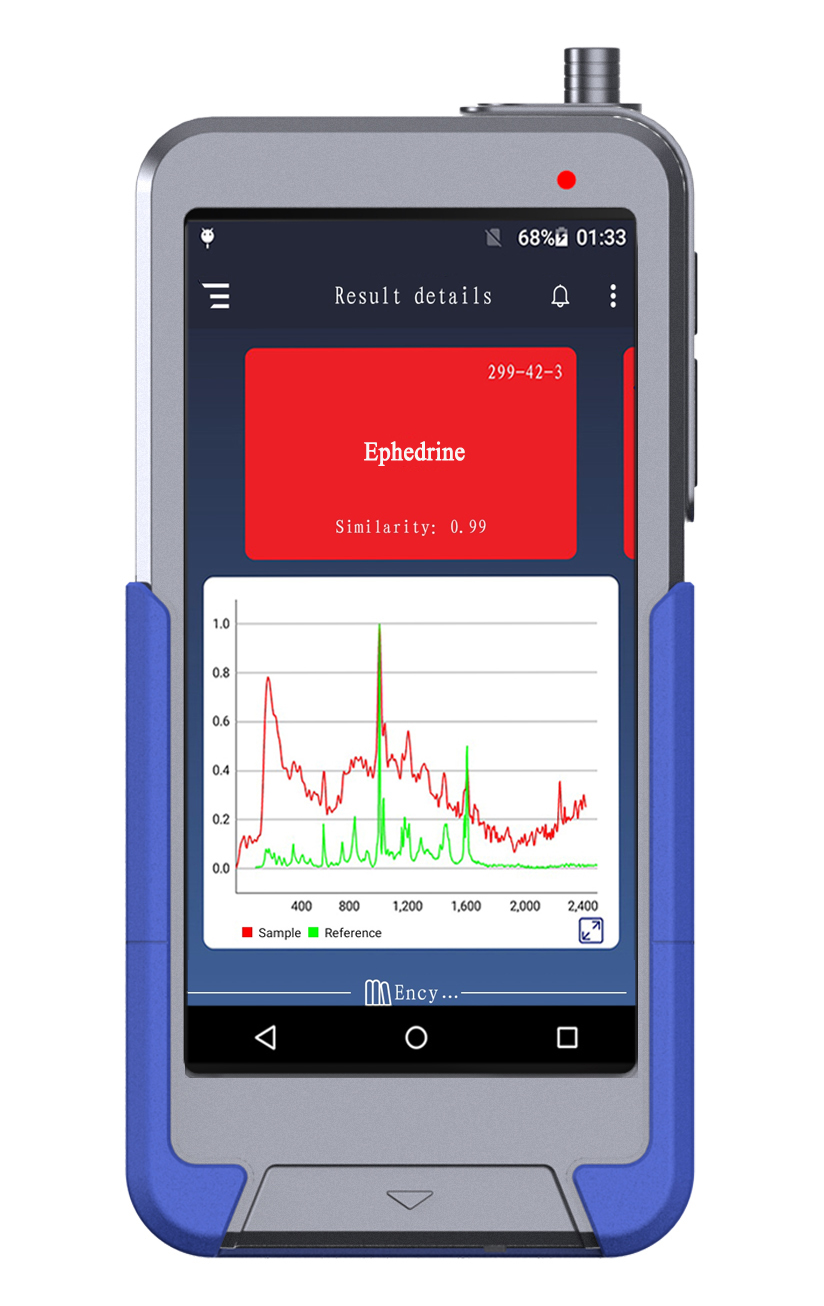
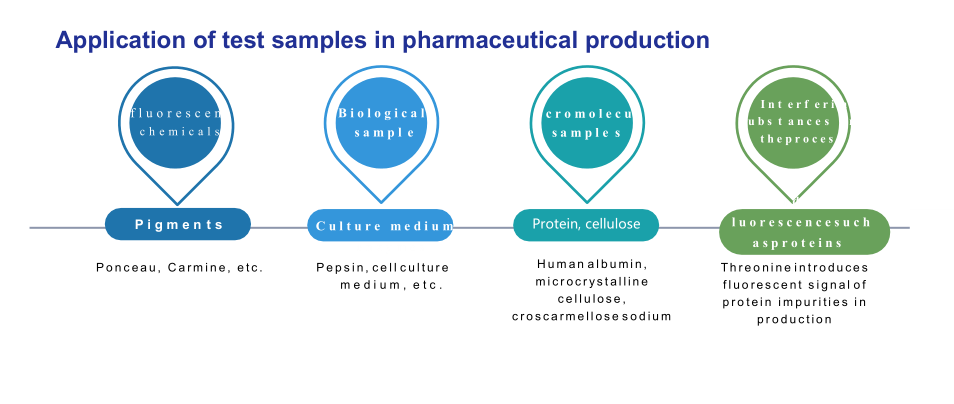
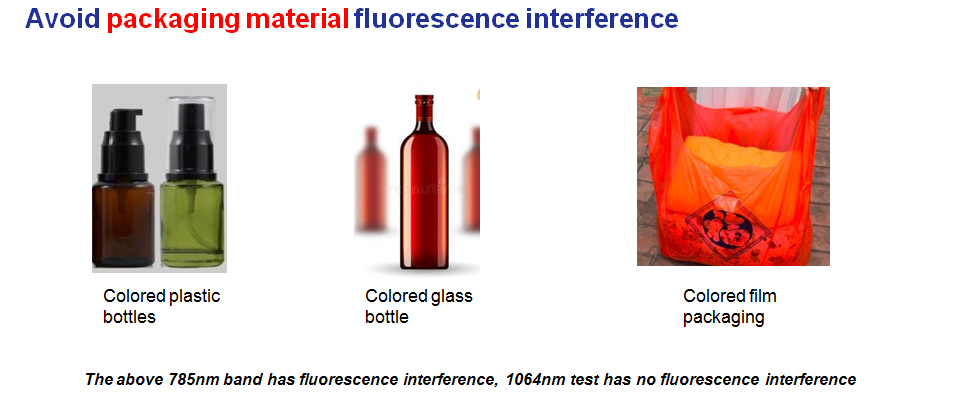
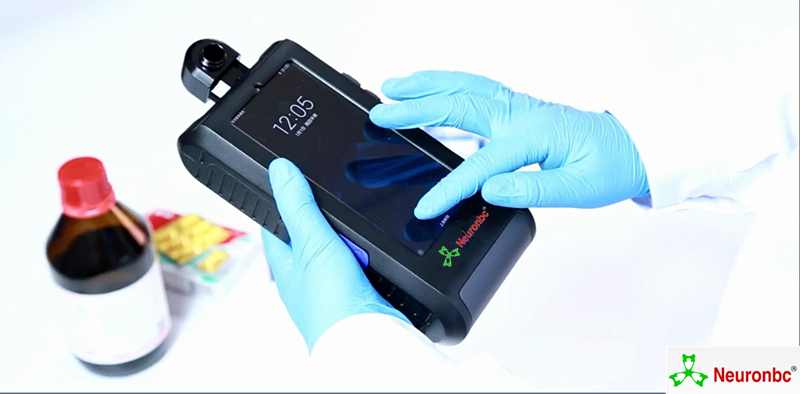
Handheld Raman spectrometers operating at a 1064 nm wavelength are advanced analytical instruments designed for rapid, non-destructive identification of materials in diverse environments. These devices utilize near-infrared laser excitation to interact with molecular vibrations within a sample, generating a unique spectral fingerprint that serves as a chemical signature. The primary advantage of the 1064 nm wavelength is its ability to minimize fluorescence interference, which often plagues analyses using visible light lasers. This makes them particularly effective for identifying complex organic compounds, explosives, narcotics, hazardous chemicals, and pharmaceuticals where background noise would otherwise obscure critical data.
The portability of these units allows field personnel, such as law enforcement officers, emergency responders, and industrial safety inspectors, to perform on-site analysis without needing to transport samples to a laboratory. This capability significantly accelerates decision-making processes during security screenings, environmental hazard assessments, or supply chain verification. The technology enables real-time results, ensuring immediate identification of unknown substances while maintaining sample integrity.
However, several precautions must be observed during operation. Although 1064 nm radiation is generally safer than shorter wavelengths regarding skin penetration, it remains invisible and potentially hazardous to the eyes; therefore, users should never look directly into the optical aperture or point the device at reflective surfaces. Proper personal protective equipment, including appropriate laser safety goggles rated for the specific wavelength, is mandatory. Additionally, while the system is robust, it requires careful handling to avoid dropping or exposing the sensitive optics to extreme temperatures, moisture, or direct sunlight, which could affect calibration and performance. Regular maintenance and calibration against known standards are essential to ensure measurement accuracy. Users must also be aware that certain transparent containers or thick glass may attenuate the signal, potentially requiring sample preparation or alternative positioning to obtain reliable spectra. Adhering to these operational guidelines ensures optimal performance and user safety in critical applications.





 (All Rights Reserved)