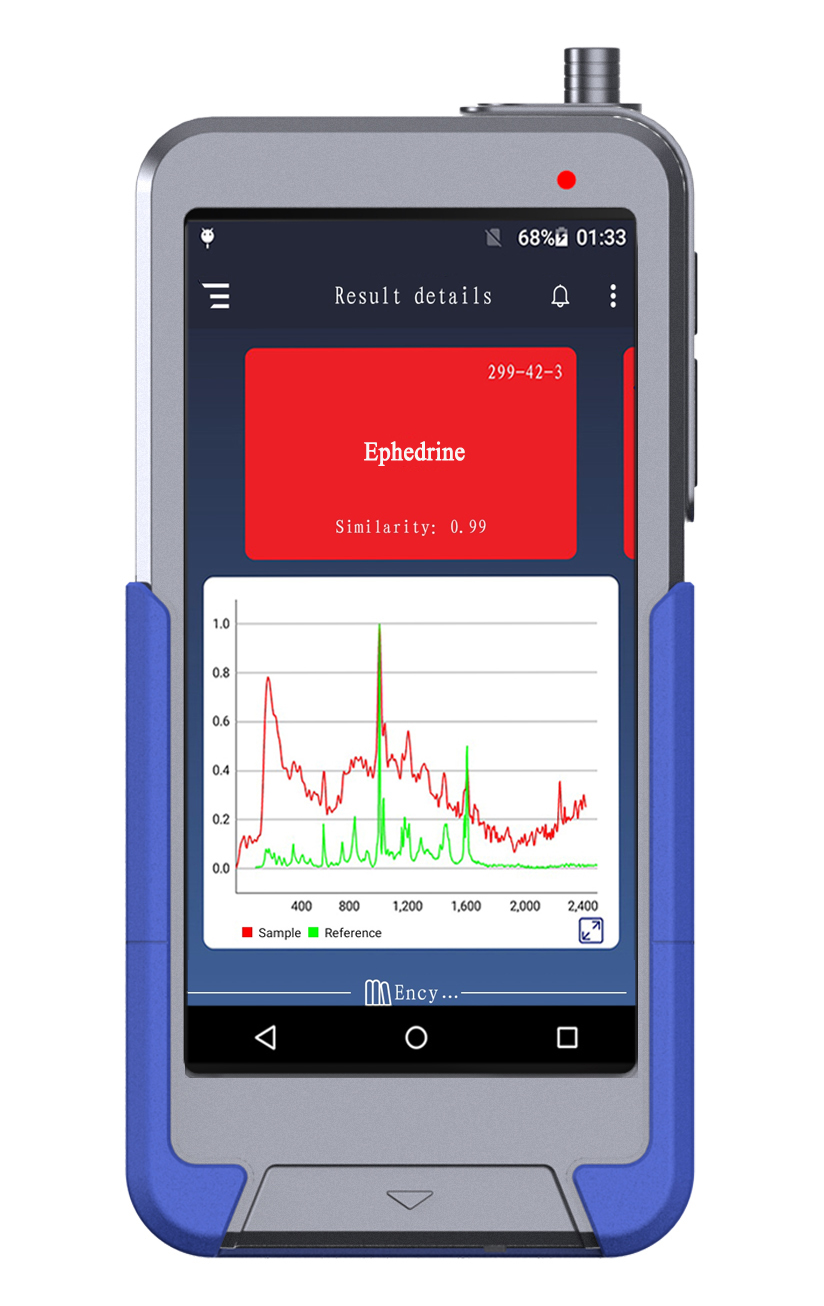
Product Description
Specification
Laser Wavelength | 1064nm |
Laser Output Power | ≤500mW |
Spectral Range | 200-2500cm-1 |
Spectral Resolution | <14cm-1@1262.339nm |
Connectivity | Bluetooth and Wifi |
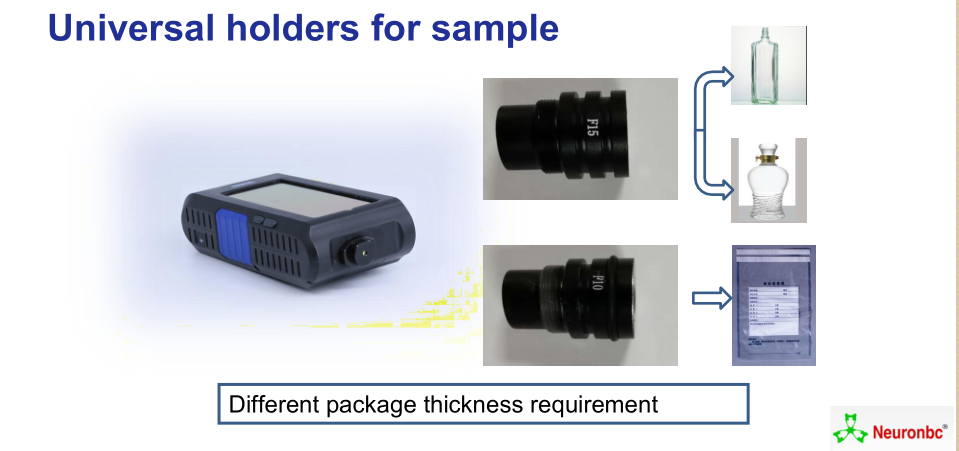
Collection | Optics 10mm and 15mm focus lens |
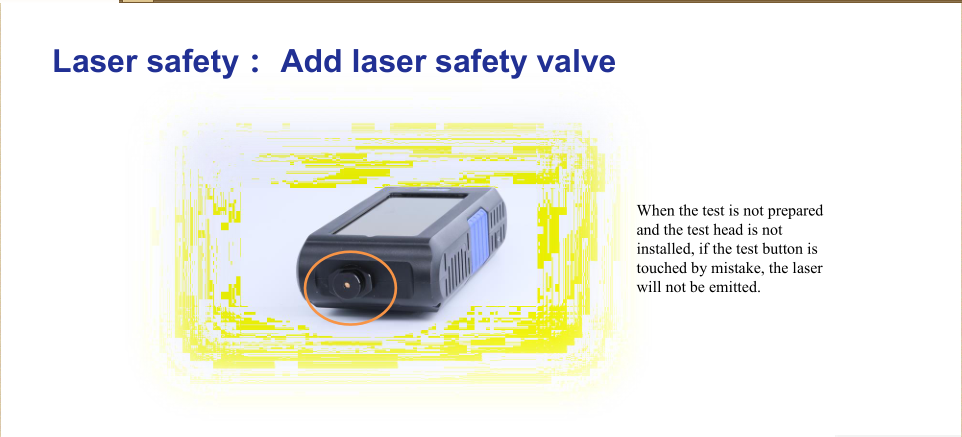
Laser Class | Class 3B |
Weight | 1.2Kg |
Size | 19.8*9.9*5.2cm |
AI Product Description
*The following content is generated by AI and is for reference only.
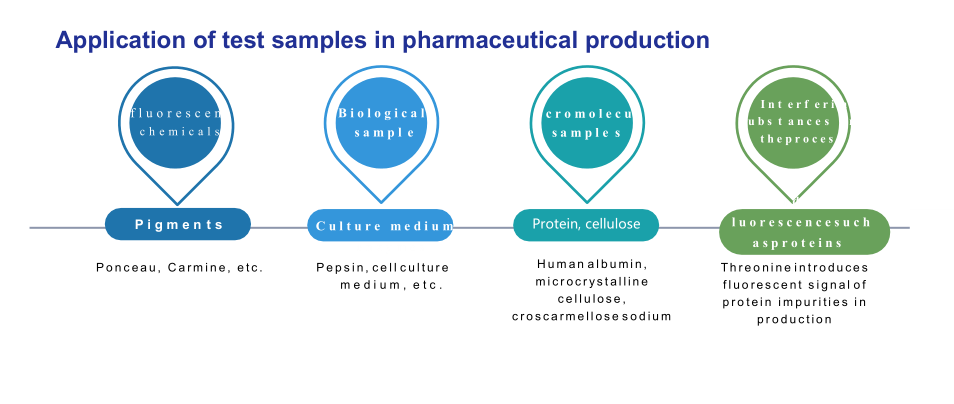
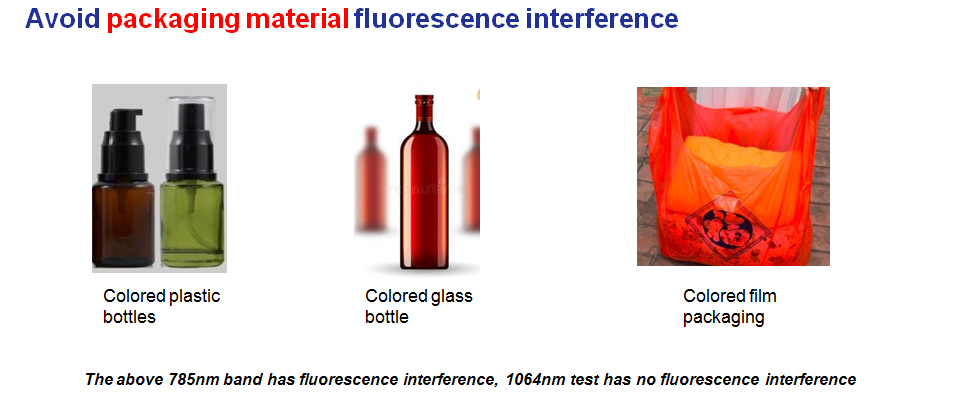
Handheld Raman spectrometers operating at a 1064 nm wavelength are advanced analytical instruments designed for rapid, non-destructive identification of chemical substances directly in the field. Unlike shorter wavelengths, the 1064 nm excitation source is specifically engineered to minimize fluorescence interference, making it exceptionally effective for analyzing colored samples, organic dyes, pharmaceuticals, and complex raw materials that would otherwise obscure results with background noise. These devices are widely utilized across industries such as mining, petrochemicals, security screening, and quality control within manufacturing plants. Their primary application involves verifying the identity of incoming raw materials against reference libraries without requiring sample preparation or laboratory transport, thereby significantly accelerating supply chain workflows and ensuring material compliance.
Operating these instruments requires adherence to specific safety and procedural guidelines to maintain accuracy and device longevity. First, users must avoid pointing the laser directly into human eyes or reflective surfaces, as even low-power lasers can cause retinal damage. Second, while the system handles most solid and liquid samples, highly volatile or corrosive substances should be handled with caution to prevent sensor contamination; sealed containers or specialized probes may be necessary for hazardous environments. Third, environmental factors such as extreme temperatures, high humidity, or strong ambient light can affect measurement stability, so calibration checks should be performed regularly under stable conditions. Additionally, maintaining an up-to-date spectral library is crucial, as the instrument relies on pattern matching algorithms to identify unknown compounds. Proper training ensures operators understand how to interpret confidence scores and recognize potential false positives caused by matrix effects. By following these protocols, professionals can leverage this technology for reliable, real-time decision-making in diverse operational settings, enhancing both efficiency and safety standards in material verification processes.





 (All Rights Reserved)