Product Description
Specification
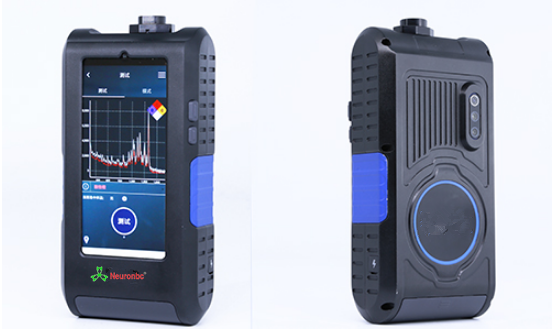
Laser Wavelength | 1064nm |
Laser Output Power | ≤500mW |
Spectral Range | 200-2500cm-1 |
Spectral Resolution | <14cm-1@1262.339nm |
Connectivity | Bluetooth and Wifi |
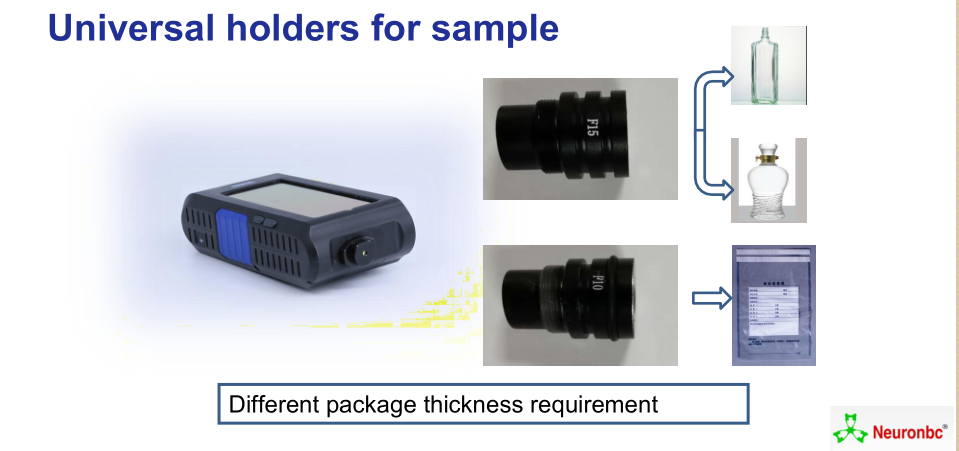
Collection | Optics 10mm and 15mm focus lens |
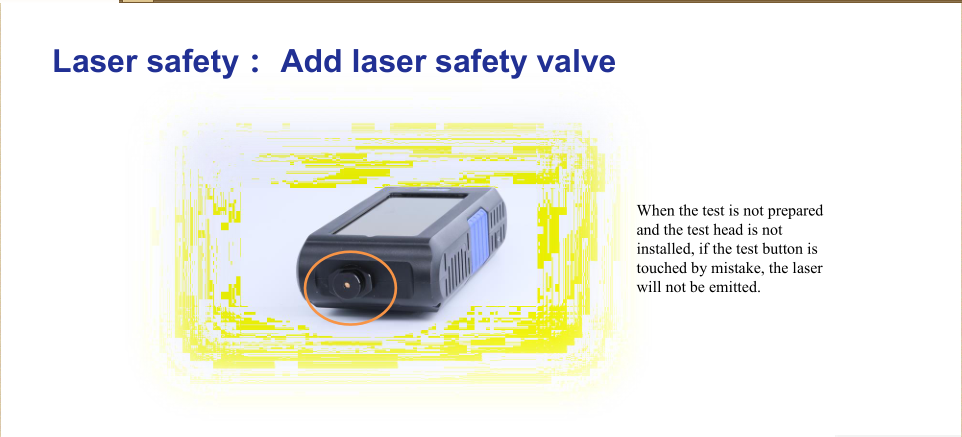
Laser Class | Class 3B |
Weight | 1.2Kg |
Size | 19.8*9.9*5.2cm |
AI Product Description
*The following content is generated by AI and is for reference only.
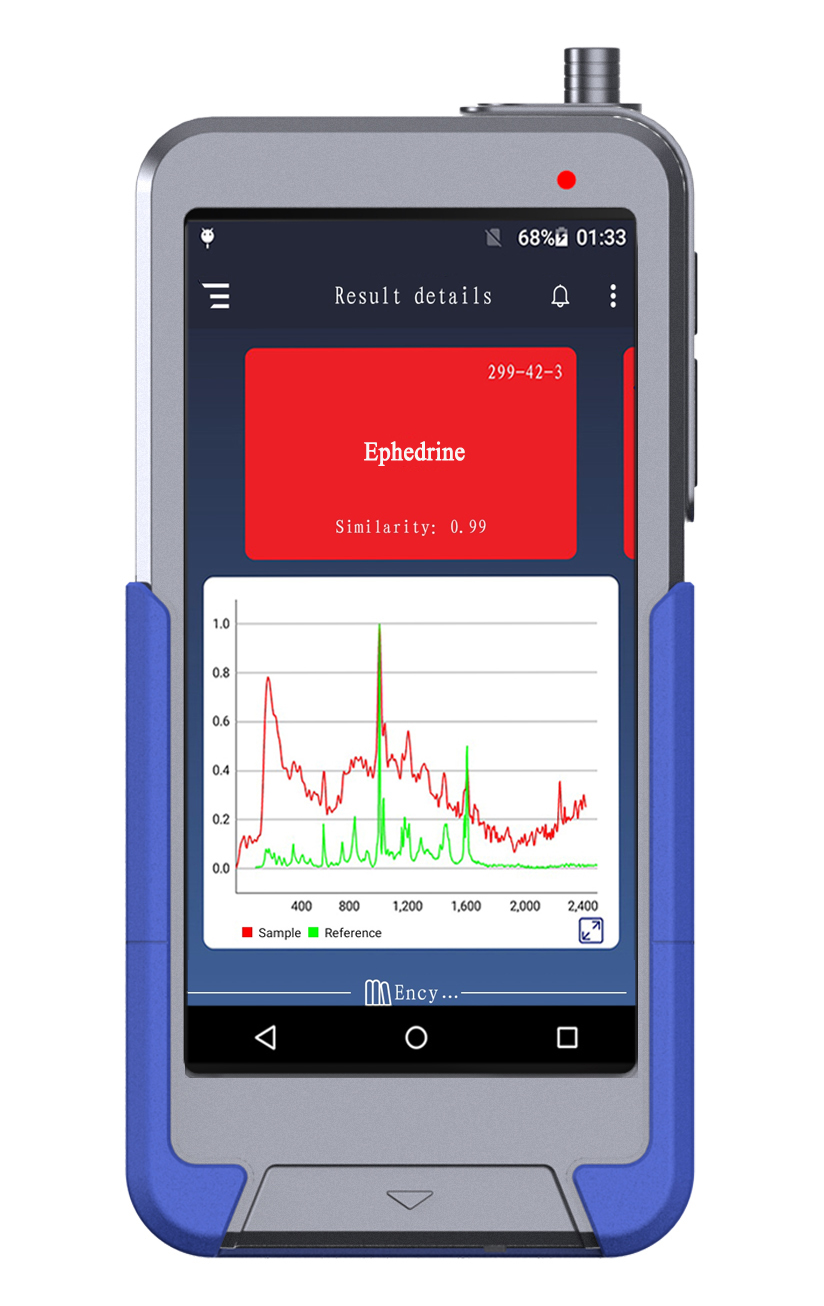
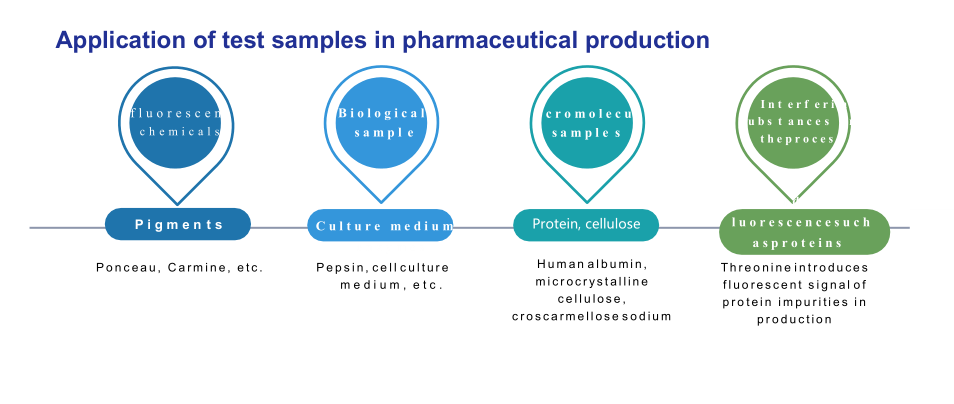
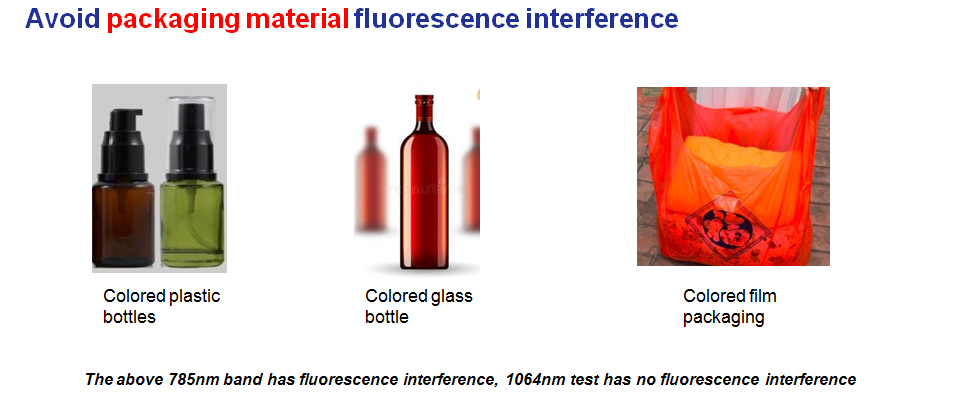
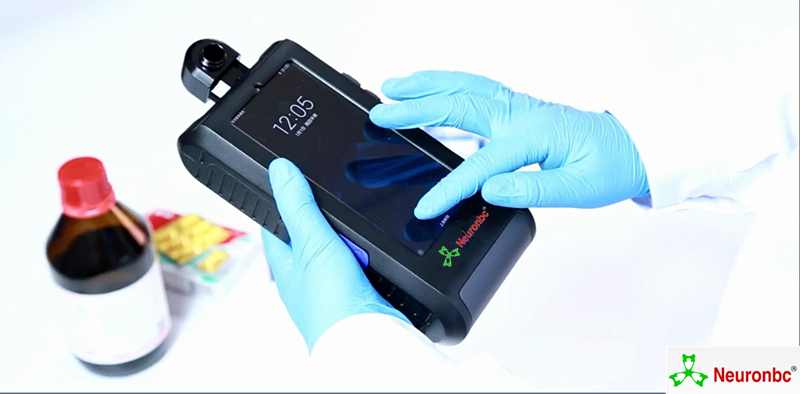
Handheld Raman spectrometers operating at a 1064 nm wavelength are advanced analytical instruments designed for rapid, non-destructive identification of solid and liquid materials. These devices leverage near-infrared laser excitation to minimize fluorescence interference, a common challenge when analyzing complex organic compounds such as pharmaceutical raw materials, polymers, and explosives. The primary application lies in quality assurance and supply chain verification, enabling users to confirm the identity of incoming ingredients against reference libraries without opening packaging or requiring sample preparation. This capability significantly accelerates the intake process in manufacturing facilities, reducing downtime and preventing the introduction of counterfeit or substandard materials into production lines.
Due to the penetrating power of the 1064 nm laser, these instruments can often analyze samples through transparent containers like glass vials or plastic bags, further enhancing operational efficiency and safety. However, several critical precautions must be observed during operation. First, while the laser is generally safe for skin exposure under normal conditions, direct eye contact with the beam must be strictly avoided to prevent potential retinal damage. Operators should never look directly into the aperture. Second, although the technology is robust, extreme environmental conditions such as high humidity, excessive vibration, or temperatures outside the specified operating range can affect measurement accuracy and instrument longevity. Regular calibration using certified reference standards is essential to maintain data integrity. Additionally, users must ensure that the spectral library contains accurate reference spectra for the specific substances being tested, as misidentification can occur if the database is incomplete or outdated. Finally, while the device handles most solids well, highly reflective or strongly absorbing materials may require specific handling techniques or alternative analysis methods. Adhering to these guidelines ensures reliable results and extends the service life of this vital tool for industrial and laboratory environments.





 (All Rights Reserved)