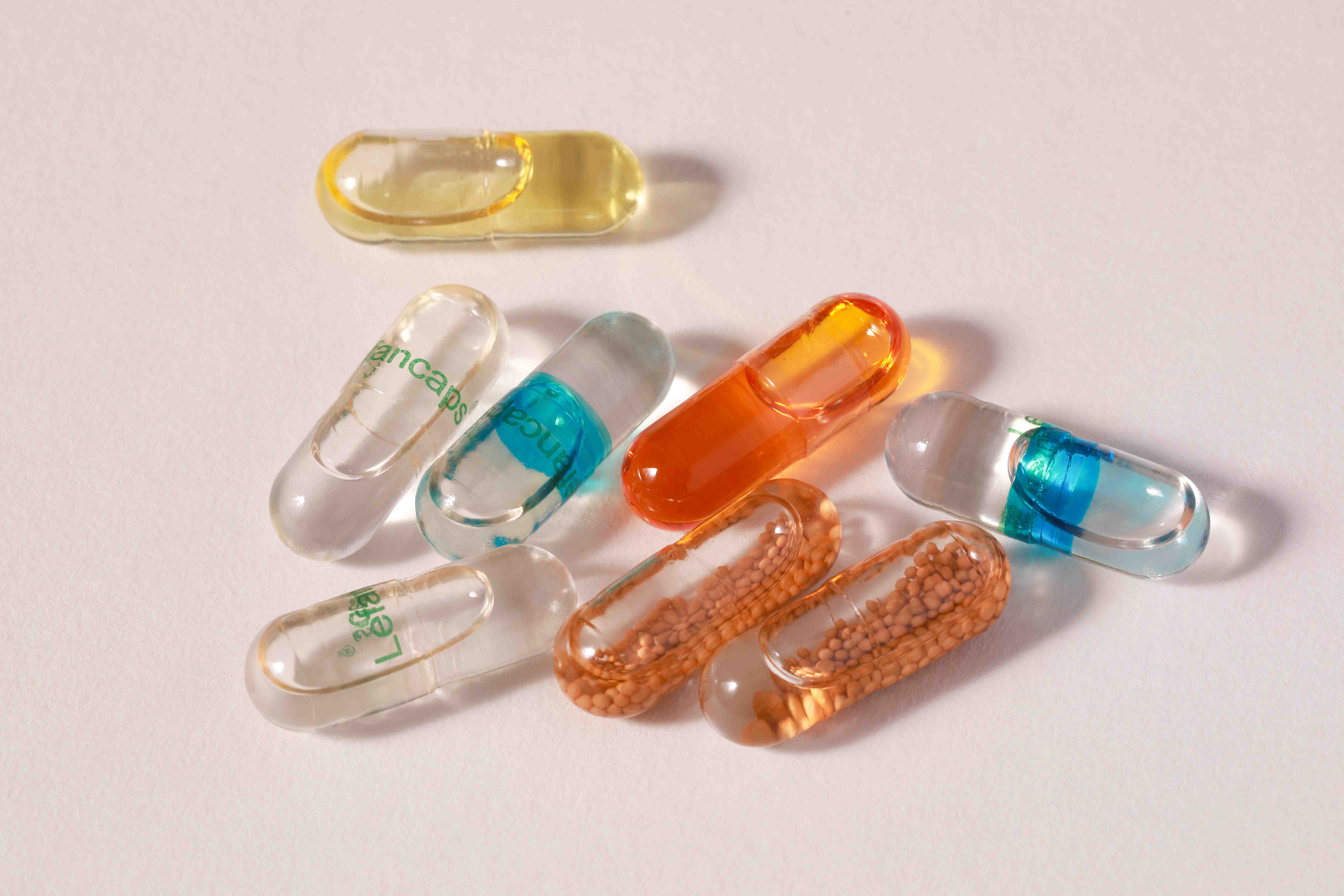


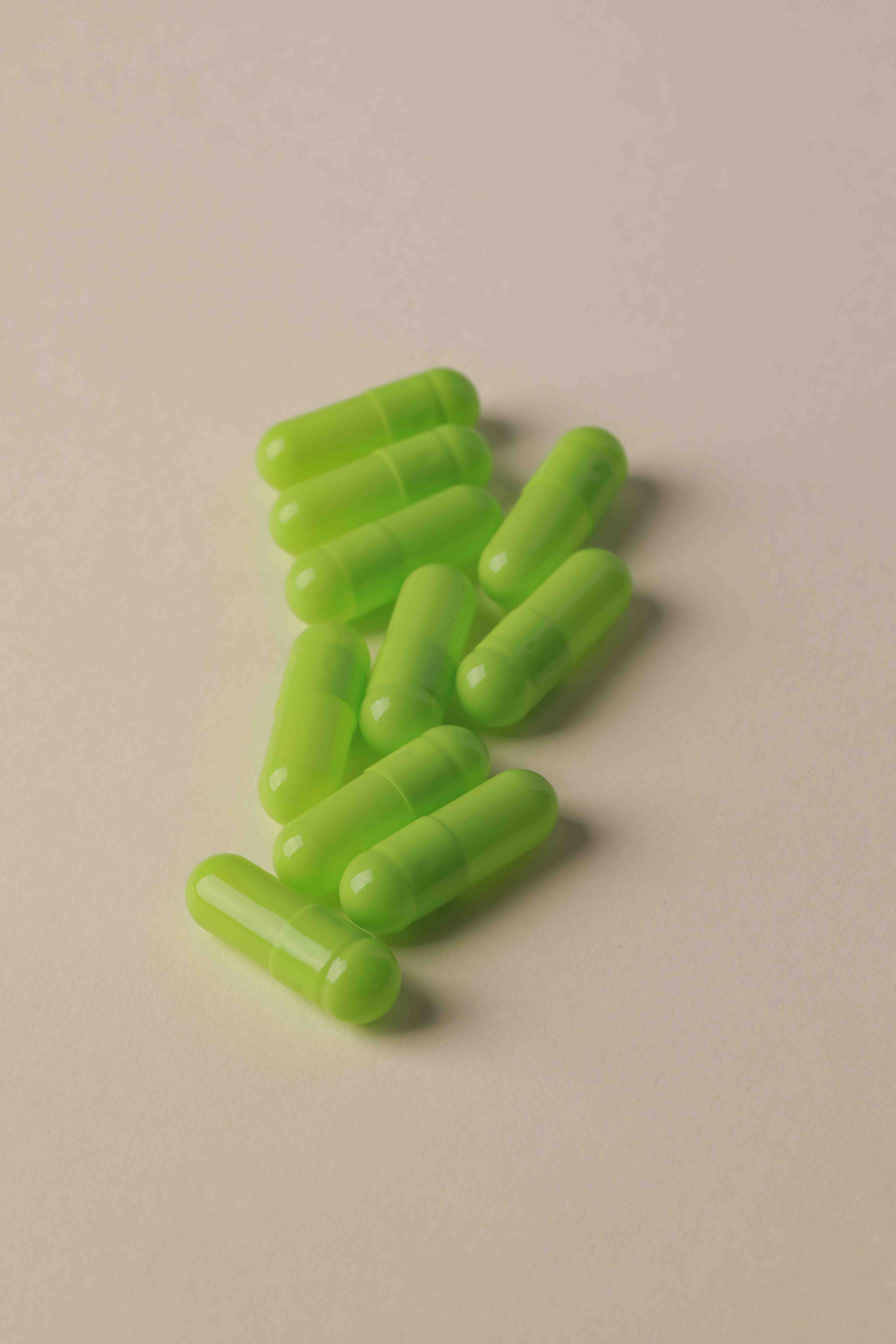
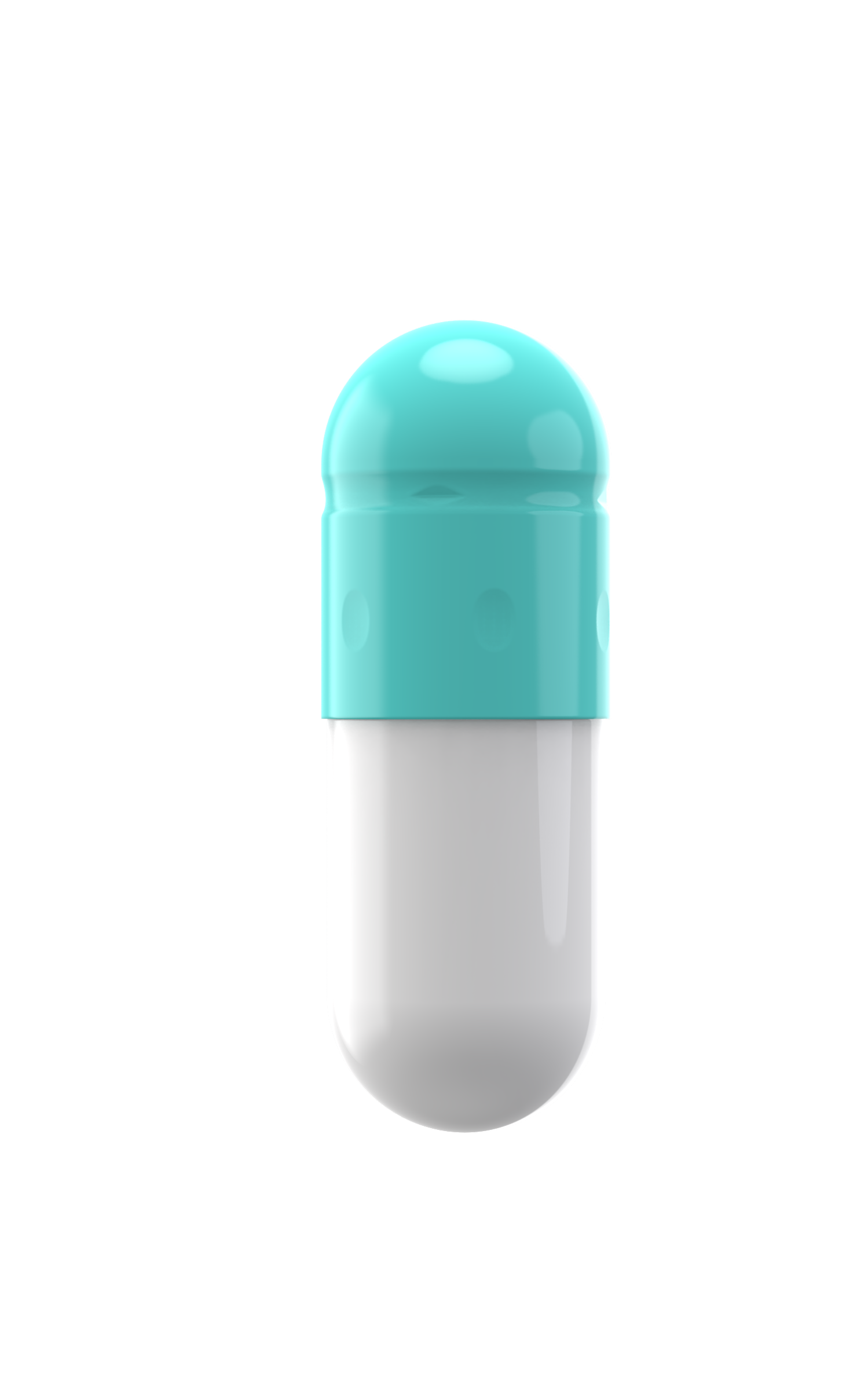
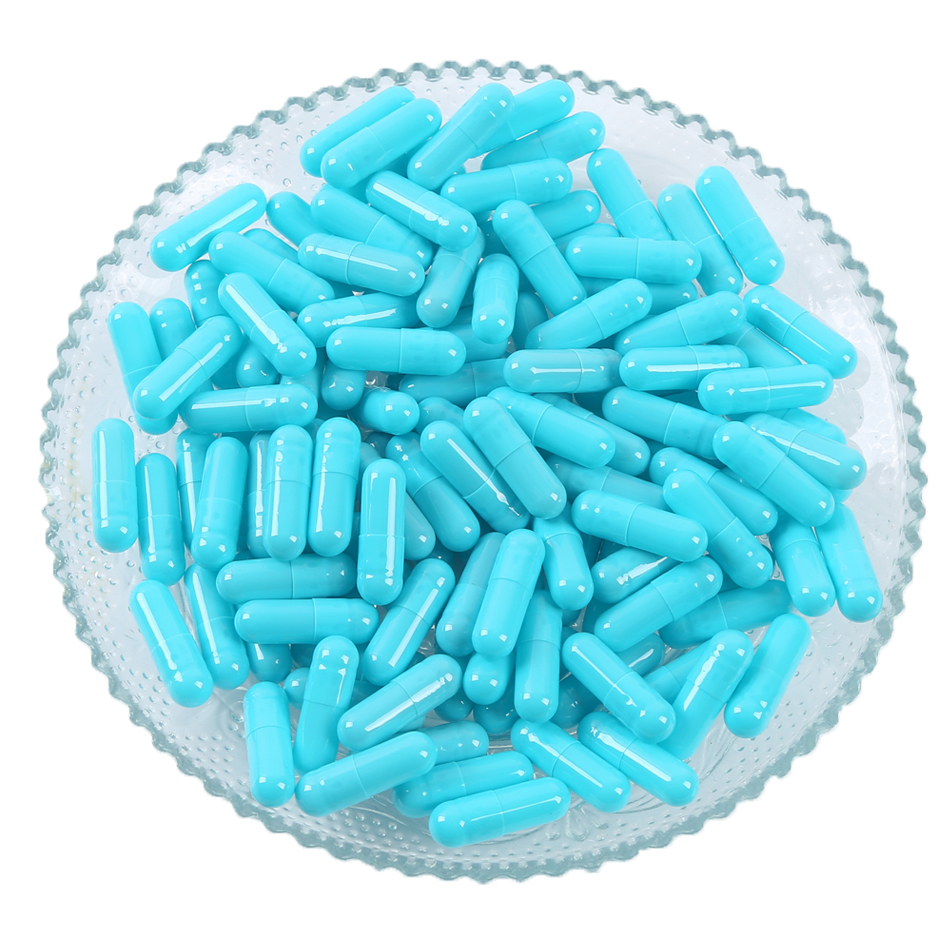
-Meet the disintegration requirements of European, American and Japanese pharmacopoeia for sustained-release capsules
-Use of pharmaceutical grade cellulose derivatives
-Simple enteral administration
*The following content is generated by AI and is for reference only.
H-caps®-Enteric is a specialized pharmaceutical excipient widely recognized for its role in the development of enteric-coated dosage forms. While often marketed under specific trade names by manufacturers like Colorcon or similar entities, it generally refers to a film-forming polymer system designed to protect active pharmaceutical ingredients (APIs) from the harsh acidic environment of the stomach. The core material typically consists of methacrylic acid copolymers, specifically resembling Eudragit L or S types, which are insoluble at low pH but dissolve rapidly in higher pH environments found in the small intestine.
The molecular composition of these polymers involves repeating units of methyl methacrylate and methacrylic acid esters. Consequently, the exact molecular formula varies depending on the specific grade and the ratio of monomers used, often represented broadly as variations of (C₅H₈O₂)ₙ or (C₆H₁₀O₂)ₙ structures. Because H-caps®-Enteric represents a proprietary formulation rather than a single chemical entity, it does not possess a single universal CAS number. Instead, the constituent polymers have distinct CAS identifiers; for instance, methacrylic acid-methyl methacrylate copolymers are commonly associated with CAS numbers such as 9011-14-7 or 25086-89-5. Users must consult the specific Safety Data Sheet (SDS) provided by the supplier for the precise CAS number applicable to their batch.
The primary application of H-caps®-Enteric is to ensure targeted drug delivery. It prevents the degradation of acid-labile drugs, such as certain antibiotics, enzymes, or proton pump inhibitors, before they reach the intestinal tract. Furthermore, it minimizes gastric irritation caused by non-steroidal anti-inflammatory drugs (NSAIDs) or other irritating compounds. By delaying release until the capsule reaches the duodenum or jejunum, this technology enhances bioavailability and therapeutic efficacy. Its utility extends to solid oral dosage forms, including tablets and capsules, where controlled release profiles are critical. In addition to protecting APIs, enteric coatings can mask unpleasant tastes or odors, improving patient compliance. The product is manufactured under strict Good Manufacturing Practices (GMP) to ensure consistent film thickness, dissolution rates, and mechanical stability, making it an indispensable component in modern pharmaceutical formulation strategies aiming for precision medicine and improved patient outcomes.



 (All Rights Reserved)