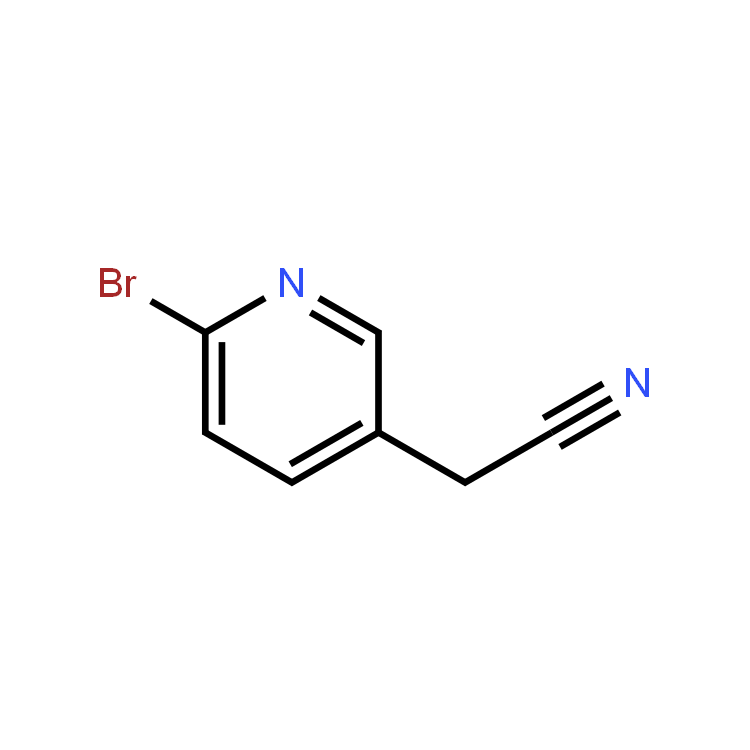
Product Description
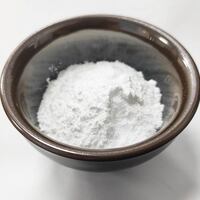
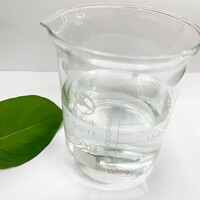
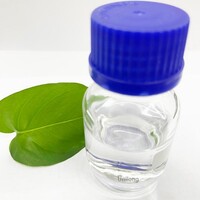
Glycolic acid CAS 79-14-1, also known as glycolic acid, glycolic acid, is also an important organic synthesis intermediate and chemical products, widely used in organic synthesis, cleaning, electroplating, textile, leather, sterilization and other industries. unilong is a professional glycolic acid manufacturer with fast delivery and in stock to support small sample testing.
AI Product Description
*The following content is generated by AI and is for reference only.
Glycolic acid, chemically known as hydroxyacetic acid, is the smallest alpha-hydroxy acid (AHA) found naturally in sugar cane. Its molecular formula is C2H4O3, and it carries the CAS number 79-14-1. Due to its exceptionally small molecular size, glycolic acid penetrates the skin more effectively than other AHAs, making it a cornerstone ingredient in modern dermatology and cosmetic formulations. In the skincare industry, it is widely celebrated for its exfoliating properties. By breaking down the bonds between dead skin cells, it promotes rapid cell turnover, revealing fresher, smoother, and more radiant skin underneath. Regular use helps reduce the appearance of fine lines, wrinkles, acne scars, and hyperpigmentation while improving overall skin texture and hydration levels. Beyond cosmetics, glycolic acid serves critical roles in various industrial applications. It is extensively used in the textile industry for dyeing and finishing cotton fabrics, enhancing their luster and softness. In the metalworking sector, it acts as an effective cleaner and degreaser for stainless steel and aluminum, removing oxides without damaging the base metal. Furthermore, it functions as a key intermediate in the production of biodegradable polymers, such as polyglycolic acid, which are utilized in medical sutures and drug delivery systems due to their biocompatibility. The compound also finds utility in water treatment processes and as a pH adjuster in chemical manufacturing. While highly beneficial, glycolic acid can cause sensitivity to sunlight, necessitating the use of sunscreen during treatment periods. Its versatility, efficacy, and relatively low cost have solidified its status as one of the most popular active ingredients in personal care and industrial chemistry globally. Whether aimed at rejuvenating aging skin or refining industrial surfaces, glycolic acid remains an indispensable chemical agent in diverse fields, offering powerful solutions through its unique chemical structure and reactivity.
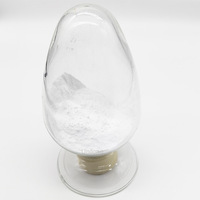
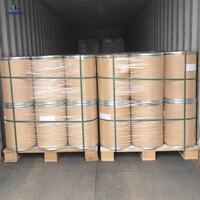



 (All Rights Reserved)
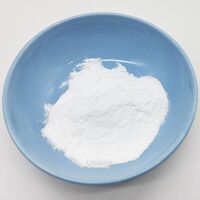
![8,16-Diazadispiro[6.1.6.2]heptadecan-17-one](https://eimg.pharmasources.com/image/product/20250403/ca91cba8b87e53fc879f8d8764873a40jpg)
![6,8-Dioxo-5,7-diazaspiro[3.4]octane-2-carboxylic acid](https://eimg.pharmasources.com/image/product/20250403/02effeb5a7639bc84ff1f3add3c0c64fjpg)
![8-Oxa-1,3-diazaspiro[4.5]decane-2,4-dione](https://eimg.pharmasources.com/image/product/20250403/60fa7223d5a34f24138486ceea0ffb15jpg)