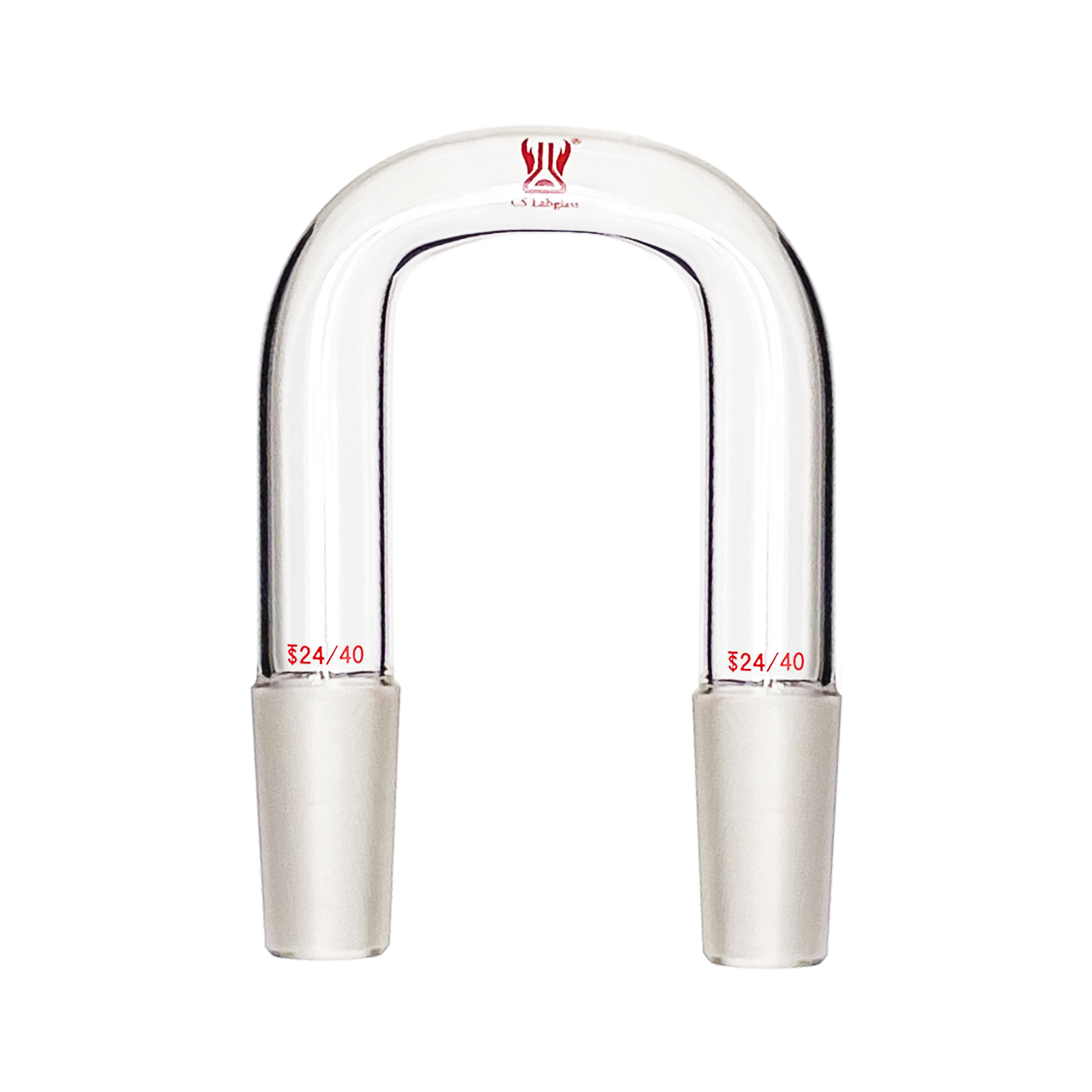
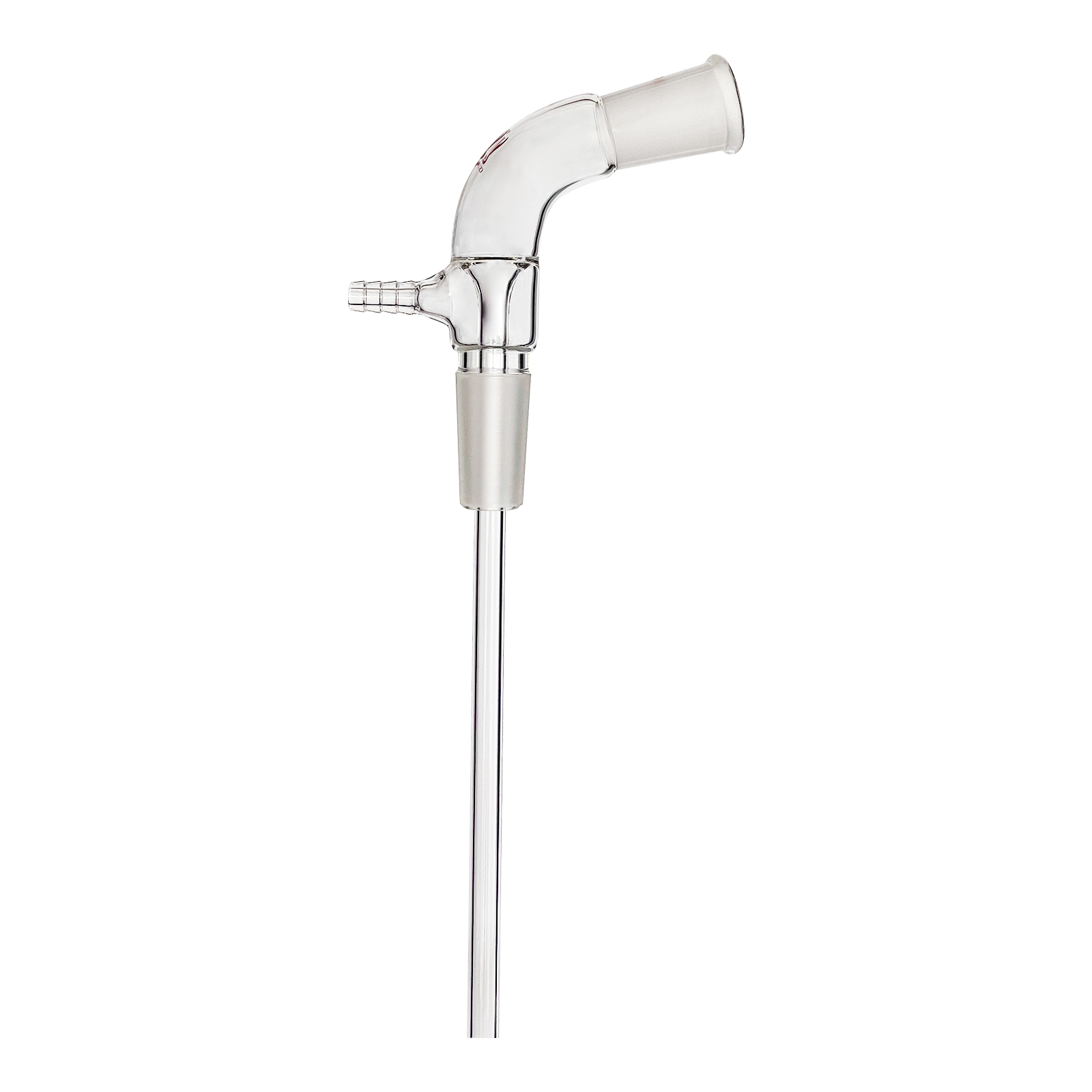
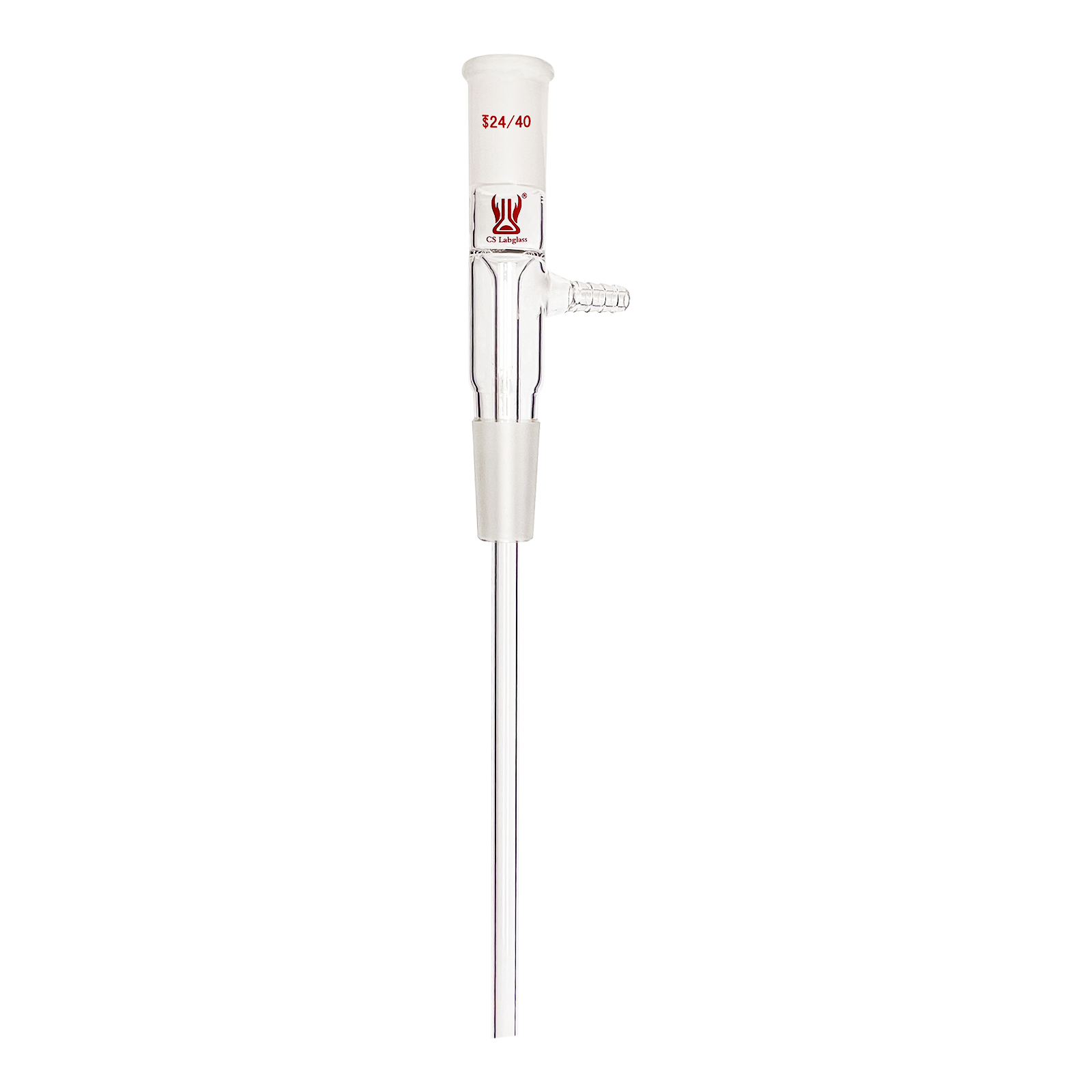
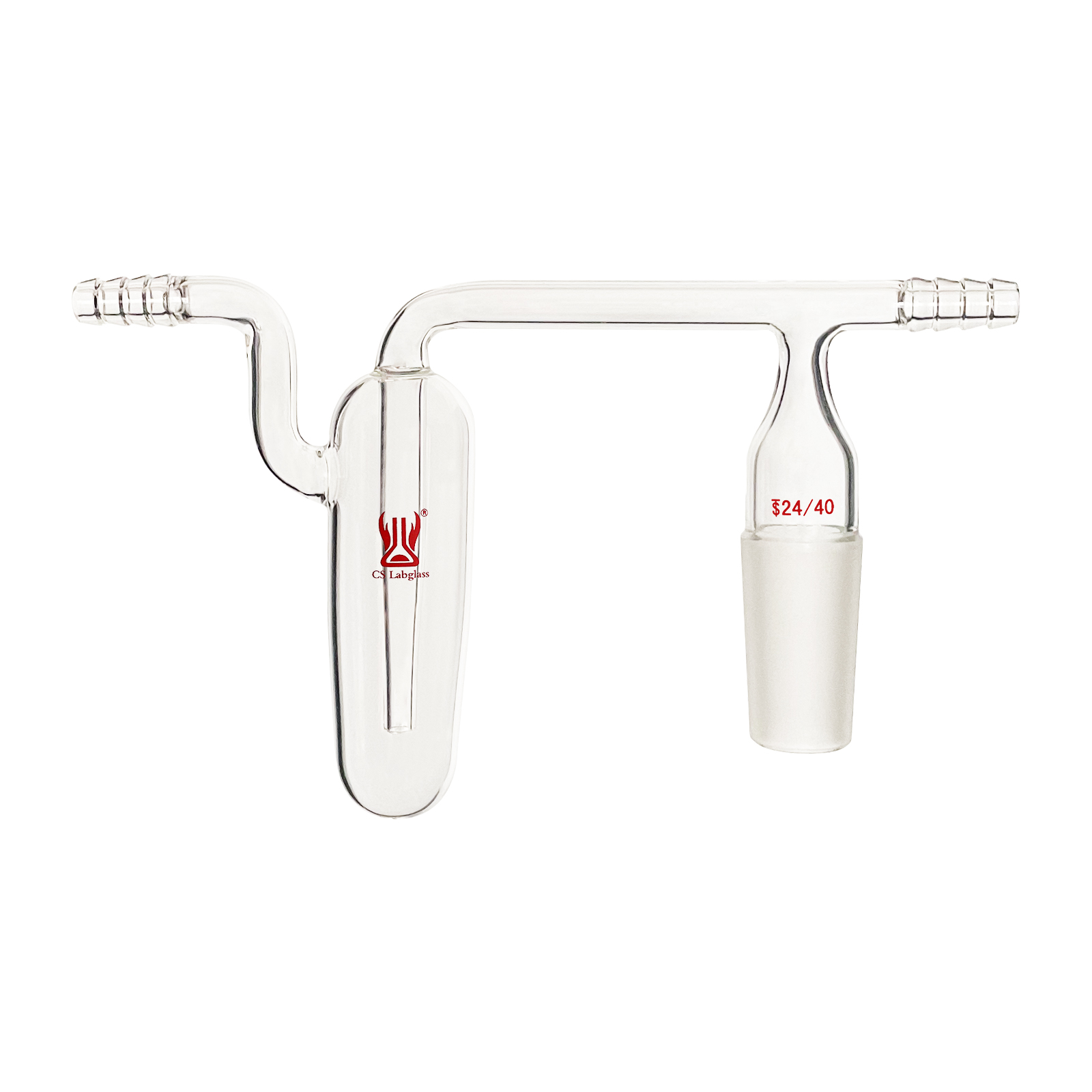
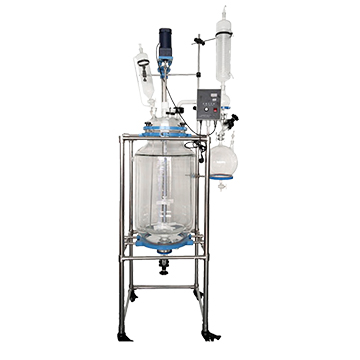
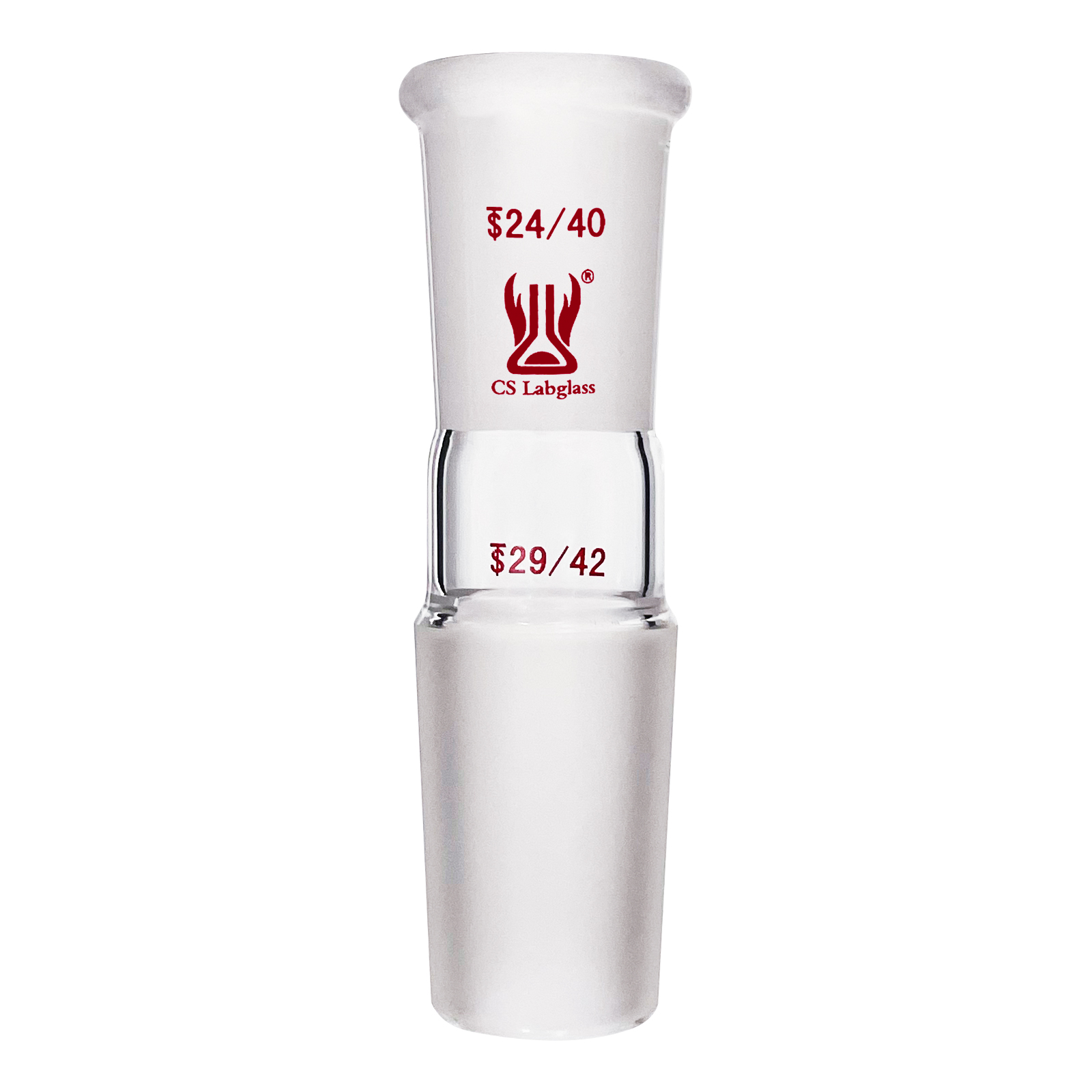
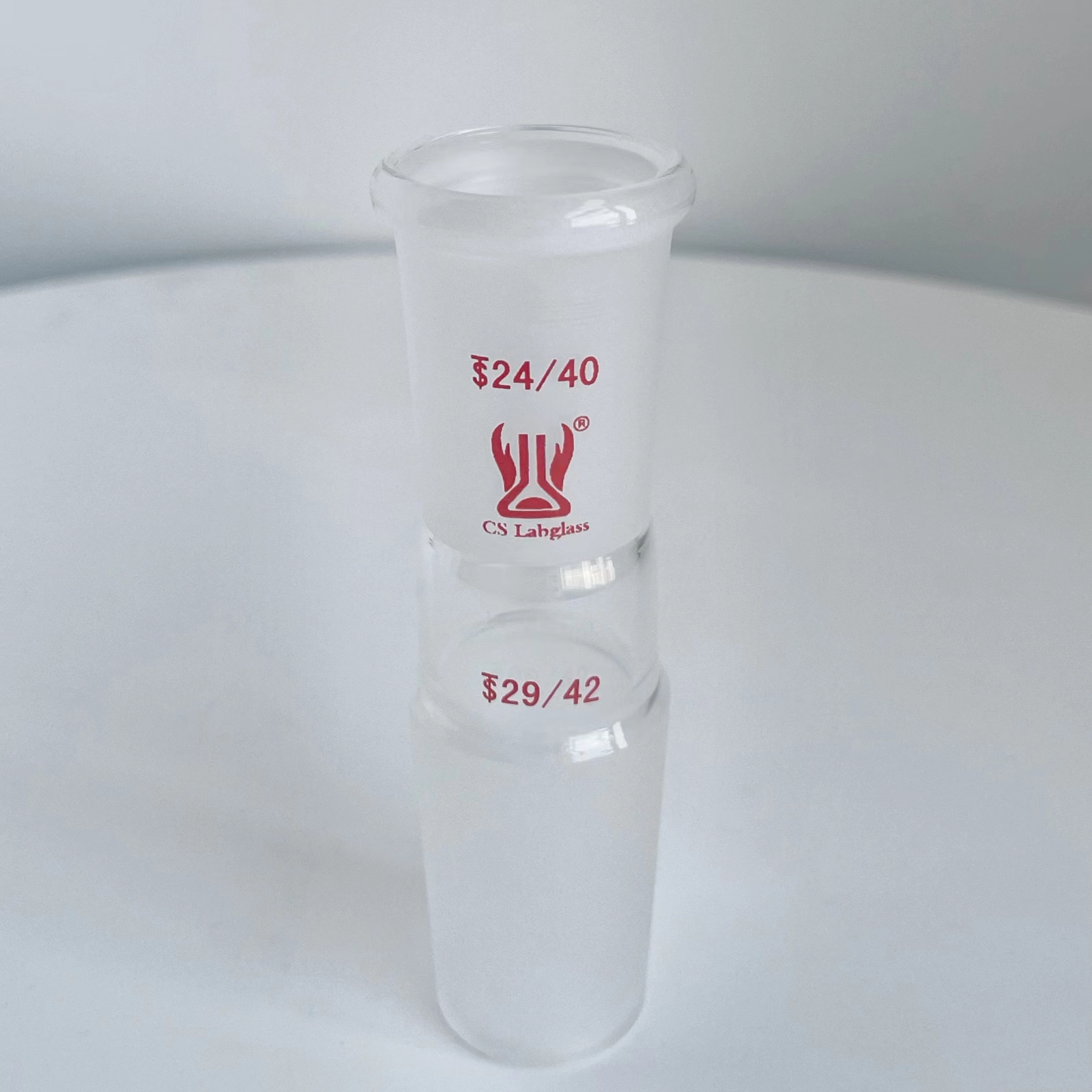
Top Joint: 10/30,14/20,19/22,24/40,29/42
14/23,19/26,24/29,29/32
Bottom Joint:14/20,19/22,24/40,29/42,34/45,45/50,55/50
Material: Borosilicate Glass
*The following content is generated by AI and is for reference only.
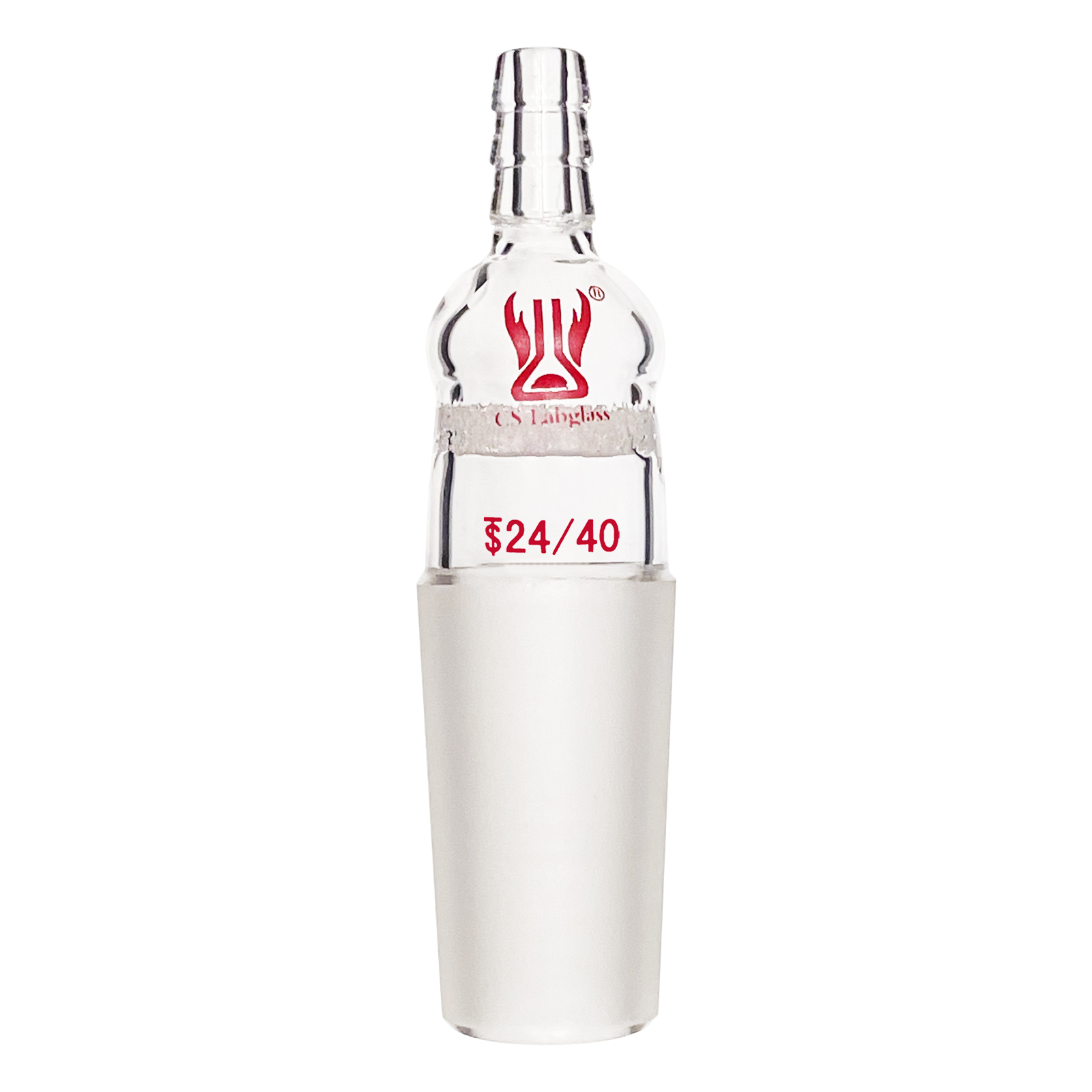
The Glass Straight Reducing Connecting Adapter is a critical component in laboratory and industrial fluid handling systems, designed to seamlessly join glassware of differing diameters. Its primary function is to facilitate the transition between tubing or joints with unequal sizes without compromising the integrity of the connection. Typically manufactured from high-quality borosilicate glass, this adapter ensures thermal stability and chemical resistance, making it ideal for applications involving corrosive reagents or elevated temperatures. The straight configuration allows for a direct, linear flow path, minimizing turbulence and pressure drop within the system.
When utilizing this equipment, several precautions must be observed to ensure safety and longevity. First, always inspect the adapter for microscopic cracks or chips before assembly, as glass is brittle and prone to fracture under stress. When connecting components of different sizes, apply a thin layer of vacuum grease or silicone lubricant to the ground glass joints to prevent seizing and ensure an airtight seal. Avoid applying excessive torque during tightening; gentle hand-tightening is usually sufficient. Never force mismatched parts together, as this can lead to catastrophic failure and potential injury from flying glass shards. Additionally, ensure that the temperature differential between connected pieces is minimal to prevent thermal shock.
Regular maintenance involves cleaning the adapter thoroughly after each use to remove residue that could interfere with future seals. Store the device in a protective case away from vibration sources. While these adapters are robust, they are not suitable for high-pressure applications beyond standard laboratory limits. Proper usage extends the lifespan of the apparatus and maintains the reliability of experimental data. By adhering to these guidelines, researchers and technicians can safely integrate various glassware components into complex setups, ensuring efficient and secure fluid transfer across diverse scientific and manufacturing processes.





 (All Rights Reserved)